Miniature Schnauzer Care Guide: Coat Care, Training, and Health Management
Comprehensive guide to Miniature Schnauzer care. Learn about caring for their distinctive beard and eyebrows, training methods that leverage their intelligence, and preventing genetic diseases they're prone to—all from a breeder's practical perspective.
Key Takeaways
Comprehensive guide to Miniature Schnauzer care. Learn about caring for their distinctive beard and eyebrows, training methods that leverage their intelligence, and preventing genetic diseases they're prone to—all from a breeder's practical perspective.
Related Species

Miniature Schnauzer is the most popular size among the three Schnauzer varieties originating from Germany. Their distinctive long beard and eyebrows, along with their compact build, make a striking impression and are beloved worldwide. With high intelligence and excellent trainability, this breed is loved by both first-time and experienced dog owners alike.
Basic Characteristics of Miniature Schnauzers
Miniature Schnauzer is a compact-sized breed. Their basic characteristics are as follows:
| Item | Characteristics |
|---|---|
| Weight | Approximately 5–8 kg |
| Height | Around 30–35 cm |
| Coat | Double coat (hard, wiry outer coat and soft undercoat) |
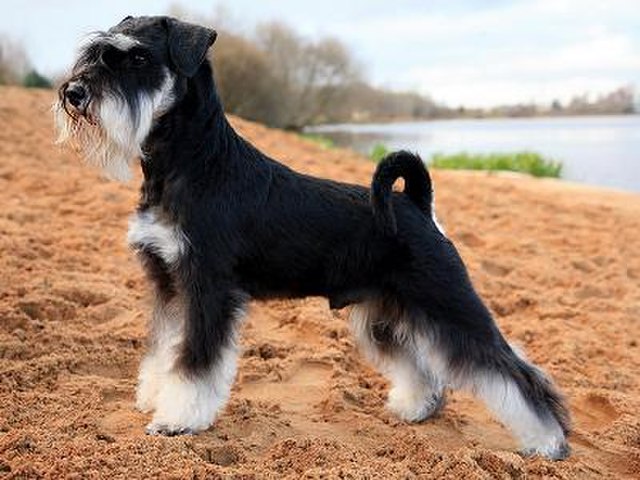
| Color | Salt and pepper, black, and black and silver are typical; rare white also occurs |
Their lifespan is relatively long, averaging 12–15 years. Personality-wise, they are lively, confident, and curious. Extremely loyal to their owners, they have a natural guarding instinct to protect the family. However, they also possess independence and can show stubbornness. With proper socialization, they get along well with children and other pets.
Schnauzers were originally working dogs, active as rat catchers and farm guardians. Because of this heritage, they tend to bark at strangers and small animals. Proper training and socialization are especially important for this breed.
Diet and Nutrition
Miniature Schnauzers are susceptible to high-fat diets and have a genetic predisposition to pancreatitis and hyperlipidemia (high triglycerides). Therefore, feeding a low-fat, easily digestible diet is essential.
Guidelines for adult dog diet are as follows:
| Item | Guidelines |
|---|---|
| Feeding frequency | Twice daily |
| Protein | 20–25% |
| Fat | Approximately 10–15% |
Avoid high-fat commercial treats such as chews, cheese, and fatty meat.
Of particular importance are foods that should never be given. The following foods are toxic to dogs and must be avoided:
- Onions
- Grapes and raisins
- Chocolate
- Foods containing xylitol
Additionally, to prevent calcium oxalate stones, which are common in Schnauzers, limit consumption of high-oxalate foods such as spinach.
Obesity further increases pancreatitis risk, making proper weight management extremely important. Make it a habit to measure weight once a month, and if the dog's weight deviates more than 10% from the ideal weight, adjust the food amount.
Coat Care and Grooming
Miniature Schnauzer coat care requires a bit more attention than other breeds, but in return offers rewarding grooming opportunities. Maintaining the distinctive Schnauzer cut style requires regular professional grooming. Key care items and recommended frequency are as follows:
| Care Item | Recommended Frequency |
|---|---|
| Brushing | 2–3 times per week |
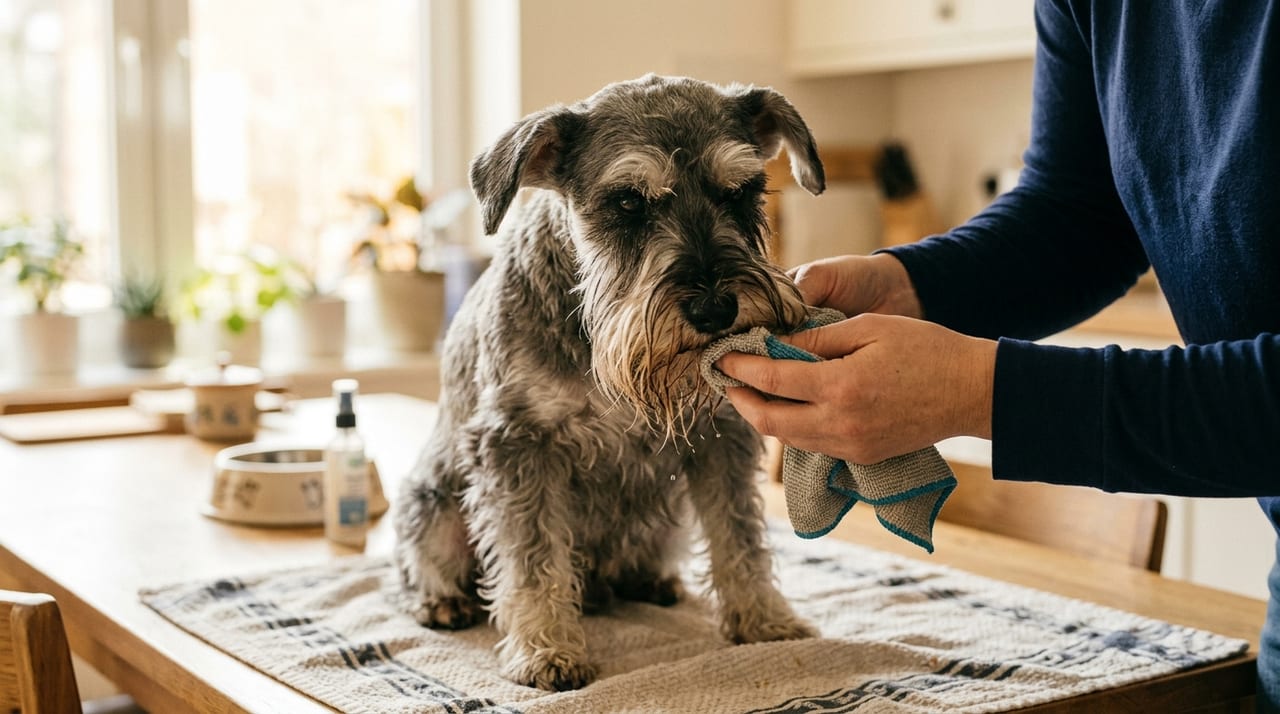
| Wiping beard and under eyes | After meals and regularly |
| Professional grooming | Once every 2–3 months |
| Nail trimming | 1–2 times per month |
| Ear cleaning | Approximately once per month |
For brushing, use a metal slicker brush and comb to gently work through any tangles. Pay special attention to the armpits, behind the ears, and the groin area, as these spots are prone to matting.
The beard becomes soiled with each meal, so make it a habit to wipe it with a damp towel after eating. Neglecting this can lead to skin inflammation. Regularly wiping tear stains under the eyes can also prevent brown discoloration.
At professional grooming, maintain the characteristic Schnauzer cut silhouette: a square head, long beard and eyebrows, and a short coat on the body. You can attempt home clipping as well, but initially having a professional teach you the technique is recommended.
Since this breed has abundant ear hair, consider asking your veterinarian or groomer to handle ear hair removal.
Training and Behavior
Miniature Schnauzers are highly intelligent and excel at training. Positive reinforcement—rewarding with food treats or praise—is the most effective method, and they respond well to both.
Begin basic training immediately after bringing your puppy home. The first three basic commands to teach are:
- Sit
- Stay
- Come
Short sessions of 5–10 minutes, repeated 2–3 times daily, are most effective.
Excessive barking is one of the most common behavioral issues in Schnauzers. If your dog barks at visitors or outside sounds, ignore the barking or consistently teach a "quiet" command. Scolding or yelling at a barking dog only increases excitement, making the problem worse.
Conduct socialization actively during the sensitive period between 3 and 14 weeks of age. Exposing your puppy to various people, places, sounds, and other animals through positive experiences prevents behavioral problems later in life. Attending puppy classes is highly effective.
Because of their high intelligence, boredom easily leads to problem behaviors such as excessive barking, destructive chewing, and furniture digging. Incorporate mental stimulation through puzzle toys, Kongs, and nose work activities.
Health Management and Conditions to Watch
Several genetic diseases and health issues are particularly common in Miniature Schnauzers.
Pancreatitis and Hyperlipidemia: As mentioned earlier, this breed is prone to lipid metabolism issues. If you observe vomiting, diarrhea, loss of appetite, or abdominal pain, seek veterinary attention promptly. Avoid high-fat foods and conduct regular blood tests (1–2 times per year) to monitor fat levels as a basic preventive measure.
Urinary Stones: Schnauzers readily form calcium oxalate stones. Promote adequate water intake and choose food formulated to manage urinary pH to help prevent this condition. Seek immediate veterinary care if you notice blood in urine, frequent urination, or difficulty urinating.
Cataracts: Hereditary juvenile cataracts have been reported in this breed. If you notice the eyes becoming cloudy or if your dog moves awkwardly in dim lighting, have an eye exam performed by a veterinary ophthalmologist.
Skin Conditions: Allergic dermatitis and skin inflammation from Malassezia overgrowth are common in this breed. If you notice excessive scratching, redness, or hair loss, consult a veterinary dermatologist.
Do not skip annual vaccinations and year-round heartworm and flea-and-tick prevention. Annual health checkups should include blood tests, urinalysis, and physical examination, plus a full set including eye and oral exams.
Benefits of Acquiring from a Breeder
Acquiring a Miniature Schnauzer directly from a breeder offers many advantages. Responsible breeders perform genetic disease testing (such as eye exams and blood lipid screening) on breeding pairs, making it easier to select individuals with lower health risks.
Additionally, breeders begin socialization of puppies from 3 weeks of age, exposing them to various stimuli. Being able to visit the breeding facility before purchase and observe the temperament and living conditions of the parents is a major advantage of direct purchase.
When purchasing from a breeder, always confirm the presence of a pedigree certificate (registration), vaccination history, and health screening results of the parents. Trustworthy breeders provide ongoing after-sale support and are available to answer questions about care.
Miniature Schnauzer is a long-term companion. With proper diet management, coat care, training, and regular health checkups, your dog will enjoy a long and healthy life.