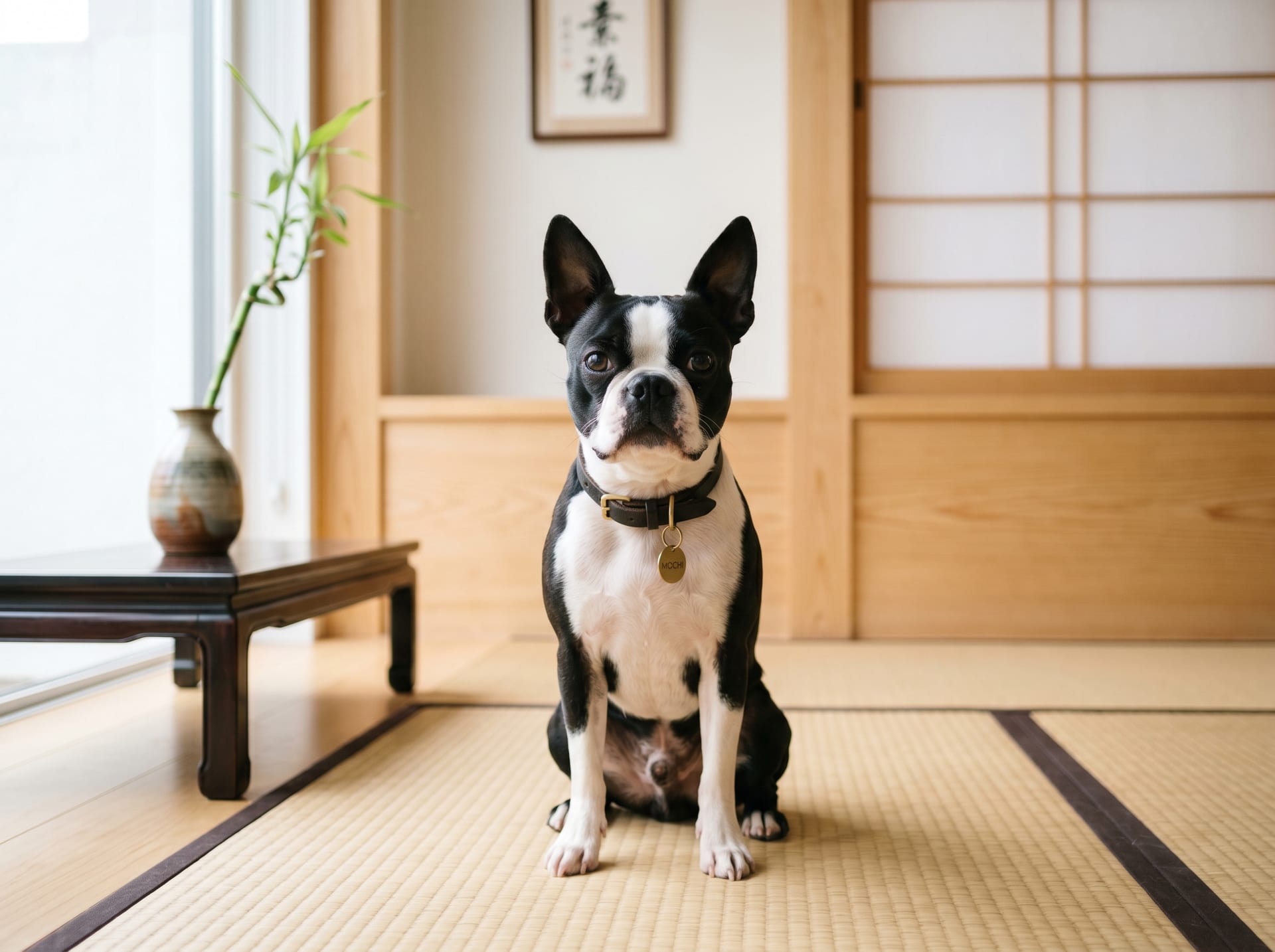
Boston Terrier
The 'American Gentleman' with a tuxedo-like coat pattern. Cheerful, friendly, and great for city living.
View Boston Terrier encyclopedia →- Price Range
- ¥200,000〜¥548,000
0% commission on your first sales!Register by September 30, 2026 and your first 2 sales are commission-free!
Breeder Wanted!
List on BreederDirect and sell directly to customers nationwide!
4 Trust Pillars from BreederDirect
All puppy listings include full disclosure from verified Breeder. BreederDirect enforces legally-mandated standards for safe, transparent direct purchases.
- MicrochipRequired
- Vaccinated
- Health Exam
- Pedigree Certificate
※ Microchip implantation is mandatory for breeders under Japan's Animal Protection Law (effective June 2022).
Secure transaction guarantee
Dogs & cats onlyEvery BreederDirect transaction is covered by our transaction guarantee. If you cannot receive your pet, you will be fully refunded. A health guarantee also covers you after handover.
Learn about transaction safety →Browse all 129 breeds
Verified breeders wanted for Dogs
Breeders are signing up now ahead of launch. Subscribe to be notified when new listings go live.
Getting alerts is free with a member account. When new listings match your saved search, we'll notify you by email and in-app.
Browse other categories
Verified breeders (preview)

Boston Terrier key facts
- Care level
- Beginner-friendly
- Lifespan
- 11-15 years
- Size
- Height 38-43cm / Weight 5-11kg
- Diet
- High-quality small-breed food. Easily digestible formulas preferred.
- Temperament
- Cheerful and friendly. Social with children and other pets.
- Exercise
- 30-45 min walk daily. Exercise during cool hours due to heat sensitivity.
- Coat Care
- Short coat; easy care. Weekly brushing sufficient.
- Origin
- United States
- Notes
- Brachycephalic; heat and breathing issues. Large eyes prone to corneal injury.
About Boston Terrier
The Boston Terrier is a true American original, developed in Boston in the late 19th century by crossing Bulldogs with White English Terriers. Recognized by the American Kennel Club in 1893, it earned the nickname "American Gentleman" for its dapper tuxedo-like coat. Compact and well-muscled, Boston Terriers typically weigh 5–11 kg, with a smooth, short black-and-white coat, large round eyes, and erect ears that give them an instantly recognizable, expressive look. Personality-wise, they are cheerful, playful, and remarkably sociable—equally at ease with children, seniors, and first-time owners. As a brachycephalic breed, they need careful heat management and regular eye care, but their moderate exercise requirements and apartment-friendly size make them an ideal urban companion. Their affectionate, almost comedic character has kept them among America's most beloved breeds for well over a century.
7 things to know before welcoming a Boston Terrier
1Heat Sensitivity of a Flat-Faced Breed
As a brachycephalic breed, Boston Terriers struggle to regulate body temperature efficiently. Keep indoor spaces cool in summer and avoid walks during peak heat. Watch for signs of labored breathing or lethargy, which can indicate overheating.
2Expect Snoring and Flatulence
The flat face means snoring during sleep and a tendency to swallow air, leading to frequent flatulence. This is a normal trait for most individuals, not a sign of illness. However, consult a vet if breathing appears labored or distressed.
3Eyes Need Regular Attention
Those large, prominent eyes are endearing but also prone to corneal injuries and irritation. Gently clean discharge daily and remove household hazards at eye level—sharp furniture corners in particular—to prevent accidental scratches.
4Smart and Trainable Nature
Boston Terriers are intelligent and respond well to positive reinforcement. They can show a stubborn streak, so consistent rules and short, daily training sessions work best. Focus on rewards and praise rather than correction-based methods.
5Sociable but Prone to Separation Anxiety
Boston Terriers love human company and can develop separation anxiety if left alone frequently. Start alone-time training early in puppyhood to help them become comfortable with solitude, reducing stress as they grow into adults.
6Understanding Monthly Ownership Costs
Budget for food, basic grooming (brushing and nail trims), flea and heartworm prevention, and annual vaccines—roughly ¥10,000–¥20,000 per month on average. Because brachycephalic breeds carry higher anesthesia risks, pet insurance is worth considering early.
7Moderate Exercise Is Enough
Two daily walks of 20–30 minutes generally meet a Boston Terrier's exercise needs. They enjoy indoor play and adapt well to apartment living. Avoid high-intensity exercise, as it can strain their already-limited airway.
Frequently asked questions about Boston Terrier
- Q.Can I keep a Boston Terrier if I live alone?
- A.Boston Terriers can thrive in single-person households as long as they receive daily exercise and interaction. If you are away for long hours regularly, introduce alone-time training early to prevent separation anxiety from developing.
- Q.Do Boston Terriers shed a lot? Is grooming difficult?
- A.Boston Terriers are short-coated and relatively low shedders. Weekly brushing, regular nail trimming, and ear cleaning cover basic grooming needs—professional grooming is not essential. Daily eye-area wiping helps keep them clean and healthy.
- Q.Are Boston Terriers good with children and other pets?
- A.Boston Terriers are generally sociable and tend to get along well with children, dogs, and cats. Individual temperaments vary, so thorough socialization during puppyhood—exposure to diverse people and animals—is key to raising a well-adjusted dog.
- Q.What is the typical lifespan, and what health issues are common?
- A.The average lifespan is around 11–13 years. Common health concerns include brachycephalic obstructive airway syndrome (BOAS), cataracts, patellar luxation, and allergic skin conditions. Regular veterinary checkups and maintaining a healthy weight are key to a longer, healthier life.
- Q.How much does a Boston Terrier puppy typically cost?
- A.In Japan, Boston Terrier puppies typically range from ¥200,000 to ¥400,000. Prices vary based on pedigree, coat markings, and breeder reputation. Beyond price, always verify health certifications and the living conditions the puppy was raised in before deciding.
Useful tools for Boston Terrier care
Learn more about Boston Terrier in the encyclopedia
View Boston Terrier encyclopedia entry →
Care difficulty, lifespan, size and diet — all basics covered.
More in this category
Can't find the one you're looking for?
Post your wishes for free and breeders with matching animals will contact you with introductions.