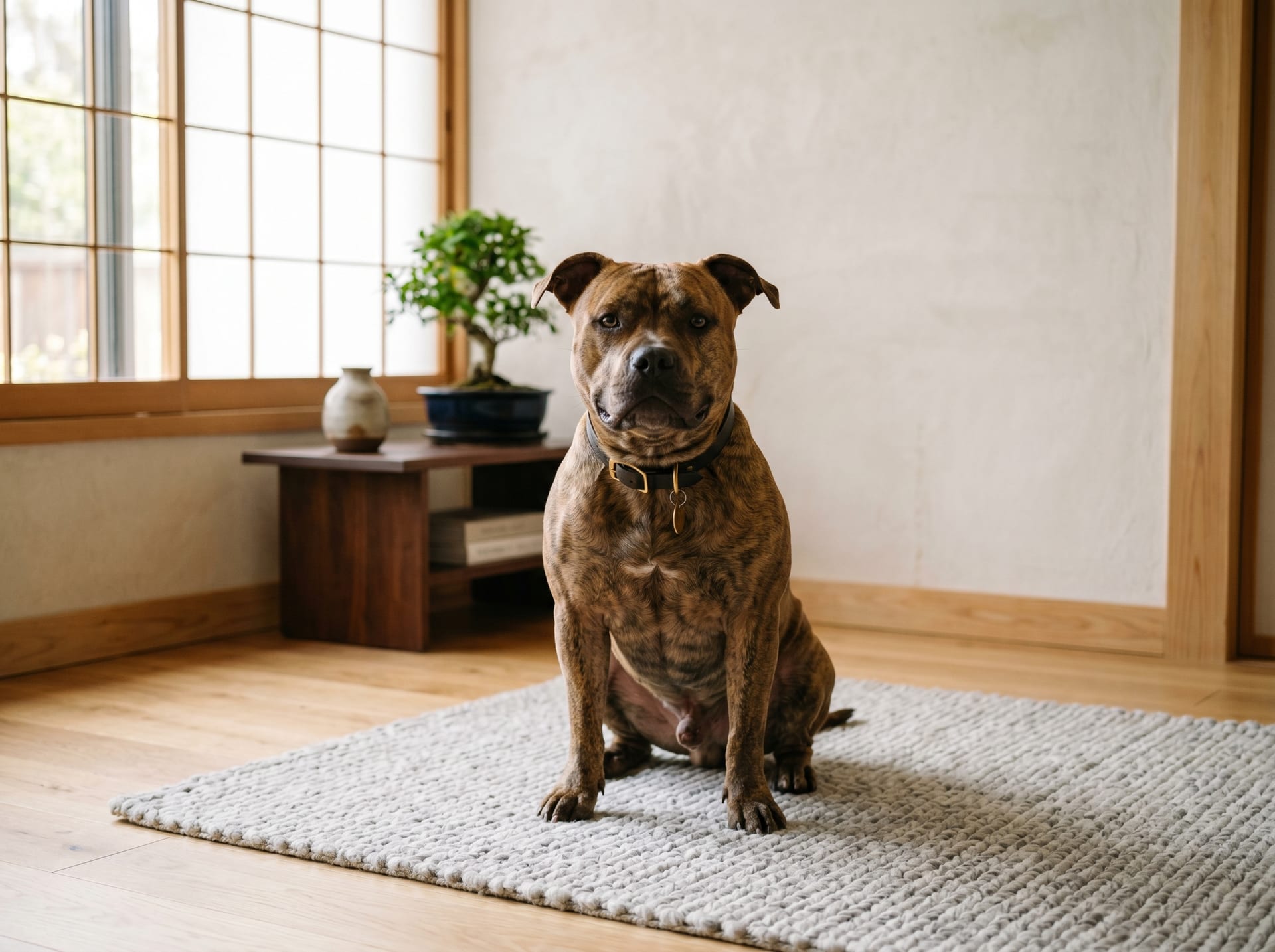
American Bully
A muscular, stocky breed. Despite their tough appearance, they are gentle, loving with family, and good with children.
View American Bully encyclopedia →- Price Range
- ¥200,000〜¥548,000
0% commission on your first sales!Register by September 30, 2026 and your first 2 sales are commission-free!
Breeder Wanted!
List on BreederDirect and sell directly to customers nationwide!
4 Trust Pillars from BreederDirect
All puppy listings include full disclosure from verified Breeder. BreederDirect enforces legally-mandated standards for safe, transparent direct purchases.
- MicrochipRequired
- Vaccinated
- Health Exam
- Pedigree Certificate
※ Microchip implantation is mandatory for breeders under Japan's Animal Protection Law (effective June 2022).
Secure transaction guarantee
Dogs & cats onlyEvery BreederDirect transaction is covered by our transaction guarantee. If you cannot receive your pet, you will be fully refunded. A health guarantee also covers you after handover.
Learn about transaction safety →Browse all 129 breeds
Verified breeders wanted for Dogs
Breeders are signing up now ahead of launch. Subscribe to be notified when new listings go live.
Getting alerts is free with a member account. When new listings match your saved search, we'll notify you by email and in-app.
Browse other categories
Verified breeders (preview)



American Bully key facts
- Care level
- Intermediate
- Lifespan
- 10-13 years
- Size
- 20-40kg
- Diet
- High-protein food for muscle maintenance
- Temperament
- Gentle, loyal, and loving with family
- Exercise
- 30-60 minutes daily, strength exercises
- Coat Care
- Short coat, easy maintenance
- Origin
- United States
- Notes
- Heat sensitive, watch for joint issues
About American Bully
The American Bully is a relatively modern breed developed in the United States during the 1990s, primarily from the American Pit Bull Terrier crossed with breeds such as the Staffordshire Bull Terrier. Recognized by the UKC in 2004, it now comes in four size categories: Pocket, Standard, XL, and Extreme. Its most defining feature is a compact yet powerful silhouette characterized by a broad chest, thick neck, and well-developed musculature. The breed offers an impressive range of coat colors, including eye-catching tricolors and merle patterns. In sharp contrast to its formidable appearance, the American Bully is deeply affectionate and emotionally expressive with family, earning it the nickname "nanny dog" for its particular gentleness with children. The breed requires consistent dietary management and regular exercise to maintain its physique, but it learns quickly and rewards attentive owners with unwavering loyalty—making it a beloved choice among breeders and owners worldwide.
6 things to know before welcoming a American Bully
1Four Recognized Varieties
The American Bully is recognized in four varieties: Pocket, Standard, Classic, and XL, each differing significantly in size. Confirm which type you are getting and prepare a living space suited to the adult weight and height. XL-type dogs can exceed 40 kg, so adequate space and physical readiness are important.
2Gentle Yet Physically Strong
Despite their imposing appearance, American Bullies have a very calm and low-aggression temperament. However, their weight and strength mean that early leash training is essential to manage pulling and excitement. Consistent training from puppyhood is key, as correcting habits in a fully grown adult can be physically challenging.
3High-Protein Diet for Muscle Health
Maintaining the breed's muscular build requires a diet rich in quality protein sources. Many owners choose high-protein commercial kibble or raw diets developed in consultation with a veterinarian. Obesity puts extra strain on the joints, so monitoring caloric intake and maintaining a healthy weight is important.
4Watch for Skin Issues
American Bullies have a tendency toward allergic skin conditions and pyoderma. Their short coat leaves skin relatively exposed, so regular bathing and brushing are important to maintain cleanliness. For dogs with wrinkles, gently cleaning the skin folds helps prevent moisture buildup and inflammation.
5Joint and Hip Health
Larger, heavily muscled breeds can be prone to hip dysplasia and elbow joint issues. During puppyhood, it is advisable to limit activities that place heavy impact on the joints, such as excessive jumping or sharp turns. Regular veterinary checkups and joint-supportive supplements may also be worth considering.
6Socialization Is Essential
Socializing American Bully puppies with a variety of people, dogs, and environments is crucial to reinforcing their naturally calm temperament. Teaching appropriate behavior with other dogs before they reach full size helps prevent conflicts in adulthood. Attending puppy classes or working with a professional dog trainer is strongly recommended.
Frequently asked questions about American Bully
- Q.Is the American Bully a dangerous breed?
- A.American Bullies that are properly socialized and trained are generally very gentle with family. Excessive aggression is considered a fault in the breed standard, and reputable breeders actively select against it. That said, their size and strength mean responsible ownership and management are essential at all times.
- Q.Can they be kept in an apartment?
- A.Apartment living is possible as long as adequate space and exercise are provided. However, check your building's pet policies, as weight limits may conflict with the adult size of 20–40 kg. Daily walks and indoor activity opportunities will help ensure the dog remains mentally and physically content.
- Q.Can they live with other dogs or cats?
- A.With proper early socialization, many American Bullies coexist well with other dogs and cats. Introducing a new pet to an adult Bully requires a gradual, supervised approach. Individual temperaments vary, so it's worth asking your breeder about the specific dog's behavioral tendencies beforehand.
- Q.How much grooming do they require?
- A.As a short-coated breed, weekly brushing once or twice is generally sufficient. However, since they are prone to skin issues, thorough drying after baths and keeping ears and skin folds clean are important. Regular nail trimming and teeth brushing should also be part of their routine care.
- Q.Is this breed suitable for first-time dog owners?
- A.Their affectionate and people-oriented nature makes them appealing to first-time owners, but their size means early and consistent training is essential. With support from a professional trainer or puppy class, first-timers can absolutely raise a well-mannered Bully. Understanding the costs involved in diet, healthcare, and exercise ahead of time is equally important.
Useful tools for American Bully care
Learn more about American Bully in the encyclopedia
View American Bully encyclopedia entry →
Care difficulty, lifespan, size and diet — all basics covered.
More in this category
Can't find the one you're looking for?
Post your wishes for free and breeders with matching animals will contact you with introductions.