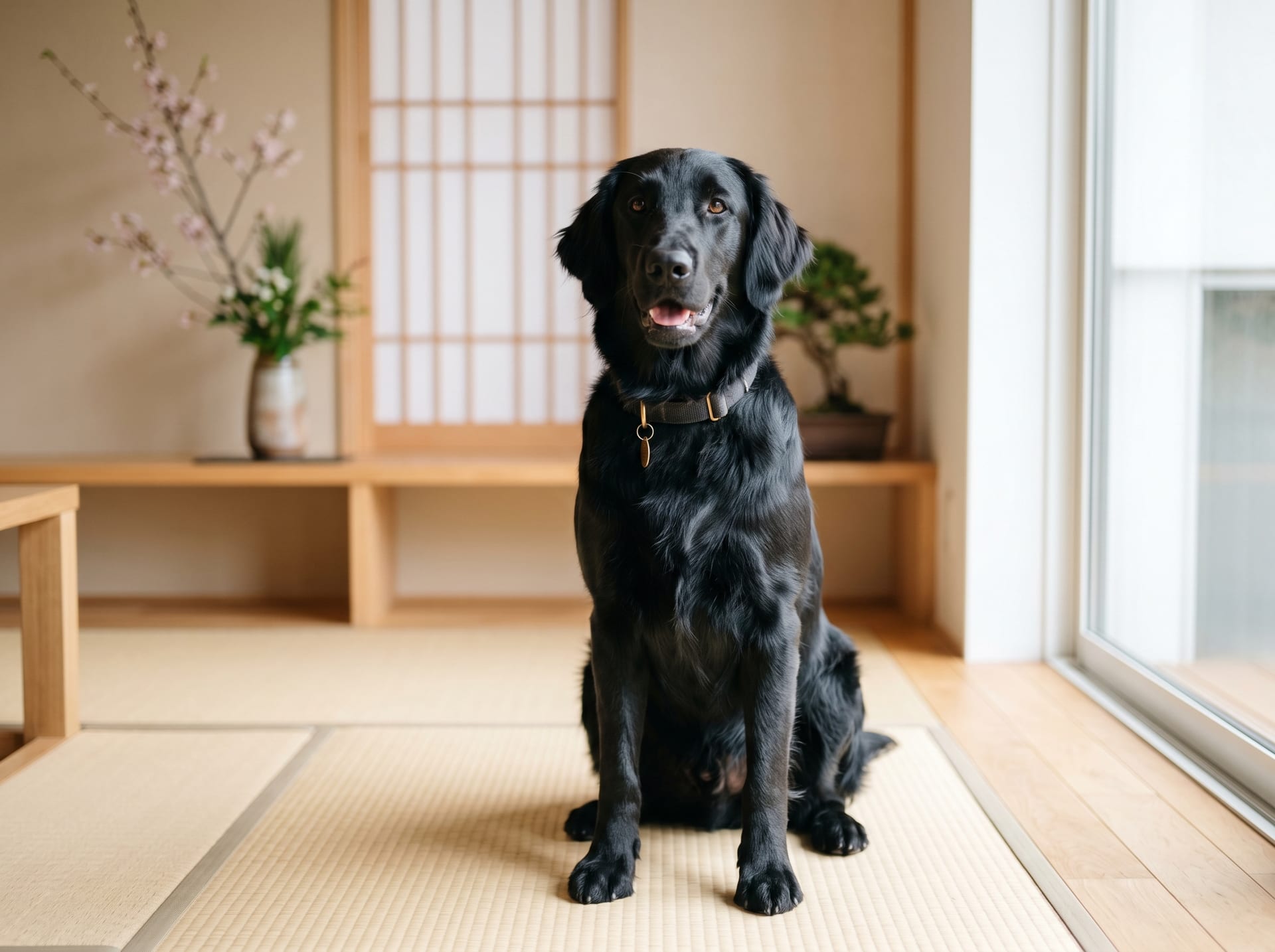
Flat-Coated Retriever
Glossy flat coat with eternally youthful personality. 'Peter Pan of dogs.'.
View Flat-Coated Retriever encyclopedia →- Price Range
- ¥200,000〜¥548,000
0% commission on your first sales!Register by September 30, 2026 and your first 2 sales are commission-free!
Breeder Wanted!
List on BreederDirect and sell directly to customers nationwide!
4 Trust Pillars from BreederDirect
All puppy listings include full disclosure from verified Breeder. BreederDirect enforces legally-mandated standards for safe, transparent direct purchases.
- MicrochipRequired
- Vaccinated
- Health Exam
- Pedigree Certificate
※ Microchip implantation is mandatory for breeders under Japan's Animal Protection Law (effective June 2022).
Secure transaction guarantee
Dogs & cats onlyEvery BreederDirect transaction is covered by our transaction guarantee. If you cannot receive your pet, you will be fully refunded. A health guarantee also covers you after handover.
Learn about transaction safety →Browse all 129 breeds
Verified breeders wanted for Dogs
Breeders are signing up now ahead of launch. Subscribe to be notified when new listings go live.
Getting alerts is free with a member account. When new listings match your saved search, we'll notify you by email and in-app.
Browse other categories
Verified breeders (preview)

Flat-Coated Retriever key facts
- Care level
- Intermediate
- Lifespan
- 8-10 years
- Size
- Height 56-62cm / Weight 25-36kg
- Diet
- High-quality large-breed food.
- Temperament
- Cheerful and friendly. Maintains puppy-like brightness.
- Exercise
- 60-90 min vigorous exercise daily. Loves swimming and retrieving.
- Coat Care
- Medium-length flat coat. Brush 2-3 times weekly.
- Origin
- United Kingdom
- Notes
- Very high cancer risk. Regular health screening important.
About Flat-Coated Retriever
The Flat-Coated Retriever was established in 19th-century Britain as a specialist waterfowl retriever, drawing on bloodlines that include the Labrador, setter, and collie. Its most distinctive physical traits are a dense, lustrous black—or occasionally liver-colored—flat coat and smooth feathering along the chest, ears, and legs. The face is expressive and gentle, with bright, joyful eyes that seem perpetually delighted. Temperamentally, the breed stands out for its exceptional cheerfulness and friendliness, earning the nickname "Peter Pan of dogs" for a puppylike exuberance that rarely fades with age. They love everyone equally and integrate seamlessly into family life. One important consideration is the breed's elevated risk of malignant tumors, which contributes to a relatively short average lifespan of 8–10 years—something prospective owners should understand fully before committing. Given ample daily exercise and close family companionship, a Flat-Coated Retriever will fill a home with unmatched warmth and joy.
7 things to know before welcoming a Flat-Coated Retriever
1High Exercise Needs
Bred as a working gundog, the Flat-Coated Retriever needs 1–2 hours of vigorous exercise daily. Activities like fetch, swimming, and off-leash running in a safe area are ideal alongside regular walks. Without sufficient exercise, they can develop destructive behaviors or become overweight.
2Perpetual Puppy Personality
Unlike many breeds that calm down with age, Flat-Coated Retrievers retain their exuberant, playful nature well into adulthood. This endearing quality means impulsive behavior may persist longer, requiring patient and consistent training. They suit owners who genuinely enjoy living with a high-spirited dog for the long term.
3Cancer Risk Awareness
Flat-Coated Retrievers have a notably higher rate of malignant tumors—especially histiocytic sarcoma—compared to many other breeds, contributing to a relatively short lifespan of 8–10 years. Regular veterinary checkups and prompt attention to any lumps or changes are important. When choosing a breeder, ask about their health screening practices.
4Coat Care Essentials
The flat, glossy coat needs brushing 2–3 times per week to stay tidy, but the feathering on the ears, chest, and legs can tangle and requires extra attention. Occasional trimming can be done at home or by a professional groomer. Since many Flat-Coats love water, drying the ear canals thoroughly after swimming helps prevent ear infections.
5Sociability and Alone Time
Flat-Coated Retrievers crave human company and can struggle with long periods alone. Separation anxiety may lead to barking or destructive chewing if not addressed through gradual alone-time training from puppyhood. They are best suited to households where someone is home for much of the day.
6Compatibility with Kids and Pets
Their gentle, playful nature generally makes them excellent companions for children and other dogs. However, their large size and enthusiastic energy can accidentally knock over small children, so adult supervision during interactions is advisable. They can coexist peacefully with cats and other small pets, though early socialization is key.
7Estimated Ownership Costs
As a large breed, monthly food costs typically range from ¥8,000 to ¥15,000 using quality large-breed dog food. Veterinary fees, vaccinations, and health checks are also priced at large-dog rates. Given the breed's elevated cancer risk, enrolling in pet insurance from puppyhood is worth serious consideration.
Frequently asked questions about Flat-Coated Retriever
- Q.Is this breed suitable for first-time dog owners?
- A.Their friendly, non-aggressive temperament is manageable, but their high energy levels and persistent puppy-like exuberance can be challenging for first-time owners. Those willing to invest in basic obedience training and commit to daily vigorous exercise can absolutely enjoy this breed as a first dog.
- Q.Can they live comfortably in an apartment?
- A.It is possible but requires a strong commitment to daily outdoor exercise to compensate for limited indoor space. They can be calm inside when their needs are met, but prolonged confinement in a small space leads to stress and problem behaviors. Apartment living works best when a large park is nearby and accessible every day.
- Q.Is it true that they have a shorter lifespan?
- A.Yes, the average lifespan is 8–10 years, which is relatively short even among large breeds. The primary reason is a high incidence of malignant tumors, particularly histiocytic sarcoma. Regular veterinary checkups and early detection are the most effective ways to support a longer, healthier life.
- Q.How does this breed differ from the Golden Retriever?
- A.In appearance, Flat-Coated Retrievers have a sleek black or liver-colored flat coat, while Golden Retrievers are known for their golden, wavy longer fur. Both are gentle-natured, but Flat-Coats tend to stay more puppylike and energetic for longer. They also differ in typical lifespan and breed-specific health risks.
- Q.Do they shed a lot?
- A.They shed moderately throughout the year with heavier shedding during seasonal changes. While not as profuse as some long-coated breeds, without regular grooming hair will accumulate on clothing and furniture. Brushing 2–3 times per week keeps shedding manageable and the coat in good condition.
Useful tools for Flat-Coated Retriever care
Learn more about Flat-Coated Retriever in the encyclopedia
View Flat-Coated Retriever encyclopedia entry →
Care difficulty, lifespan, size and diet — all basics covered.
More in this category
Can't find the one you're looking for?
Post your wishes for free and breeders with matching animals will contact you with introductions.