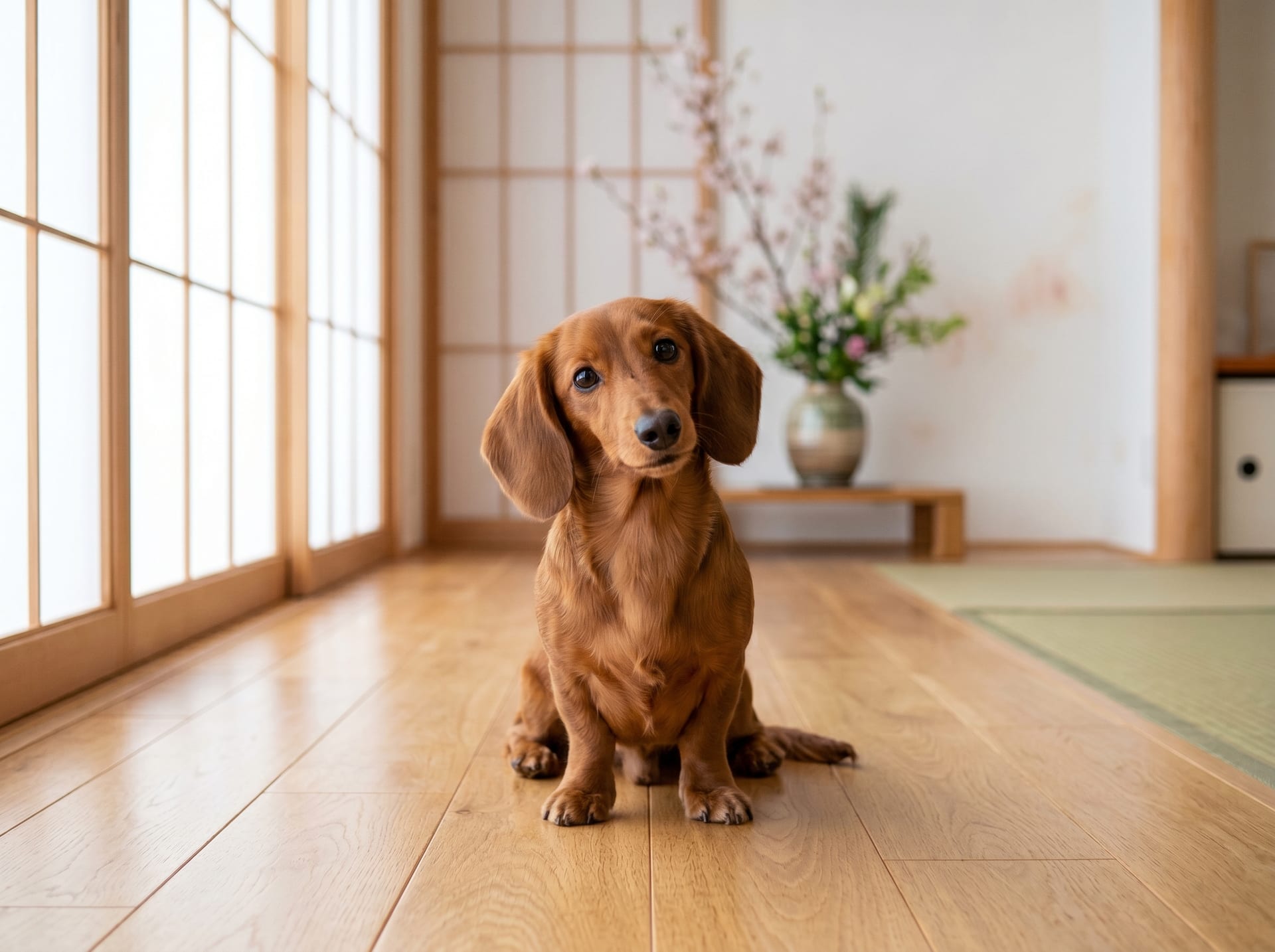
Kaninchen Dachshund
The smallest Dachshund variety with chest circumference under 30cm. Charming small size with an active personality.
View Kaninchen Dachshund encyclopedia →- Price Range
- ¥200,000〜¥548,000
0% commission on your first sales!Register by September 30, 2026 and your first 2 sales are commission-free!
Breeder Wanted!
List on BreederDirect and sell directly to customers nationwide!
4 Trust Pillars from BreederDirect
All puppy listings include full disclosure from verified Breeder. BreederDirect enforces legally-mandated standards for safe, transparent direct purchases.
- MicrochipRequired
- Vaccinated
- Health Exam
- Pedigree Certificate
※ Microchip implantation is mandatory for breeders under Japan's Animal Protection Law (effective June 2022).
Secure transaction guarantee
Dogs & cats onlyEvery BreederDirect transaction is covered by our transaction guarantee. If you cannot receive your pet, you will be fully refunded. A health guarantee also covers you after handover.
Learn about transaction safety →Browse all 129 breeds
Verified breeders wanted for Dogs
Breeders are signing up now ahead of launch. Subscribe to be notified when new listings go live.
Getting alerts is free with a member account. When new listings match your saved search, we'll notify you by email and in-app.
Browse other categories
Verified breeders (preview)
Kaninchen Dachshund key facts
- Care level
- Beginner-friendly
- Lifespan
- 13-17 years
- Size
- 2.5-3.5kg
- Diet
- Dry food, strict weight management
- Temperament
- Active, playful and affectionate
- Exercise
- 20-30 minutes of daily walks
- Coat Care
- Varies by coat type (smooth/long/wire)
- Origin
- Germany
- Notes
- Watch for IVDD, avoid stairs and jumping
About Kaninchen Dachshund
The Kaninchen Dachshund takes its name from the German word for "rabbit," reflecting its original purpose: bred small enough to enter rabbit burrows during hunts. While the Dachshund breed traces its roots to 17th-century Germany, the Kaninchen size was established in the late 19th century. Defined by a chest circumference of 30 cm or less and a typical adult weight of 3 to 5 kg, this miniature dog is instantly recognizable by its long body, short limbs, and large drooping ears — a silhouette that comes in smooth, longhaired, and wirehaired coat varieties, each with its own distinct character. Temperamentally, Kaninchen Dachshunds are curious, brave, and deeply loyal to their families, while retaining the independent streak of their hunting heritage. Their compact size makes them well-suited to apartment living in cities, and a combination of daily walks and indoor play is generally sufficient to meet their exercise needs. The breed's elongated spine does require thoughtful management — avoiding unnecessary jumping and scheduling regular veterinary check-ups can meaningfully reduce the risk of disc problems. It is this blend of bold personality in a charming small package that continues to win devoted fans around the world.
Featured breeders for Kaninchen Dachshund
See all Kaninchen Dachshund breeders (2) →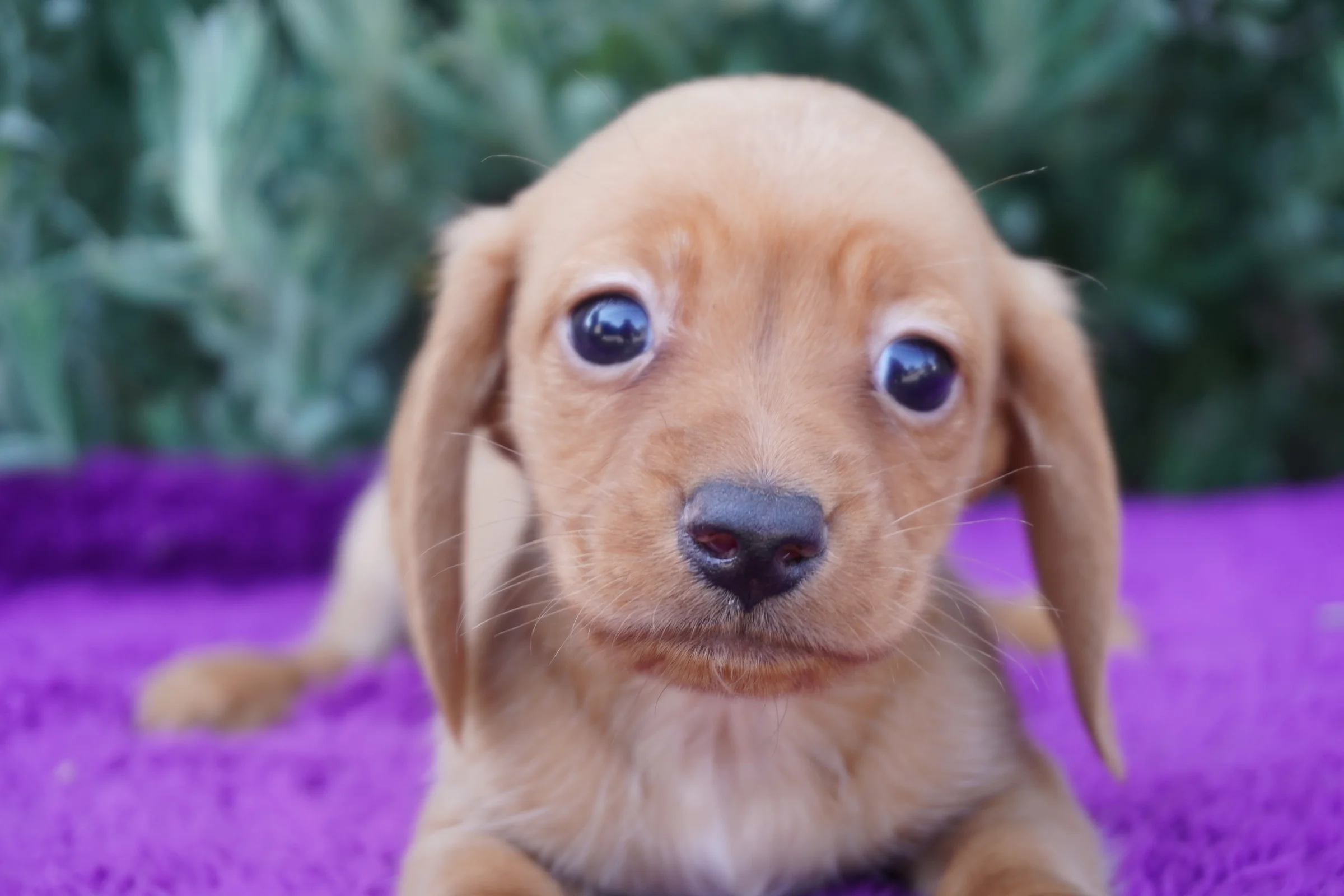
7 things to know before welcoming a Kaninchen Dachshund
1Tiny But Sturdy Build
With a chest circumference of 30cm or less and a weight of around 3.5kg, they are noticeably smaller than Miniature Dachshunds. Despite their size, they have a solid frame and are tougher than they look. Their compact size makes them well-suited for apartment living.
2Watch for Disc Disease
Like all Dachshunds, the Kaninchen is prone to intervertebral disc disease due to its long back and short legs. Minimizing stair and furniture climbing and handling them carefully when lifting are important precautions. Keeping their weight in check also helps reduce stress on the spine.
3Independent & Stubborn Streak
Bred to hunt independently, Kaninchen Dachshunds can have a stubborn side and may not always follow commands readily. Consistent training using positive reinforcement works best with this breed. Rewarding good behavior rather than scolding tends to yield better results.
4Managing Their Barking
They have strong watchdog instincts and tend to bark at sounds or strangers. In apartment settings, addressing barking behavior early through training is especially important. Proper socialization from puppyhood can help reduce excessive barking over time.
5More Exercise Than Expected
Despite their small size, they are energetic dogs that benefit from two walks a day. Insufficient exercise can lead to stress and behavioral issues. However, avoid activities involving high jumps or sharp turns, as these put strain on their spine.
6Three Coat Varieties
Kaninchen Dachshunds come in three coat types: smooth, longhaired, and wirehaired, each requiring different levels of grooming. Smooth coats are relatively low-maintenance, while longhaired coats need regular brushing. Confirm the coat type before bringing one home.
7Cost Considerations
Kaninchen Dachshunds are relatively rare and tend to cost more than Miniature Dachshunds. Given the breed's susceptibility to disc disease, pet insurance is worth considering. While food costs are modest due to their small size, routine veterinary care and vaccinations are standard ongoing expenses.
Frequently asked questions about Kaninchen Dachshund
- Q.What is the difference between Kaninchen and Miniature Dachshunds?
- A.The two sizes are distinguished primarily by chest circumference: Kaninchen measures 30 cm or under, while Miniature falls in the 30–35 cm range. They share the same iconic silhouette, but the Kaninchen is noticeably smaller and lighter overall.
- Q.Is this breed suitable for someone living alone?
- A.Their compact size and moderate exercise needs make them manageable for solo owners. However, they can develop separation anxiety if left alone for long periods, so ensuring sufficient interaction and keeping absence times reasonable are important considerations.
- Q.Will my Kaninchen Dachshund definitely develop IVDD?
- A.While the breed has a genetic predisposition to intervertebral disc disease, not every dog will develop it. Preventing repeated jumping from heights, maintaining a healthy weight, and scheduling regular vet check-ups can meaningfully reduce the risk.
- Q.How many coat colors and types are available?
- A.There are three coat types — smooth, longhaired, and wirehaired — and a wide range of colors including red, cream, black and tan, and chocolate and tan, as well as the dapple pattern. Speaking with a reputable breeder can help you find your preferred combination.
- Q.Can they live harmoniously with children and other pets?
- A.With proper socialization, Kaninchen Dachshunds can coexist well with children and other animals. That said, their small size means rough handling by young children can cause injury, so adult supervision during interactions is advisable.
Useful tools for Kaninchen Dachshund care
Learn more about Kaninchen Dachshund in the encyclopedia
View Kaninchen Dachshund encyclopedia entry →
Care difficulty, lifespan, size and diet — all basics covered.
More in this category
Can't find the one you're looking for?
Post your wishes for free and breeders with matching animals will contact you with introductions.