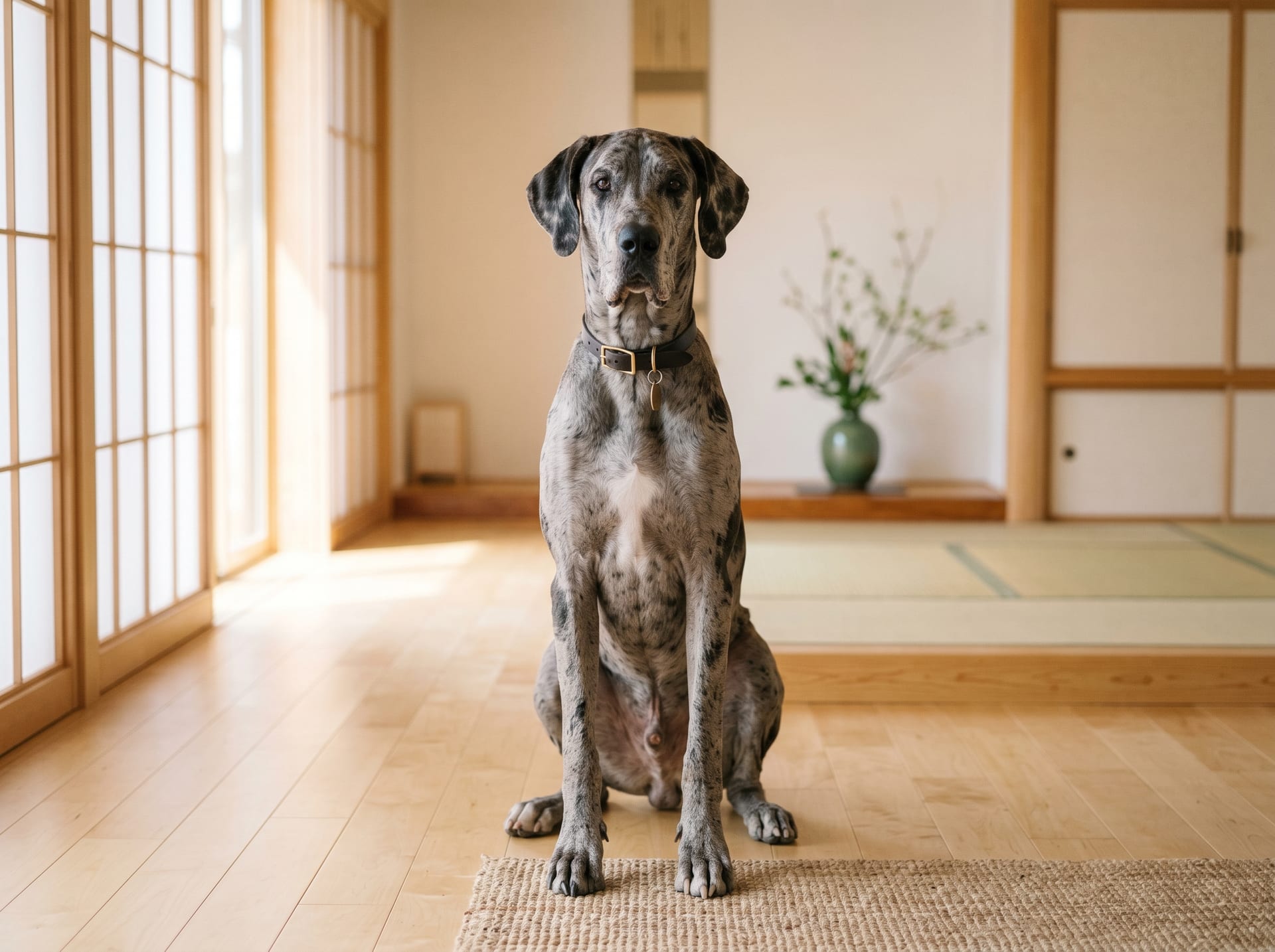
Great Dane
One of the tallest breeds. Gentle giant. Lifespan: 7〜10年.
View Great Dane encyclopedia →- Price Range
- ¥200,000〜¥548,000
0% commission on your first sales!Register by September 30, 2026 and your first 2 sales are commission-free!
Breeder Wanted!
List on BreederDirect and sell directly to customers nationwide!
4 Trust Pillars from BreederDirect
All puppy listings include full disclosure from verified Breeder. BreederDirect enforces legally-mandated standards for safe, transparent direct purchases.
- MicrochipRequired
- Vaccinated
- Health Exam
- Pedigree Certificate
※ Microchip implantation is mandatory for breeders under Japan's Animal Protection Law (effective June 2022).
Secure transaction guarantee
Dogs & cats onlyEvery BreederDirect transaction is covered by our transaction guarantee. If you cannot receive your pet, you will be fully refunded. A health guarantee also covers you after handover.
Learn about transaction safety →Browse all 129 breeds
Verified breeders wanted for Dogs
Breeders are signing up now ahead of launch. Subscribe to be notified when new listings go live.
Getting alerts is free with a member account. When new listings match your saved search, we'll notify you by email and in-app.
Browse other categories
Verified breeders (preview)
Great Dane key facts
- Care level
- Intermediate
- Lifespan
- 7-10 years
- Size
- Height 71-86cm / Weight 50-82kg
- Diet
- High-quality giant-breed food. Slow-growth formulas important.
- Temperament
- Gentle giant. Loyal and friendly.
- Exercise
- 45-60 min walk daily. Limit intense exercise during growth.
- Coat Care
- Short coat; easy care. Weekly brushing sufficient.
- Origin
- Germany
- Notes
- Very high risk of gastric torsion. Watch for heart disease and osteosarcoma.
About Great Dane
The Great Dane traces its origins to Germany, where it descended from large hunting dogs used to chase wild boar in medieval Europe. Over time, it was refined as a companion and guard dog among European nobility, developing the elegant build and gentle temperament we know today. Adults typically stand 71–86 cm at the shoulder and weigh 50–82 kg, with coat colors ranging from fawn and brindle to black, harlequin, and merle. The short coat is relatively easy to maintain, though floppy ears require regular cleaning. True to the "gentle giant" nickname, Great Danes are affectionate, patient, and generally good with children and other pets—though they dislike being left alone for long periods. The greatest reward of owning one is the extraordinary bond that forms: few experiences rival the sight of an 80 kg dog leaning gently against you, or quietly watching over the family with calm devotion.
7 things to know before welcoming a Great Dane
1Spacious Home Required
Great Danes can stand up to 86 cm tall and weigh over 80 kg, making cramped apartments or small houses difficult. Their wagging tails alone can sweep objects off tables, so a spacious living area and ideally a yard are strongly recommended.
2High Monthly Food Costs
Feeding a Great Dane typically requires 600–900 g of high-quality giant-breed food daily, which can add up to ¥10,000–¥20,000 or more per month. During the growth phase, specialized large-breed puppy formulas are recommended to avoid excessive calories and calcium.
3Slow, Controlled Growth
Great Danes take around two years to reach skeletal maturity. Overfeeding or excessive exercise during puppyhood can increase the risk of joint disorders. It is important to manage growth gradually under veterinary guidance rather than pushing rapid weight gain.
4Risk of Bloat (GDV)
Gastric Dilatation-Volvulus (GDV), or bloat, is a life-threatening condition common in large, deep-chested breeds like the Great Dane. To reduce risk, avoid vigorous exercise right after meals and split daily portions into two or three smaller feedings. Some owners discuss preventive gastropexy surgery with their veterinarian.
5Shorter Lifespan to Accept
Great Danes have an average lifespan of 7–10 years, shorter than most smaller breeds. Before bringing one home, it's important for the whole family to be emotionally prepared for the possibility of a shorter time together than they may be accustomed to with other pets.
6Early Socialization Is Key
Despite their gentle nature, a nearly 80 kg dog jumping up in excitement or fear can cause serious accidents. Early socialization—exposing puppies to various people, dogs, and environments—along with consistent manners training is essential for safe coexistence.
7Veterinary Costs Are High
Medication doses and surgical costs often scale with body weight, meaning veterinary bills for a Great Dane can be several times higher than for small breeds. It is wise to look into pet insurance or set aside a dedicated emergency fund before bringing one home.
Frequently asked questions about Great Dane
- Q.Can I keep a Great Dane in an apartment?
- A.It is not impossible, but it requires ample indoor space and daily exercise to keep the dog physically and mentally healthy. A large living area and elevator access help considerably. Noise management and navigating shared spaces with such a large dog also require careful consideration.
- Q.Are Great Danes safe around children?
- A.Great Danes are generally gentle and patient with children. However, their sheer size means they can accidentally knock over small children. Adult supervision during play is always recommended to ensure the safety of both the child and the dog.
- Q.How much exercise does a Great Dane need daily?
- A.Adult Great Danes generally benefit from two walks totaling 30–60 minutes per day. Leisurely, longer walks are preferable to intense jogging, as they place less strain on the joints. For puppies still developing their skeletal structure, excessive exercise should be avoided to minimize the risk of joint damage.
- Q.Can Great Danes live with other dogs or cats?
- A.With proper socialization, Great Danes can usually coexist peacefully with other dogs and cats. Growing up together from puppyhood often leads to the best compatibility. Given the size difference, however, initial introductions should always be conducted on-leash and under careful supervision.
- Q.How much does a Great Dane puppy cost?
- A.In Japan, purchasing a Great Dane puppy from a breeder typically costs around ¥200,000–¥500,000, varying by pedigree, coat color, and breeder reputation. In addition to the purchase price, it is advisable to budget for first-year expenses including initial veterinary care, supplies, and food costs.
Useful tools for Great Dane care
Learn more about Great Dane in the encyclopedia
View Great Dane encyclopedia entry →
Care difficulty, lifespan, size and diet — all basics covered.
Great Dane related articles
See more Great Dane articles →More in this category
Can't find the one you're looking for?
Post your wishes for free and breeders with matching animals will contact you with introductions.