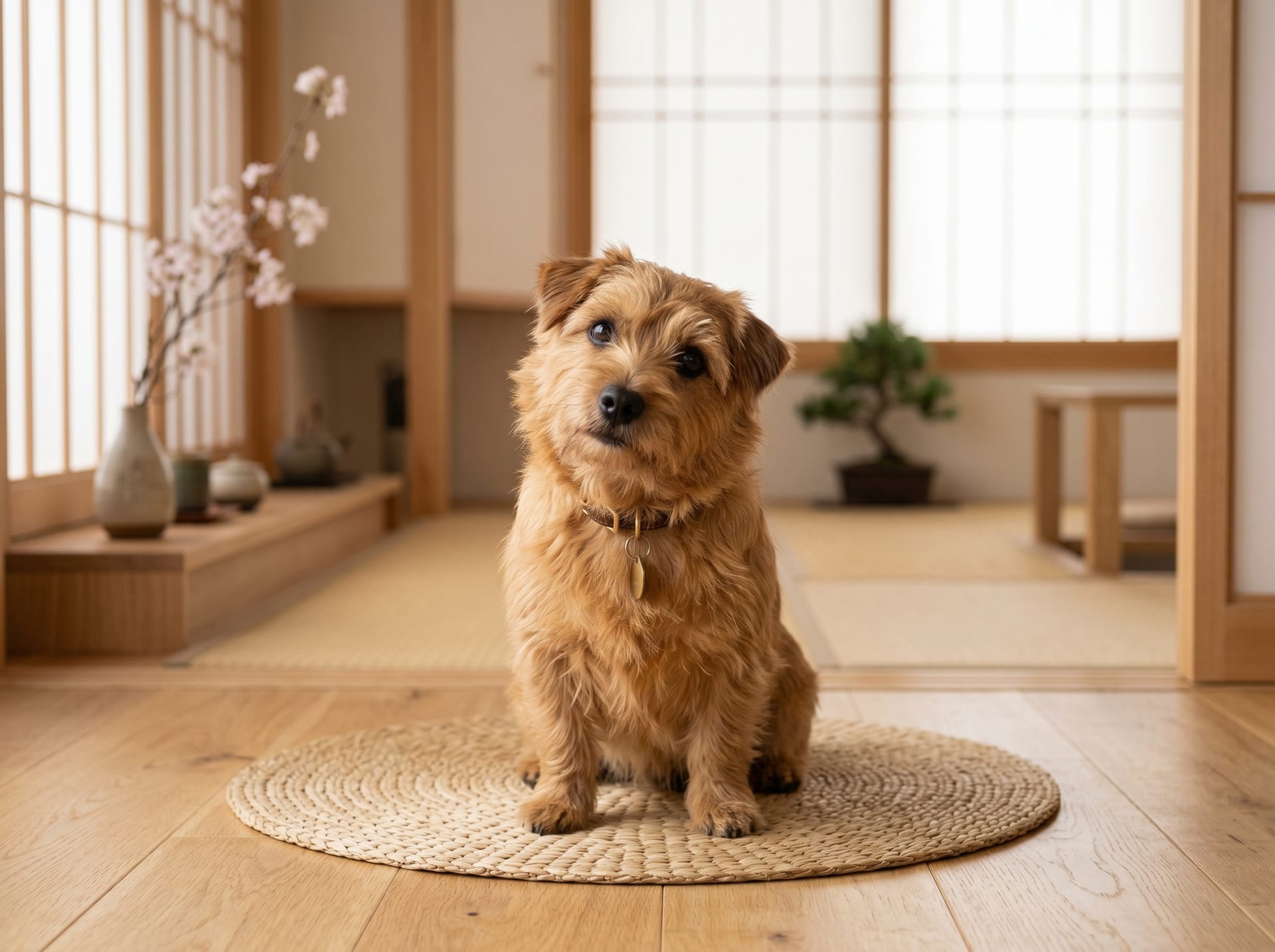
Norfolk Terrier
One of the smallest terriers with charming drop ears. Active, brave, and curious with true terrier spirit.
View Norfolk Terrier encyclopedia →- Price Range
- ¥200,000〜¥660,000
0% commission on your first sales!Register by September 30, 2026 and your first 2 sales are commission-free!
Breeder Wanted!
List on BreederDirect and sell directly to customers nationwide!
4 Trust Pillars from BreederDirect
All puppy listings include full disclosure from verified Breeder. BreederDirect enforces legally-mandated standards for safe, transparent direct purchases.
- MicrochipRequired
- Vaccinated
- Health Exam
- Pedigree Certificate
※ Microchip implantation is mandatory for breeders under Japan's Animal Protection Law (effective June 2022).
Secure transaction guarantee
Dogs & cats onlyEvery BreederDirect transaction is covered by our transaction guarantee. If you cannot receive your pet, you will be fully refunded. A health guarantee also covers you after handover.
Learn about transaction safety →Browse all 129 breeds
Verified breeders wanted for Dogs
Breeders are signing up now ahead of launch. Subscribe to be notified when new listings go live.
Getting alerts is free with a member account. When new listings match your saved search, we'll notify you by email and in-app.
Browse other categories
Verified breeders (preview)

Norfolk Terrier key facts
- Care level
- Beginner-friendly
- Lifespan
- 12-15 years
- Size
- Height 23-25cm / Weight 5-5.5kg
- Diet
- High-quality small-breed food. Adjust portions to activity level.
- Temperament
- Active and brave. Curious, playful, and friendly with people and dogs.
- Exercise
- 30-45 min walk daily. Enjoys exploring and digging; garden play effective.
- Coat Care
- Hard wire coat. Brush 2-3 times weekly; regular hand-stripping needed.
- Origin
- United Kingdom (Norfolk)
- Notes
- Watch for patellar luxation and heart issues. May chase small animals.
About Norfolk Terrier
The Norfolk Terrier originates from Norfolk, England, and gained popularity in the late 19th century among Cambridge University students as a ratting dog. For many years it was classified alongside the Norwich Terrier as the same breed, but in 1964 the Kennel Club officially recognized them as two distinct breeds distinguished by ear type — drop ears for the Norfolk and prick ears for the Norwich. Compact in size at roughly 25 cm tall and around 5 kg, the Norfolk Terrier has a harsh, wiry double coat that comes in shades of red, grizzle, black and tan, or wheaten. In temperament, it is lively, inquisitive, and deeply affectionate toward its family, while retaining the independent and stubborn streak characteristic of terriers. Despite its small frame, it has considerable stamina and genuinely enjoys outdoor activities and regular walks. It can adapt well to urban and apartment living, provided it receives sufficient daily exercise and mental stimulation.
7 things to know before welcoming a Norfolk Terrier
1Watch for Digging Instincts
Originally bred to hunt rats and small animals, Norfolk Terriers have a strong instinct to dig. To prevent escapes, garden fencing should be secured underground or reinforced at the base. Always use a leash outdoors and avoid letting them roam freely in unfenced areas.
2Risk Around Small Animals
Due to their terrier prey drive, Norfolk Terriers may chase small animals such as hamsters or rabbits. Supervision is essential if they share a home with small pets, and unsupervised interaction should be avoided. They generally adapt reasonably well to living with other dogs.
3Moderate Daily Exercise Needed
Despite their small size, Norfolk Terriers are energetic and require around 30 minutes of daily exercise such as walks and play sessions. Insufficient exercise can lead to excessive barking or behavioral issues. They can adapt to apartment living, but regular activity is essential.
4Independent Nature Needs Patience
Like most terriers, Norfolk Terriers have an independent streak and may not respond to commands immediately. Forceful training methods can be counterproductive; positive reinforcement with treats and praise tends to work best. Consistency and patience are key to successful training.
5Regular Grooming Required
Norfolk Terriers have a harsh, wiry double coat that requires brushing two to three times a week. To maintain proper coat texture, hand-stripping is the traditional method, though regular visits to a professional groomer are common. Clipping with electric shears can alter coat texture over time.
6Health Considerations
Norfolk Terriers are generally healthy, but they can be prone to patellar luxation and mitral valve disease (MVD). Annual or biannual veterinary check-ups are recommended. Their teeth can be crowded, so regular tooth brushing and dental care are also important.
7Tendency to Bark
Norfolk Terriers are alert and curious, which means they may bark at strangers or unfamiliar sounds. Early socialization training is important, especially in apartment settings, to manage excessive barking. While they make effective watchdogs, it is worth addressing over-barking early on.
Frequently asked questions about Norfolk Terrier
- Q.Is the Norfolk Terrier suitable for first-time dog owners?
- A.Their sociable and affectionate nature can suit first-time owners, but the breed's independent and stubborn terrier traits require patient, consistent training. With early positive reinforcement methods, first-time owners can manage well with proper commitment.
- Q.Can Norfolk Terriers be kept in an apartment?
- A.Their compact size makes apartment living feasible. However, their tendency to bark means early socialization and anti-barking training are important considerations. Daily walks combined with indoor play sessions are essential to meet their exercise needs.
- Q.Do Norfolk Terriers get along with children and other pets?
- A.They generally enjoy playing with children and form friendly bonds, though interactions with very young children should be supervised. They tend to adapt well to other dogs, but their prey drive may surface around small animals such as hamsters or rabbits, requiring careful management.
- Q.What is the typical lifespan of a Norfolk Terrier?
- A.Norfolk Terriers typically live between 12 and 15 years, which is relatively long for a small breed. Proper nutrition, regular exercise, and annual or biannual veterinary check-ups all contribute to a healthy, long life.
- Q.How much does grooming typically cost?
- A.Professional grooming is recommended every two to three months due to the wiry double coat. Costs vary by salon and region, but roughly 6,000 to 12,000 yen per session is a common range in Japan. Seeking a groomer experienced in hand-stripping is preferable for maintaining proper coat texture.
Useful tools for Norfolk Terrier care
Learn more about Norfolk Terrier in the encyclopedia
View Norfolk Terrier encyclopedia entry →
Care difficulty, lifespan, size and diet — all basics covered.
More in this category
Can't find the one you're looking for?
Post your wishes for free and breeders with matching animals will contact you with introductions.