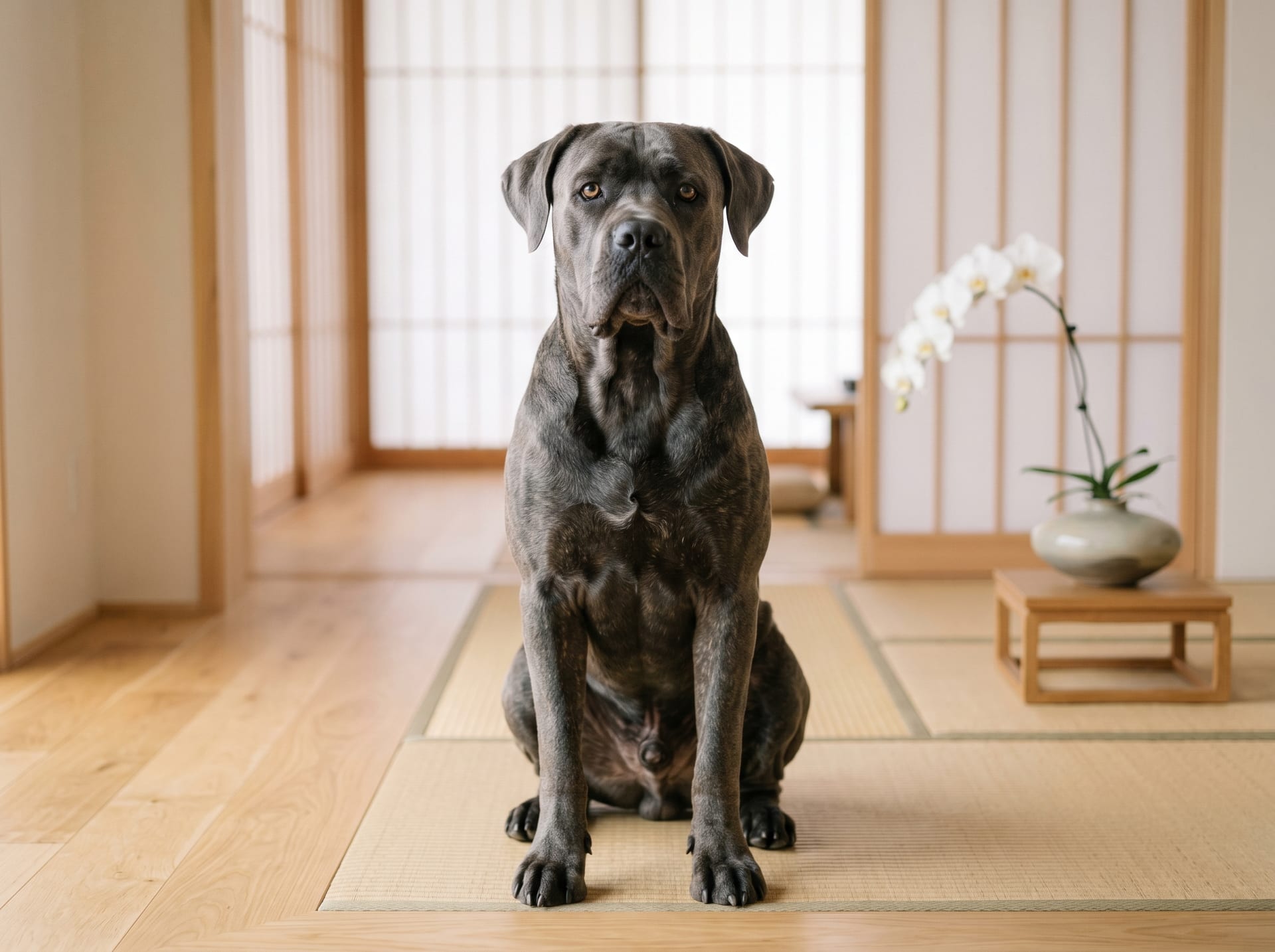
Cane Corso
Italian large mastiff. Muscular and dignified, extremely loyal to family.
View Cane Corso encyclopedia →- Price Range
- ¥200,000〜¥548,000
0% commission on your first sales!Register by September 30, 2026 and your first 2 sales are commission-free!
Breeder Wanted!
List on BreederDirect and sell directly to customers nationwide!
4 Trust Pillars from BreederDirect
All puppy listings include full disclosure from verified Breeder. BreederDirect enforces legally-mandated standards for safe, transparent direct purchases.
- MicrochipRequired
- Vaccinated
- Health Exam
- Pedigree Certificate
※ Microchip implantation is mandatory for breeders under Japan's Animal Protection Law (effective June 2022).
Secure transaction guarantee
Dogs & cats onlyEvery BreederDirect transaction is covered by our transaction guarantee. If you cannot receive your pet, you will be fully refunded. A health guarantee also covers you after handover.
Learn about transaction safety →Browse all 129 breeds
Verified breeders wanted for Dogs
Breeders are signing up now ahead of launch. Subscribe to be notified when new listings go live.
Getting alerts is free with a member account. When new listings match your saved search, we'll notify you by email and in-app.
Browse other categories
Verified breeders (preview)


Cane Corso key facts
- Care level
- Advanced
- Lifespan
- 9-12 years
- Size
- 40-50kg
- Diet
- Large breed food with joint support
- Temperament
- Loyal, calm, strong protective instinct
- Exercise
- 60+ minutes of daily walks
- Coat Care
- Short coat, easy maintenance
- Origin
- Italy
- Notes
- For experienced owners, socialization and training crucial
About Cane Corso
The Cane Corso traces its roots to ancient Rome, descending from Molosser-type dogs used in warfare, hunting, and as estate guardians. After developing distinctly on the Italian peninsula, the breed nearly vanished in the 20th century before dedicated enthusiasts revived it, earning international recognition in the 1980s and 1990s. Physically, the Cane Corso is defined by a large, broad head, wide chest, and sculpted musculature beneath a short, dense coat that comes in black, gray, fawn, and brindle varieties. Temperamentally, it is deeply affectionate and loyal to its family while remaining naturally reserved or alert around strangers, making it an effective guardian. Though not inherently aggressive, its imposing presence means that proper training and early socialization are essential. For owners prepared to invest the time and commitment a large, powerful breed demands, the Cane Corso offers an exceptionally rewarding and deeply bonded companionship.
7 things to know before welcoming a Cane Corso
1Needs Ample Space
As an adult weighing 40–50 kg, the Cane Corso requires a spacious living environment and daily exercise. Apartment living is challenging; a house with a yard is ideal. Insufficient exercise can lead to stress and behavioral issues.
2Needs a Firm Leader
With a strong will and independent nature, the Cane Corso requires an owner who can provide consistent, confident leadership. First-time dog owners may find this breed challenging. Early socialization and obedience training are key to a well-mannered adult.
3Strong Guarding Instinct
Cane Corsos are naturally wary of strangers and unfamiliar animals, and may overreact without proper socialization. Exposing puppies to a variety of people, environments, and sounds from an early age is important. With the right upbringing, they become composed and discerning guard dogs.
4Joint Health Concerns
Cane Corsos are prone to hip and elbow dysplasia, common in large breeds. Avoiding excessive exercise in puppies and maintaining a healthy weight reduce joint strain. Food with joint support supplements is recommended, and regular vet checkups support early detection.
5Higher Feeding and Vet Costs
Monthly food costs can be 2–3 times higher than for small breeds due to the Cane Corso's size. Veterinary expenses also tend to increase with body weight, including medication dosages and procedures. Pet insurance and long-term financial planning are strongly recommended.
6Building Bonds with Children
Cane Corsos can be deeply affectionate with family children, but their large size poses a risk of accidentally knocking over small kids. Adult supervision during playtime and teaching children how to interact respectfully with the dog are essential. Early exposure to children helps build a strong, trusting bond.
7Drool and Coat Care
Like many Mastiff-type breeds, the Cane Corso can drool significantly due to its loose jowls, requiring daily cleanup. The short coat is relatively easy to maintain, though shedding increases during seasonal changes. Regular ear cleaning, nail trimming, and teeth brushing are also important for overall health.
Frequently asked questions about Cane Corso
- Q.Can first-time dog owners keep a Cane Corso?
- A.The Cane Corso's independent nature and large size make it a challenging breed for first-time owners. With consistent guidance from an experienced trainer, some beginners can manage, but thorough preparation and commitment are essential.
- Q.Does the Cane Corso get along with children and other pets?
- A.When raised together from puppyhood or properly socialized, Cane Corsos can develop good relationships with children and other dogs. However, due to their size, interactions with small children should always be supervised by an adult. Introducing new pets gradually and carefully is strongly recommended.
- Q.How much daily exercise does a Cane Corso need?
- A.Adult Cane Corsos generally benefit from around 60–90 minutes of walking and activity per day. Growing puppies should avoid excessive long-distance walks or high-impact jumping to protect developing joints. Combining physical exercise with mental stimulation such as training sessions or puzzle toys helps maintain a calm demeanor.
- Q.What is the Cane Corso's lifespan and common health concerns?
- A.The average lifespan is 9–12 years. Health concerns to watch for include hip dysplasia, bloat (GDV), and entropion (inward-rolling eyelids), all of which are more common in large, deep-chested breeds. Regular veterinary check-ups and maintaining a healthy body weight contribute significantly to long-term wellbeing.
- Q.How much variation is there in coat color and size?
- A.Coat colors include black, gray (formentino), tawny, and brindle, and some individuals display a darker mask around the muzzle. Males typically weigh 45–50 kg and females 40–45 kg, though variation exists depending on lineage and individual genetics. Both physical build and temperament are strongly influenced by breeding practices and bloodlines.
Useful tools for Cane Corso care
Learn more about Cane Corso in the encyclopedia
View Cane Corso encyclopedia entry →
Care difficulty, lifespan, size and diet — all basics covered.
More in this category
Can't find the one you're looking for?
Post your wishes for free and breeders with matching animals will contact you with introductions.