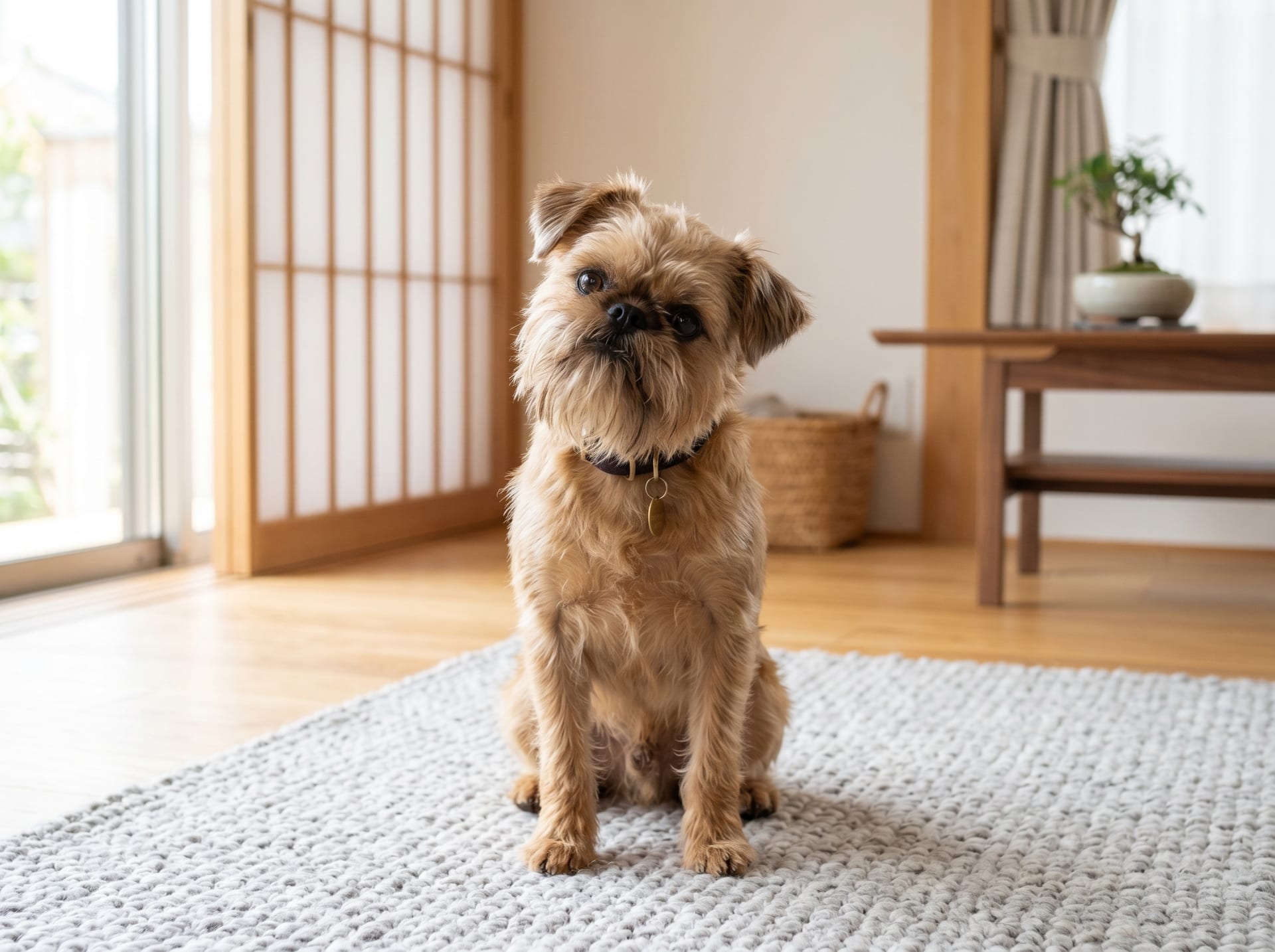
Brussels Griffon
Expressive-faced toy dog with rich sensitivity to owner's emotions. Smooth and rough coat varieties.
View Brussels Griffon encyclopedia →- Price Range
- ¥200,000〜¥548,000
0% commission on your first sales!Register by September 30, 2026 and your first 2 sales are commission-free!
Breeder Wanted!
List on BreederDirect and sell directly to customers nationwide!
4 Trust Pillars from BreederDirect
All puppy listings include full disclosure from verified Breeder. BreederDirect enforces legally-mandated standards for safe, transparent direct purchases.
- MicrochipRequired
- Vaccinated
- Health Exam
- Pedigree Certificate
※ Microchip implantation is mandatory for breeders under Japan's Animal Protection Law (effective June 2022).
Secure transaction guarantee
Dogs & cats onlyEvery BreederDirect transaction is covered by our transaction guarantee. If you cannot receive your pet, you will be fully refunded. A health guarantee also covers you after handover.
Learn about transaction safety →Browse all 129 breeds
Verified breeders wanted for Dogs
Breeders are signing up now ahead of launch. Subscribe to be notified when new listings go live.
Getting alerts is free with a member account. When new listings match your saved search, we'll notify you by email and in-app.
Browse other categories
Verified breeders (preview)
Brussels Griffon key facts
- Care level
- Intermediate
- Lifespan
- 12-15 years
- Size
- Height 18-20cm / Weight 3-5kg
- Diet
- High-quality toy-breed food. Small meals multiple times daily.
- Temperament
- Highly sensitive and delicate. Deep attachment; bonds strongly with one person.
- Exercise
- 20-30 min walk daily. Enjoys indoor play.
- Coat Care
- Rough coat: brush 2-3 times weekly. Smooth coat: weekly brushing sufficient.
- Origin
- Belgium
- Notes
- Sensitive to environmental changes. Prone to respiratory issues and difficult births.
About Brussels Griffon
The Brussels Griffon traces its origins to 19th-century Belgium, where small ratting dogs kept horse stables free of vermin. Through selective crosses with breeds such as the Affenpinscher and Pug, the distinctive flat face and expressive beard we know today gradually emerged. Weighing around 3–5 kg, the breed comes in two coat types — smooth and rough — in colours including black, red, and belge (a reddish-brown with a dark overlay). Griffons are highly sensitive and keenly attuned to human emotion, earning them the occasional nickname "the little people of the dog world," though their independent streak means patient, reward-based training is essential. Exercise needs are modest; indoor play combined with short daily walks is generally sufficient, making them well suited to apartment life in urban settings. Their utterly unique appearance paired with a deep capacity for affection makes the Brussels Griffon a breed that tends to inspire lifelong devotion.
7 things to know before welcoming a Brussels Griffon
1Fragile Bones of a Tiny Dog
Weighing just 3–5 kg with delicate bones, Brussels Griffons are prone to fractures from jumping off furniture or being held incorrectly. Use ramps or steps near sofas and stairs, and be especially careful in households with young children.
2A One-Person Velcro Dog
Griffons often bond intensely with one person and can struggle with being left alone. Prolonged isolation may lead to separation anxiety, so it is important to gradually accustom them to alone time from puppyhood.
3Brachycephalic Breathing Concerns
As a brachycephalic breed with a flat, pushed-in muzzle, Griffons can easily become breathless in hot weather or after vigorous exercise. Keep indoor temperatures cool in summer and limit outdoor activity to cooler parts of the day.
4Grooming Differs by Coat Type
Smooth-coated Griffons need only one or two brushing sessions a week, while rough-coated ones have wiry, tangle-prone fur that benefits from daily brushing and regular professional trimming. Consider the coat type when planning your grooming routine and budget.
5Eyes Need Daily Attention
Their large, prominent eyes are susceptible to injury and prone to discharge and tear staining. Make a habit of gently wiping around the eyes each day, and consult a vet promptly if you notice redness or increased discharge.
6Smart but Stubborn
Griffons are intelligent but independent-minded and may simply ignore commands when they are not in the mood. Reward-based training works far better than punishment; short, frequent sessions help them learn without frustration.
7Estimated Ownership Costs
As a rare breed, puppy prices typically range from ¥300,000 to ¥800,000, with rough-coated individuals often at the higher end. Monthly upkeep including food, grooming, and routine veterinary care generally runs ¥20,000–¥40,000.
Frequently asked questions about Brussels Griffon
- Q.Do Brussels Griffons shed a lot?
- A.Smooth-coated Griffons shed a moderate amount, while rough-coated individuals shed relatively little. However, the rough coat requires regular professional trimming, so grooming care is necessary for both types.
- Q.Can they live well with other pets or children?
- A.With proper socialization, Griffons can coexist with other dogs and cats. Around small children, however, close supervision is advised due to the risk of injury from rough handling. Introductions should always be done carefully and gradually.
- Q.Are they suitable for people living alone?
- A.Their tendency to bond closely with one person can make them a good match for solo owners. That said, frequent long absences increase the risk of separation anxiety, so your ability to spend adequate time at home is an important factor to consider.
- Q.What is their typical lifespan?
- A.The average lifespan is approximately 12–15 years. Staying attentive to respiratory issues and eye conditions common in brachycephalic breeds, along with routine veterinary check-ups and weight management, supports a long and healthy life.
- Q.Should I choose a smooth or rough coat?
- A.If you enjoy hands-on grooming and love the distinctive bearded look, the rough coat is very appealing. If you prefer lower-maintenance care, the smooth coat may be more practical. There is no significant personality difference between the two, so appearance preference and grooming capacity are the main deciding factors.
Useful tools for Brussels Griffon care
Learn more about Brussels Griffon in the encyclopedia
View Brussels Griffon encyclopedia entry →
Care difficulty, lifespan, size and diet — all basics covered.
More in this category
Can't find the one you're looking for?
Post your wishes for free and breeders with matching animals will contact you with introductions.