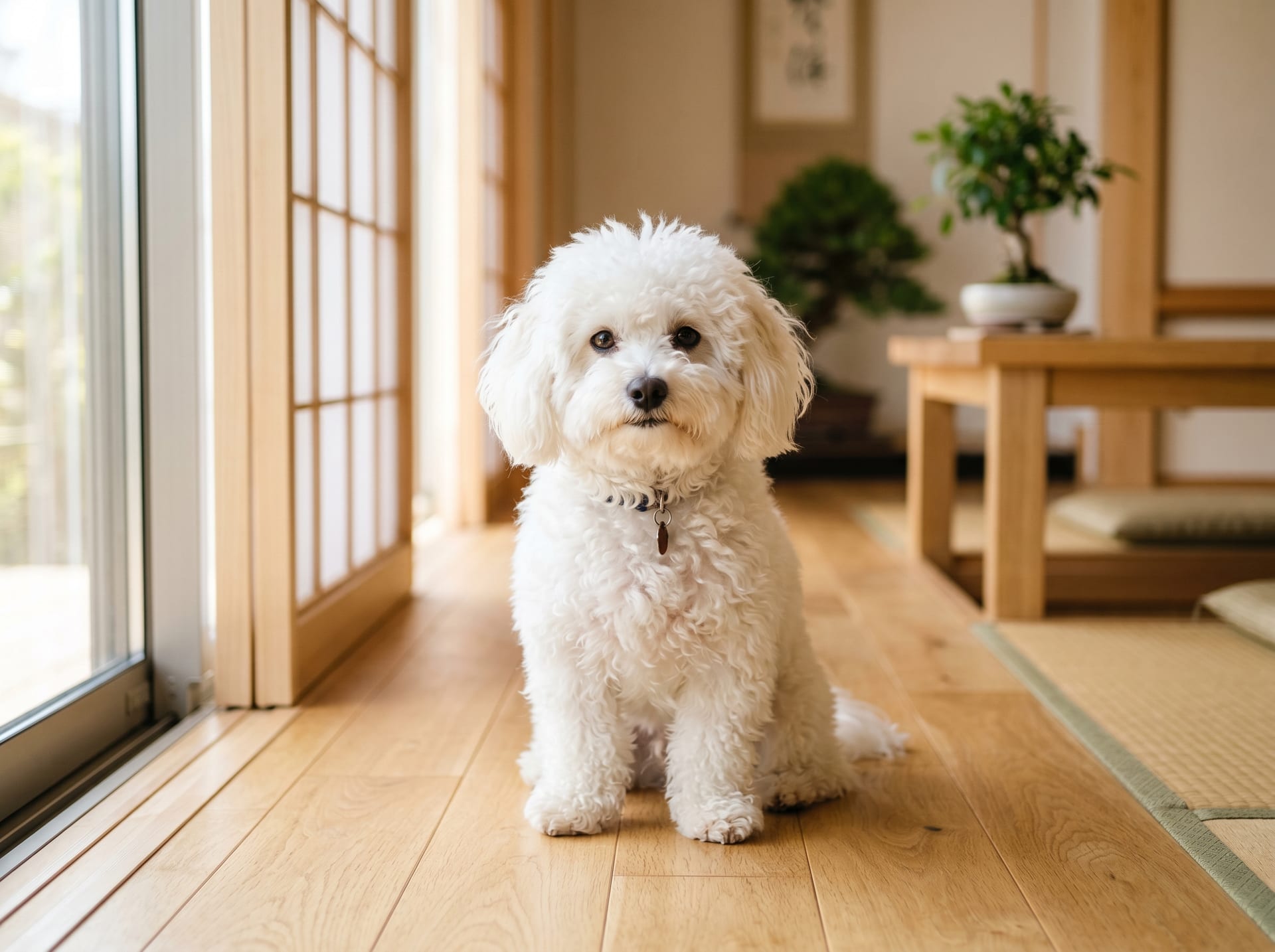
Bolognese
White small breed from Bologna, Italy. Fluffy coat with calm and affectionate personality.
View Bolognese encyclopedia →- Price Range
- ¥200,000〜¥548,000
0% commission on your first sales!Register by September 30, 2026 and your first 2 sales are commission-free!
Breeder Wanted!
List on BreederDirect and sell directly to customers nationwide!
4 Trust Pillars from BreederDirect
All puppy listings include full disclosure from verified Breeder. BreederDirect enforces legally-mandated standards for safe, transparent direct purchases.
- MicrochipRequired
- Vaccinated
- Health Exam
- Pedigree Certificate
※ Microchip implantation is mandatory for breeders under Japan's Animal Protection Law (effective June 2022).
Secure transaction guarantee
Dogs & cats onlyEvery BreederDirect transaction is covered by our transaction guarantee. If you cannot receive your pet, you will be fully refunded. A health guarantee also covers you after handover.
Learn about transaction safety →Browse all 129 breeds
Verified breeders wanted for Dogs
Breeders are signing up now ahead of launch. Subscribe to be notified when new listings go live.
Getting alerts is free with a member account. When new listings match your saved search, we'll notify you by email and in-app.
Browse other categories
Verified breeders (preview)
Bolognese key facts
- Care level
- Beginner-friendly
- Lifespan
- 12-14 years
- Size
- 2.5-4kg
- Diet
- Dry food, small portions
- Temperament
- Calm, affectionate, devoted to owner
- Exercise
- Indoor play and short walks
- Coat Care
- Fluffy white coat, daily brushing
- Origin
- Italy
- Notes
- Prone to separation anxiety, watch for tear staining
About Bolognese
The Bolognese is a small dog breed originating from Bologna, a city in northern Italy, with a rich history dating back to the 14th and 15th centuries among European aristocracy. Said to have been cherished by royalty including Maria Theresa and Philip II of Spain, the breed frequently appeared in period paintings. Its characteristic fluffy white wavy coat sheds minimally, making it a relatively suitable choice for those with mild allergies. Weighing between 2.5 and 4 kg, the Bolognese has a rounded face with dark expressive eyes that give it an endearing appearance. In temperament, it is calm, emotionally attuned, and deeply devoted to its family, while remaining naturally cautious around strangers. Its tendency to bark moderately and its non-aggressive nature make it well-suited to apartment life. Although rare and not always easy to find, the Bolognese rewards patient, loving owners with loyal companionship for 12 to 14 years.
7 things to know before welcoming a Bolognese
1Coat Care & Low Shedding
Bolognese coats shed very little but tangle easily, making daily brushing essential. Regular professional grooming every 2–3 months can keep the coat manageable. Because the white fur shows dirt readily, bathing once or twice a month helps maintain cleanliness.
2Prone to Separation Anxiety
Bolognese tend to form strong attachments to their owners and can struggle with long periods alone. Gradual alone-time training from puppyhood helps prevent anxiety from developing. This breed suits households where someone is home frequently or multiple family members can share time with the dog.
3Moderate Exercise Needs
Bolognese do not require intense exercise; two short walks totaling around 30–40 minutes per day is generally sufficient. They enjoy indoor play and puzzle toys, which can substitute on rainy days. Daily activity is still important, however, to help prevent weight gain.
4Watch for Tear Staining
The white coat makes tear staining around the eyes particularly visible. Gently wiping the eye area daily with a damp cotton pad can prevent buildup and staining. A sudden increase in discharge may indicate an underlying eye issue, so consulting a veterinarian is advisable if it worsens.
5Gentle, Patient Training
Bolognese are intelligent and eager to please, but also sensitive, making positive reinforcement more effective than correction-based methods. Teaching basic commands such as sit and stay early on makes daily handling much easier. Consistency across all family members is key to avoiding confusion.
6Estimated Ownership Costs
Monthly running costs including food, grooming, and supplies typically range from around ¥10,000 to ¥20,000. Annual veterinary expenses such as vaccinations and check-ups often add another ¥10,000–¥30,000 per year. Considering pet insurance can help manage unexpected medical costs.
7Choosing a Responsible Breeder
Bolognese litters are relatively uncommon in Japan, so finding a reputable breeder takes time. Ask about the health history of parent dogs and whether genetic health testing has been performed. Choosing a breeder who welcomes visits allows you to assess the puppies' socialization and living conditions firsthand.
Frequently asked questions about Bolognese
- Q.How much does a Bolognese bark?
- A.The Bolognese is considered a relatively quiet breed and is not known for excessive barking. However, they may vocalize when anxious or startled, so early socialization is important to keep this in check.
- Q.Can a Bolognese be kept by someone living alone?
- A.It's possible, but the Bolognese strongly craves human companionship. Frequent or prolonged time alone can lead to separation anxiety, so this breed suits those who work from home or can arrange a pet sitter when away.
- Q.How often does a Bolognese need grooming?
- A.Daily brushing is recommended, with professional grooming needed roughly every 1–2 months. Areas behind the ears and under the forelegs are especially prone to matting and require extra attention.
- Q.Does the Bolognese get along with children and other pets?
- A.The Bolognese's gentle nature generally makes it compatible with other pets and children. However, due to its small size, rough handling by young children can risk injury. It's important to establish clear rules for interaction with the whole family.
- Q.Are there common health issues to watch for?
- A.The Bolognese is generally a healthy breed, but like many small dogs, it can be prone to patellar luxation and dental disease. Some individuals are also prone to tear staining, so regular cleaning around the eyes is advisable.
Useful tools for Bolognese care
Learn more about Bolognese in the encyclopedia
View Bolognese encyclopedia entry →
Care difficulty, lifespan, size and diet — all basics covered.
More in this category
Can't find the one you're looking for?
Post your wishes for free and breeders with matching animals will contact you with introductions.