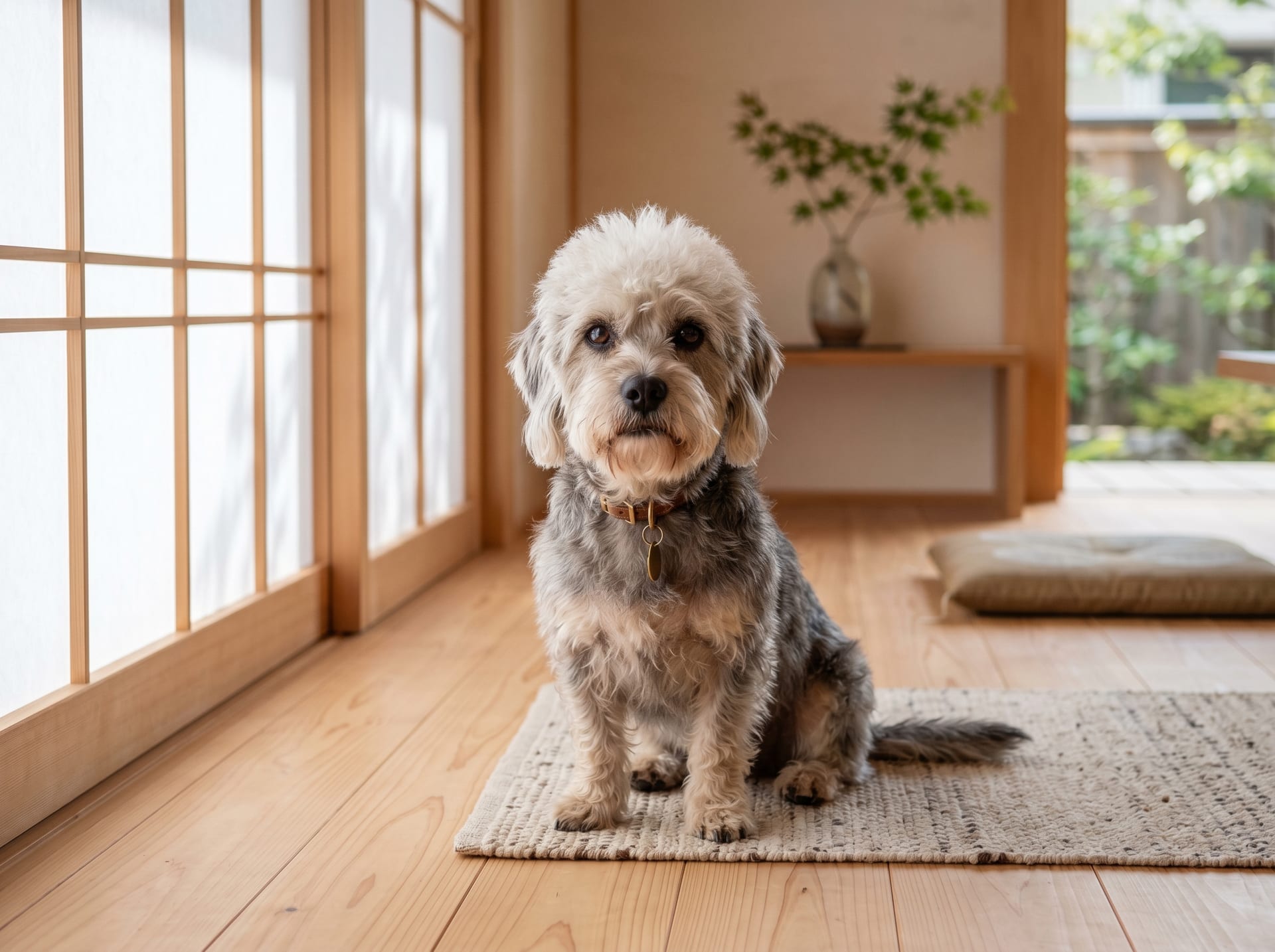
Scottish terrier with distinctive top-knot and long-bodied short-legged build. Gentle and endearing.
View Dandie Dinmont Terrier encyclopedia →First 3 sales - 0% commission!Register as a breeder by July 31, 2026 and your first 3 sales are commission-free!
Breeder Wanted!
List on BreederDirect and sell directly to customers nationwide!
All puppy listings include full disclosure from verified Breeder. br-choku enforces legally-mandated standards for safe, transparent direct purchases.
※ Microchip implantation is mandatory for breeders under Japan's Animal Protection Law (effective June 2022).
Every br-choku transaction is covered by our transaction guarantee. If you cannot receive your pet, you will be fully refunded. A health guarantee also covers you after handover.
Breeders are signing up now ahead of launch. Subscribe to be notified when new listings go live.
Getting alerts is free with a member account. When new listings match your saved search, we'll notify you by email and in-app.
Are you raising dogs?
Register as a breeder and connect with buyers directly.
The Dandie Dinmont Terrier has its roots in the Cheviot Hills along the Scottish-English border, where it was developed in the 18th century to hunt badgers and otters. Its name derives from a farmer character in Sir Walter Scott's 1814 novel "Guy Mannering," making it one of the first dog breeds to be named after a fictional character. The breed's most striking features are its large, silky white topknot, long low body, and round, soulful eyes. The coat comes in two colors: pepper (bluish grey) and mustard (warm yellowish brown). In temperament, Dandies are notably calmer than most terriers — affectionate with family yet reserved toward strangers, and less prone to excessive barking. Their rarity only adds to their appeal among dedicated enthusiasts who are drawn to their rich history and unmistakable character.
1One of the Rarest Breeds
The Dandie Dinmont Terrier is listed as a Vulnerable Native Breed in the UK, with very few puppies registered each year. In Japan, breeders are extremely scarce, so prospective owners should be prepared for a potentially long wait to find a puppy.
2Long Back, Short Legs
Like Dachshunds, the Dandie's long spine and short legs put it at risk for intervertebral disc disease (IVDD). Limiting stair climbing, preventing jumps from height, and maintaining a healthy weight are key preventive measures.
3Independent Thinking
Like many terriers, Dandies have a stubborn, independent streak and can lose interest in repetitive drills. Short, reward-based training sessions started in puppyhood, along with early socialization, produce the best results.
4Hand-Stripping Required
The Dandie's wiry body coat requires hand-stripping rather than clipping to maintain correct texture and color. Groomers skilled in this technique are relatively rare, so it is important to locate a suitable salon before bringing your dog home.
5Moderate Exercise Needs
Despite their small size, Dandies were bred for hunting and need daily walks of around 30 minutes plus interactive play. High-impact exercise should be avoided to protect their spines; flat-surface walking is ideal and vigorous play at dog parks should be kept moderate.
View Dandie Dinmont Terrier encyclopedia entry →
Care difficulty, lifespan, size and diet — all basics covered.
6Household Pet Compatibility
Bred originally to hunt badgers and otters, Dandies may instinctively chase small pets such as hamsters or rabbits. With early socialization they generally coexist well with other dogs, though same-sex combinations can sometimes be challenging depending on individual temperament.
7Cost Expectations
As a rare breed, puppy prices are typically in the range of 300,000–600,000 yen. Budget for regular hand-stripping grooming appointments and routine veterinary check-ups that include spinal health monitoring.