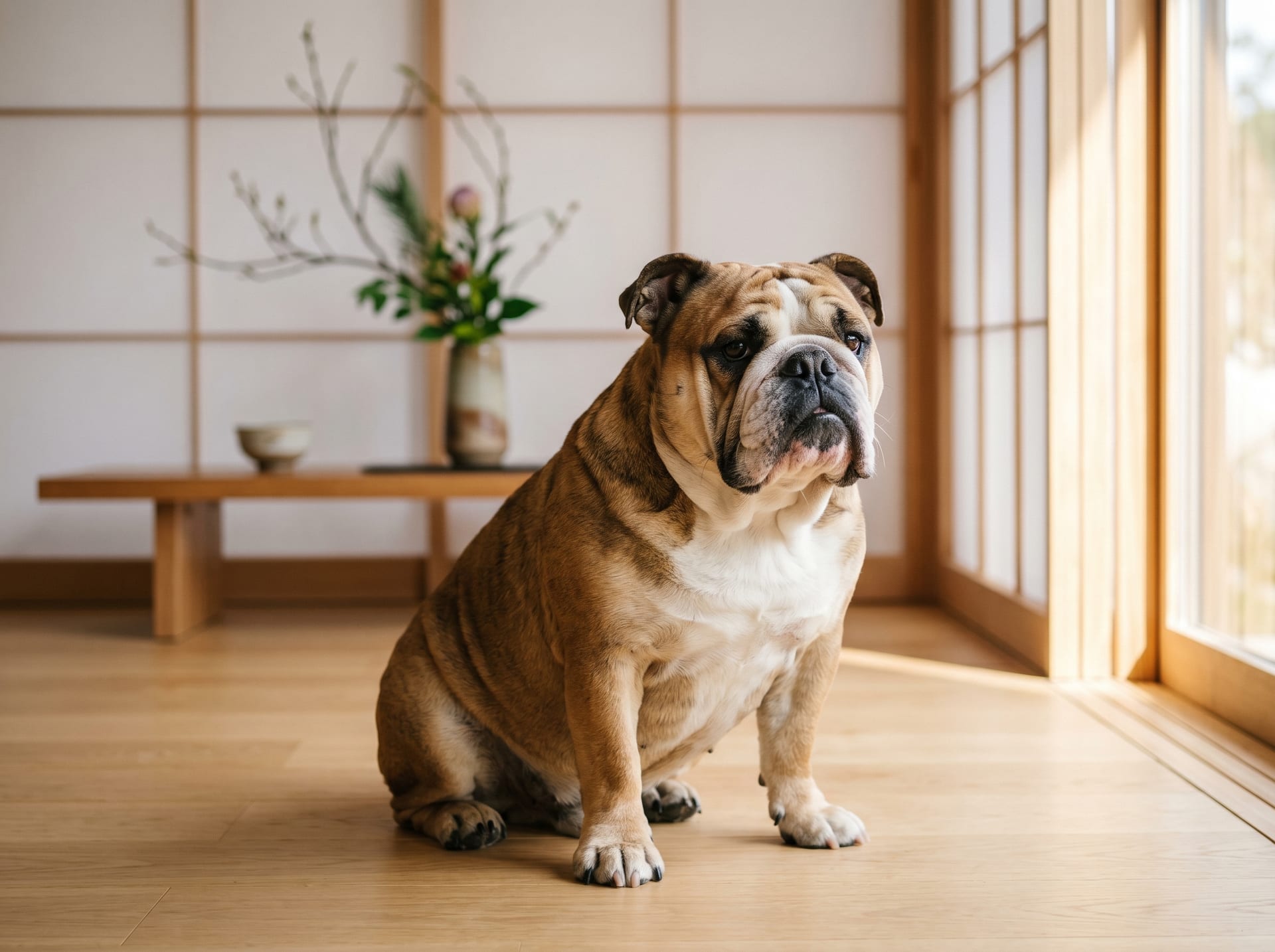
English Bulldog
Stocky build with wrinkled face. Extremely gentle despite tough appearance.
View English Bulldog encyclopedia →- Price Range
- ¥200,000〜¥548,000
0% commission on your first sales!Register by September 30, 2026 and your first 2 sales are commission-free!
Breeder Wanted!
List on BreederDirect and sell directly to customers nationwide!
4 Trust Pillars from BreederDirect
All puppy listings include full disclosure from verified Breeder. BreederDirect enforces legally-mandated standards for safe, transparent direct purchases.
- MicrochipRequired
- Vaccinated
- Health Exam
- Pedigree Certificate
※ Microchip implantation is mandatory for breeders under Japan's Animal Protection Law (effective June 2022).
Secure transaction guarantee
Dogs & cats onlyEvery BreederDirect transaction is covered by our transaction guarantee. If you cannot receive your pet, you will be fully refunded. A health guarantee also covers you after handover.
Learn about transaction safety →Browse all 129 breeds
Verified breeders wanted for Dogs
Breeders are signing up now ahead of launch. Subscribe to be notified when new listings go live.
Getting alerts is free with a member account. When new listings match your saved search, we'll notify you by email and in-app.
Browse other categories
Verified breeders (preview)


English Bulldog key facts
- Care level
- Intermediate
- Lifespan
- 8-12 years
- Size
- Height 31-40cm / Weight 18-25kg
- Diet
- High-quality medium-breed food. Strict calorie control essential.
- Temperament
- Gentle and affectionate. Patient and good with children.
- Exercise
- 20-30 min gentle walk daily. Keep indoors with AC during hot weather.
- Coat Care
- Short coat, easy care. Daily cleaning between facial folds essential.
- Origin
- United Kingdom
- Notes
- Severely brachycephalic; heat-sensitive. Natural birth difficult; C-section common.
About English Bulldog
The Bulldog's origins trace back to medieval England, where the breed was used in bull-baiting competitions. After the sport was banned in the 19th century, breeders selectively developed the calm, affectionate temperament we know today, stripping away the aggression while preserving the breed's distinctive appearance. The modern Bulldog is recognized by its stocky, low-slung body, broad head, deep facial wrinkles, and characteristic rolling gait. Standing 31–40 cm tall and weighing 18–25 kg, it falls into the medium-size category. Despite a formidable look, the Bulldog is famously gentle and loving, getting along well with children, seniors, and other pets. Their low exercise requirements and quiet indoor nature make them well-suited for apartment living. Prospective owners should be aware of the breed's sensitivity to heat and tendency toward certain health conditions, but those who embrace the daily care routines often find the bond with a Bulldog to be exceptionally deep and rewarding.
7 things to know before welcoming a English Bulldog
1Highly Sensitive to Heat
As a brachycephalic breed, Bulldogs have narrow airways that make regulating body temperature difficult. Air conditioning is essential in summer, and outdoor exercise during the heat of the day should be avoided. Walks should be limited to early morning or evening during hot months to reduce the risk of heatstroke.
2Wrinkle Maintenance Required
Moisture and debris easily accumulate inside facial wrinkles, leading to skin irritation or odor if neglected. Cleaning between the folds with a soft cloth or pet-safe wipe a few times a week is recommended. Making this part of your routine helps prevent common skin infections.
3Prone to Weight Gain
Bulldogs have relatively low activity levels, making them prone to gaining excess weight if overfed. Extra weight places additional strain on their joints and already-compromised breathing. Monitoring portion sizes carefully and consulting your vet on calorie requirements is essential for keeping them healthy.
4Higher Veterinary Costs
Bulldogs are genetically predisposed to several health issues, including brachycephalic airway syndrome, skin conditions, and hip dysplasia. Veterinary costs can be higher than average, so enrolling in pet insurance early is worth considering. Planning ahead for ongoing medical expenses will help you provide the best care possible.
5Short Exercise Sessions Suffice
Bulldogs do well with about 20–30 minutes of gentle walking per day and do not require intense exercise. Strenuous activity or long runs can put undue stress on their breathing and joints. Light indoor play also counts toward their daily activity, making them a good fit for a relaxed lifestyle.
6Loud Snoring and Snorting
Due to their brachycephalic anatomy, Bulldogs frequently snore loudly and produce snorting sounds throughout the day. In most cases this is a normal trait of the breed, but pronounced breathing difficulties should be evaluated by a vet. If you plan to share a bedroom, be prepared for some noise.
7Start Training Early
Bulldogs can have a stubborn streak, making training more challenging if started in adulthood. Beginning consistent positive-reinforcement training during puppyhood helps build good social skills and basic manners. Short, frequent sessions with a calm and patient approach tend to yield the best results.
Frequently asked questions about English Bulldog
- Q.Can Bulldogs live comfortably in an apartment?
- A.Yes, Bulldogs can thrive in apartments as long as they receive moderate daily exercise and the indoor temperature is kept cool. They tend to be quiet and low-energy, making them one of the more apartment-friendly breeds. Reliable air conditioning during summer is a must.
- Q.What is the typical lifespan of a Bulldog?
- A.Bulldogs typically live 8–12 years. Because the breed carries specific health risks associated with its brachycephalic structure, regular veterinary check-ups and weight management play a significant role in longevity. Attentive care can help maximize their healthy years.
- Q.Do Bulldogs get along with other pets?
- A.Bulldogs are generally easygoing and can coexist well with other dogs and cats when properly socialized from a young age. Introducing them to other animals gradually and calmly is recommended. As with any breed, individual temperament varies, so supervised introductions are always a good idea.
- Q.How much do Bulldog puppies typically cost?
- A.In Japan, Bulldog puppies typically range from around 200,000 to 500,000 yen, with prices varying based on lineage and coat color. In addition to the purchase price, budget for vaccinations, health checks, and supplies during the first year. When buying directly from a breeder, always verify the breeding conditions in person.
- Q.Are Bulldogs suitable for first-time dog owners?
- A.Bulldogs can be a good choice for first-time owners thanks to their gentle temperament and moderate exercise needs. However, their specific care requirements — wrinkle cleaning, weight management, and heat precautions — should not be underestimated. With proper preparation and commitment to daily care, they make a wonderfully rewarding companion for new dog owners.
Useful tools for English Bulldog care
Learn more about English Bulldog in the encyclopedia
View English Bulldog encyclopedia entry →
Care difficulty, lifespan, size and diet — all basics covered.
More in this category
Can't find the one you're looking for?
Post your wishes for free and breeders with matching animals will contact you with introductions.