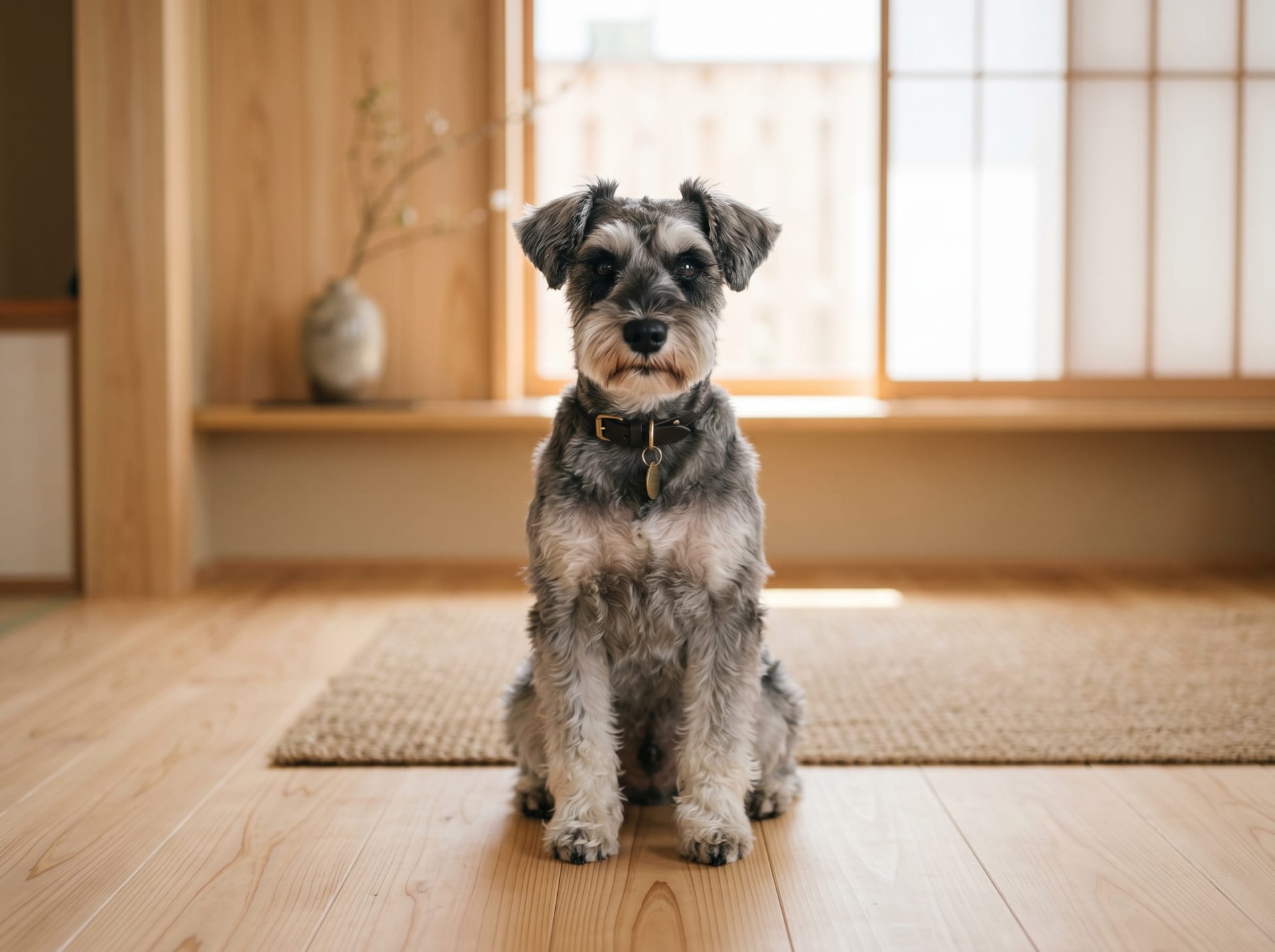
Miniature Schnauzer
Distinctive bearded small dog with low-shedding coat. Smart, trainable, and excellent watchdog.
View Miniature Schnauzer encyclopedia →- Price Range
- ¥200,000〜¥548,000
0% commission on your first sales!Register by September 30, 2026 and your first 2 sales are commission-free!
Breeder Wanted!
List on BreederDirect and sell directly to customers nationwide!
4 Trust Pillars from BreederDirect
All puppy listings include full disclosure from verified Breeder. BreederDirect enforces legally-mandated standards for safe, transparent direct purchases.
- MicrochipRequired
- Vaccinated
- Health Exam
- Pedigree Certificate
※ Microchip implantation is mandatory for breeders under Japan's Animal Protection Law (effective June 2022).
Secure transaction guarantee
Dogs & cats onlyEvery BreederDirect transaction is covered by our transaction guarantee. If you cannot receive your pet, you will be fully refunded. A health guarantee also covers you after handover.
Learn about transaction safety →Browse all 129 breeds
Verified breeders wanted for Dogs
Breeders are signing up now ahead of launch. Subscribe to be notified when new listings go live.
Getting alerts is free with a member account. When new listings match your saved search, we'll notify you by email and in-app.
Browse other categories
Verified breeders (preview)

Miniature Schnauzer key facts
- Care level
- Beginner-friendly
- Lifespan
- 12-15 years
- Size
- Height 30-36cm / Weight 4-8kg
- Diet
- High-quality small-breed food. Watch fat intake.
- Temperament
- Smart, active, and loyal. Has watchdog instinct and may bark at strangers.
- Exercise
- 30-60 min walk daily. Enjoys mental stimulation through training and games.
- Coat Care
- Wire-haired with low shedding. Regular trimming every 6-8 weeks needed.
- Origin
- Germany
- Notes
- Prone to pancreatitis and urinary stones. Avoid high-fat food; regular checkups.
About Miniature Schnauzer
The Miniature Schnauzer originated in Germany in the late 19th century, developed by selectively breeding the Standard Schnauzer down in size. Originally prized as a ratter and farm watchdog, the breed retains the sturdy build and alertness that defined its working roots. Compact at 30 to 35 centimeters in height but well-muscled, the Miniature Schnauzer is immediately recognizable by its characteristic bushy beard, expressive eyebrows, and whiskers. Common coat colors include salt and pepper, black and silver, solid black, and white. In temperament, the breed is lively, curious, and deeply loyal to its family. It tends to be reserved around strangers while becoming affectionate and playful with those it trusts — a duality that owners find endearing. High intelligence makes this breed one of the more trainable small dogs, an advantage for first-time owners. The low-shedding coat, which is considered less likely to trigger allergies, has made the Miniature Schnauzer especially popular among urban and apartment-dwelling households.
Featured breeders for Miniature Schnauzer
See all Miniature Schnauzer breeders (1) →7 things to know before welcoming a Miniature Schnauzer
1Regular Grooming Is a Must
The Miniature Schnauzer's double coat tangles easily if left unattended, which can lead to skin problems. Professional grooming every 6 to 8 weeks is recommended, combined with daily brushing at home to maintain coat condition. The beard area collects food residue after meals, so wiping it regularly is an important part of daily care.
2Managing Barking Tendencies
Bred originally as a working watchdog, the Miniature Schnauzer tends to bark at strangers and unfamiliar sounds. Early training and thorough socialization during puppyhood are key to managing this tendency. If you live in an apartment or close to neighbors, prioritizing bark training from a young age will make a significant difference.
3Pancreatitis Risk and Diet
Miniature Schnauzers are known to be prone to pancreatitis, making high-fat foods and table scraps particularly risky. A vet-recommended low-fat diet should form the basis of their meals, and treats should be carefully chosen and portioned. Regular blood panels to monitor pancreatic health are a wise precaution for this breed.
4Moderate Exercise Is Sufficient
Despite their energetic personality, two 30-minute walks per day are generally enough to meet a Miniature Schnauzer's exercise needs. Combining outdoor walks with indoor play and puzzle toys helps stimulate both body and mind. Insufficient exercise can lead to stress and behavioral issues, so consistent daily activity is important.
5Watch for Urinary Stones
Miniature Schnauzers are among the breeds prone to urinary stones, including calcium oxalate stones. Encouraging adequate water intake and using breed-specific or urinary-support diets can help reduce the risk. If you notice frequent urination, blood in the urine, or signs of discomfort when urinating, consult a veterinarian promptly.
6Prevent Boredom in a Smart Dog
Their high intelligence means Miniature Schnauzers can develop problem behaviors like chewing or incessant barking when under-stimulated. Puzzle toys, obedience training, and agility activities are effective ways to keep their minds engaged. For households with long work hours, slow-release toys like Kongs can help make alone time more manageable.
7Understanding Lifetime Costs
Beyond the initial purchase price, grooming costs of roughly 5,000 to 10,000 yen per month are an ongoing expense for this breed. Given the breed's specific health risks such as pancreatitis and urinary stones, pet insurance is worth considering. Including food, vaccinations, and wellness check-ups, budgeting 200,000 to 400,000 yen per year is a realistic estimate for total annual care costs.
Frequently asked questions about Miniature Schnauzer
- Q.Do Miniature Schnauzers shed much? Are they suitable for allergy sufferers?
- A.Miniature Schnauzers shed relatively little compared to many other breeds and are often considered more suitable for allergy sufferers. However, they are not fully hypoallergenic, as saliva and dander can still trigger reactions in sensitive individuals. It is advisable to spend time with the dog before committing to ensure there is no allergic response.
- Q.Can Miniature Schnauzers be kept in apartments?
- A.Their compact size makes them well-suited to apartment living, provided they receive adequate daily exercise. That said, Miniature Schnauzers tend to bark and have a watchdog instinct, so early training and soundproofing measures are important for keeping the peace with neighbors. Always confirm that your building permits pets before bringing one home.
- Q.How often does a Miniature Schnauzer need grooming?
- A.Professional grooming is generally recommended every 6 to 8 weeks. Daily brushing at home helps prevent tangles and skin issues between appointments. Maintaining the classic Schnauzer cut requires a degree of skill, so most owners opt to visit a professional groomer rather than attempt it themselves.
- Q.Are there any special dietary considerations for this breed?
- A.Because the breed is prone to pancreatitis, high-fat foods and human table scraps should be avoided. A high-quality, low-fat dog food forms the foundation of a healthy diet, and choosing options that also support urinary health is beneficial. Treats should be low in fat and given in controlled amounts.
- Q.Is the Miniature Schnauzer a good breed for first-time dog owners?
- A.Their high intelligence and quick learning make Miniature Schnauzers a manageable choice for first-time owners when it comes to basic obedience. However, they also have an independent streak and may resist inconsistent handling. Short, daily training sessions using positive reinforcement and rewards tend to produce the best results.
Useful tools for Miniature Schnauzer care
Learn more about Miniature Schnauzer in the encyclopedia
View Miniature Schnauzer encyclopedia entry →
Care difficulty, lifespan, size and diet — all basics covered.
Miniature Schnauzer related articles
See more Miniature Schnauzer articles →More in this category
Can't find the one you're looking for?
Post your wishes for free and breeders with matching animals will contact you with introductions.