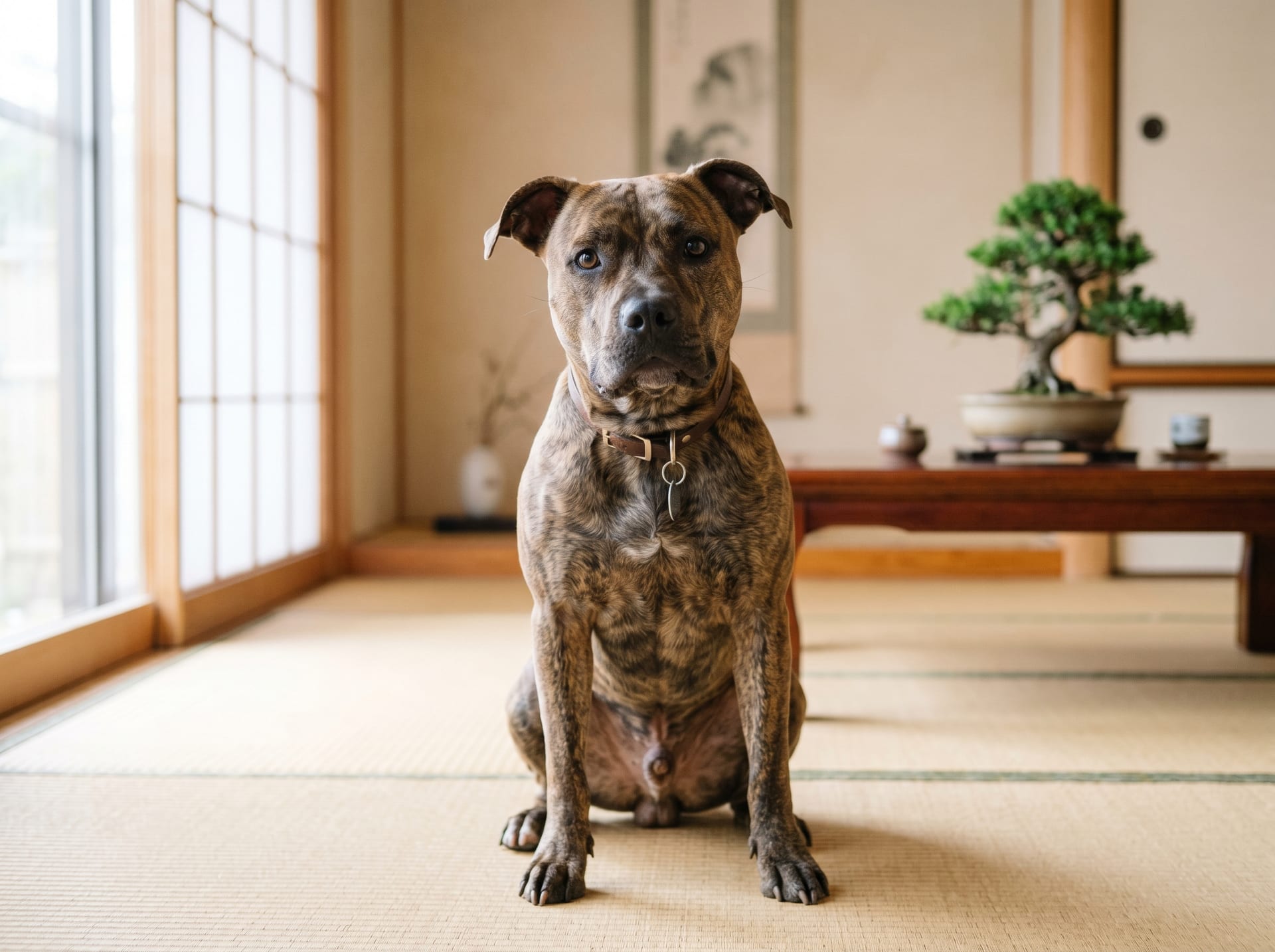
American Pit Bull Terrier
A muscular, athletic breed. With proper training and socialization, becomes a loyal and loving companion.
View American Pit Bull Terrier encyclopedia →- Price Range
- ¥200,000〜¥660,000
0% commission on your first sales!Register by September 30, 2026 and your first 2 sales are commission-free!
Breeder Wanted!
List on BreederDirect and sell directly to customers nationwide!
4 Trust Pillars from BreederDirect
All puppy listings include full disclosure from verified Breeder. BreederDirect enforces legally-mandated standards for safe, transparent direct purchases.
- MicrochipRequired
- Vaccinated
- Health Exam
- Pedigree Certificate
※ Microchip implantation is mandatory for breeders under Japan's Animal Protection Law (effective June 2022).
Secure transaction guarantee
Dogs & cats onlyEvery BreederDirect transaction is covered by our transaction guarantee. If you cannot receive your pet, you will be fully refunded. A health guarantee also covers you after handover.
Learn about transaction safety →Browse all 129 breeds
Verified breeders wanted for Dogs
Breeders are signing up now ahead of launch. Subscribe to be notified when new listings go live.
Getting alerts is free with a member account. When new listings match your saved search, we'll notify you by email and in-app.
Browse other categories
Verified breeders (preview)

American Pit Bull Terrier key facts
- Care level
- Advanced
- Lifespan
- 12-14 years
- Size
- 16-30kg
- Diet
- High-protein food, adjust to activity level
- Temperament
- Loyal, affectionate, obedient to owner
- Exercise
- 60+ minutes daily, mental stimulation needed
- Coat Care
- Short coat, easy maintenance
- Origin
- United States
- Notes
- Early socialization and training crucial, check local regulations
About American Pit Bull Terrier
The American Pit Bull Terrier is believed to have originated in 19th-century Britain through crosses between Bulldogs and terrier-type dogs, later brought to America where the breed developed its own distinct character. Historically valued on farms for pest control and as family guardians, they were once affectionately nicknamed the "nanny's dog" for their gentle nature with children. Physically, the breed is characterized by a broad, blocky head, strong jaw, compact muscular body, and a short, dense coat that comes in a wide range of colors. In temperament, Pit Bulls are intensely loyal and emotionally expressive with their owners, responding with wholehearted devotion when a trusting bond is formed. With thoughtful socialization and positive reinforcement training, this breed can thrive both as an enthusiastic exercise partner and a gentle, loving family companion.
7 things to know before welcoming a American Pit Bull Terrier
1High Exercise Needs
This breed requires 1–2 hours of vigorous exercise daily. Without adequate activity, destructive behaviors may develop, so access to a yard or dog park is ideal. Activities like jogging, tug-of-war, and fetch suit them well.
2Check Local Regulations
Some municipalities and housing complexes in Japan restrict or prohibit pit bull-type dogs. Always verify local ordinances and property rules before acquiring one. If international travel is planned, entry restrictions for this breed should also be researched.
3Early Socialization Is Key
Exposing puppies to diverse people, animals, and environments from an early age is critical. Insufficient socialization can lead to increased dog-directed aggression, so puppy classes are highly recommended. Guidance from experienced owners or professional trainers is beneficial.
4Strong Pulling Power
Adult Pit Bull Terriers can pull with considerable force, so choosing the right harness and leash is important. Leash-walking training should begin in puppyhood to maintain safe control. Extra caution is needed when walking with children or elderly individuals due to the size and strength difference.
5Dog-to-Dog Compatibility
While individual temperament varies, this breed can show tension toward same-sex or unfamiliar dogs. Multi-dog households require careful introduction and ongoing management. Owners should always supervise dog interactions and avoid leaving dogs together unsupervised.
6Joint and Skin Health
Hip dysplasia and patellar luxation are health concerns occasionally seen in this breed. The skin is thin and prone to allergies and dermatitis, so monitoring diet and skin condition regularly is important. Routine veterinary checkups help catch issues early.
7High-Protein Diet Management
A diet rich in high-quality animal protein supports muscle maintenance. Daily portions should be adjusted to activity level to prevent obesity. To reduce the risk of bloat and gastric torsion, avoid vigorous exercise immediately after meals and allow rest time following feeding.
Frequently asked questions about American Pit Bull Terrier
- Q.Is this breed suitable for first-time dog owners?
- A.While it is possible, their strength, pulling force, and training requirements make some prior dog-handling experience helpful. Consulting a professional trainer or enrolling in obedience classes is strongly recommended for new owners.
- Q.Can they live safely with children or elderly family members?
- A.Well-socialized individuals often get along well with children, but adult supervision is always necessary given the dog's size and strength. For elderly or physically limited household members, managing this breed alone may prove challenging.
- Q.Is it difficult to keep them in an apartment?
- A.They can adapt to indoor living if given sufficient outdoor exercise, but many apartment complexes restrict or prohibit the breed. Always verify your building's pet policy before bringing one home.
- Q.What health conditions should I watch for?
- A.Skin allergies, hip dysplasia, and hypothyroidism are among the conditions more commonly observed in the breed. Regular veterinary checkups and maintaining a healthy weight are the key preventive measures.
- Q.What training methods work best for this breed?
- A.Positive reinforcement using treats, praise, and play is the most effective approach. Avoid punishment-based or forceful methods, which can cause fear or resistance. Consistency and starting early are the keys to success.
Useful tools for American Pit Bull Terrier care
Learn more about American Pit Bull Terrier in the encyclopedia
View American Pit Bull Terrier encyclopedia entry →
Care difficulty, lifespan, size and diet — all basics covered.
More in this category
Can't find the one you're looking for?
Post your wishes for free and breeders with matching animals will contact you with introductions.