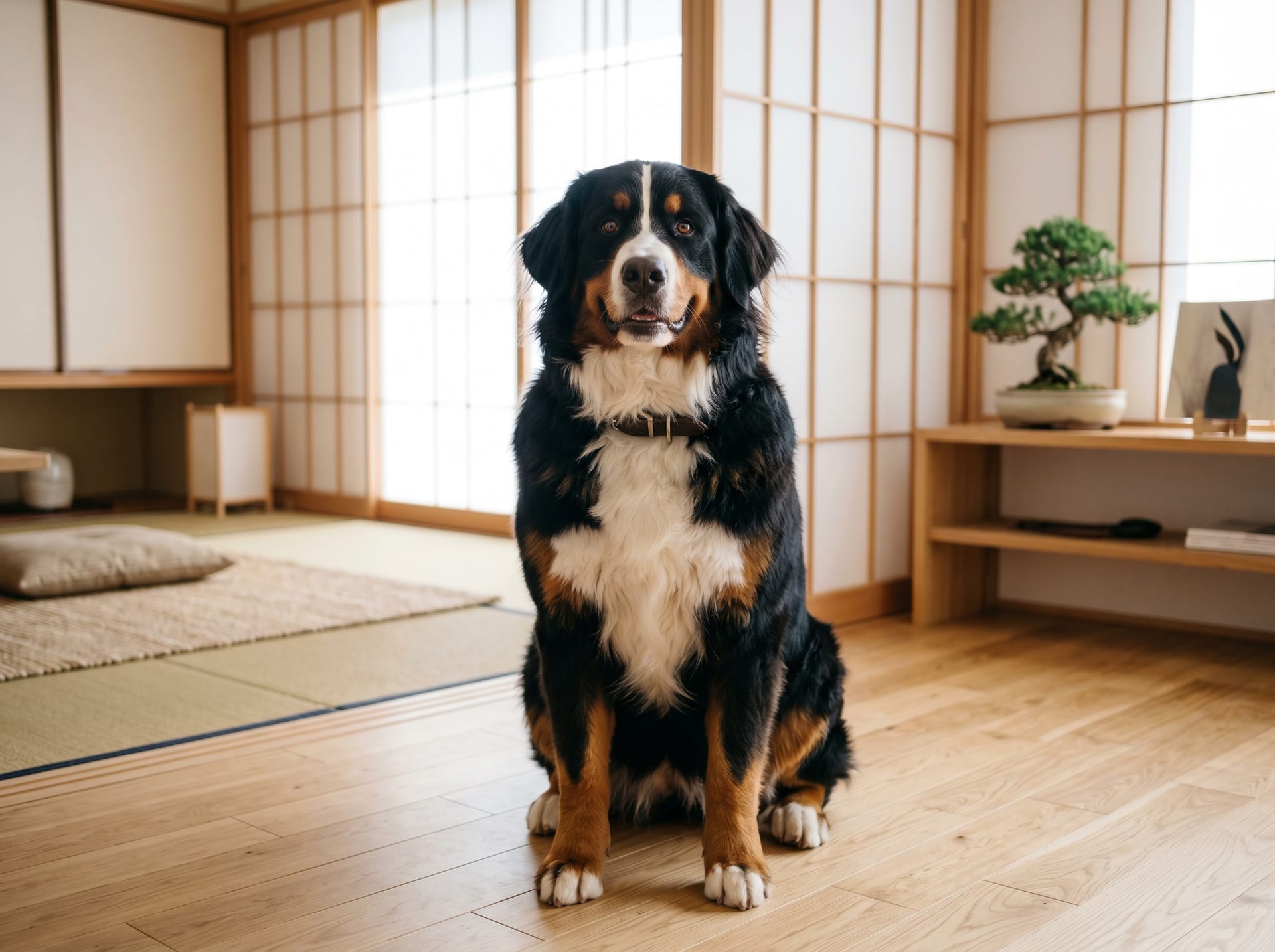
Bernese Mountain Dog
Swiss Alpine breed with beautiful tricolor coat. Gentle and loving. Unfortunately short-lived.
View Bernese Mountain Dog encyclopedia →- Price Range
- ¥200,000〜¥548,000
0% commission on your first sales!Register by September 30, 2026 and your first 2 sales are commission-free!
Breeder Wanted!
List on BreederDirect and sell directly to customers nationwide!
4 Trust Pillars from BreederDirect
All puppy listings include full disclosure from verified Breeder. BreederDirect enforces legally-mandated standards for safe, transparent direct purchases.
- MicrochipRequired
- Vaccinated
- Health Exam
- Pedigree Certificate
※ Microchip implantation is mandatory for breeders under Japan's Animal Protection Law (effective June 2022).
Secure transaction guarantee
Dogs & cats onlyEvery BreederDirect transaction is covered by our transaction guarantee. If you cannot receive your pet, you will be fully refunded. A health guarantee also covers you after handover.
Learn about transaction safety →Browse all 129 breeds
Verified breeders wanted for Dogs
Breeders are signing up now ahead of launch. Subscribe to be notified when new listings go live.
Getting alerts is free with a member account. When new listings match your saved search, we'll notify you by email and in-app.
Browse other categories
Verified breeders (preview)
Bernese Mountain Dog key facts
- Care level
- Intermediate
- Lifespan
- 6-8 years
- Size
- Height 58-70cm / Weight 32-52kg
- Diet
- High-quality large-breed food. Joint-support formulas ideal.
- Temperament
- Gentle and loving. Great with children; thrives on family togetherness.
- Exercise
- 60-90 min moderate exercise. Exercise during cool hours due to heat sensitivity.
- Coat Care
- Long beautiful double coat; heavy shedding. Brush 3-4 times weekly.
- Origin
- Switzerland
- Notes
- Very high cancer risk; short lifespan. Watch for hip dysplasia.
About Bernese Mountain Dog
The Bernese Mountain Dog traces its roots to the canton of Bern in Switzerland, where it served for centuries as a farm watchdog, herder, and draft animal that pulled carts through Alpine villages. The breed nearly disappeared in the early 20th century but was saved by dedicated breeders who recognized its unique heritage. Its most striking feature is the signature tricolor coat—jet black with crisp white and rust markings—particularly the distinctive white blaze on the chest. Adults stand 60–70 cm at the shoulder, with a sturdy, muscular frame that commands immediate attention. Temperamentally, Berners are calm, patient, and surprisingly gentle given their size, showing deep loyalty to their families while remaining friendly toward strangers. They don't demand intense exercise; moderate daily walks and quality time with family suit them well. It is this combination of majestic appearance and a warm, devoted personality that earns them the endearing nickname "gentle giant."
7 things to know before welcoming a Bernese Mountain Dog
1Space for a Large Dog
Adult Berners typically weigh 25–45 kg, so they need ample indoor space to move around comfortably. In apartments, check noise rules, floor load limits, and pet policies. A garden or nearby walking routes are a big plus.
2Sensitivity to Heat
Their dense double coat was bred for cold Alpine conditions, making Japan's hot, humid summers a real challenge. Air conditioning is essential indoors, and outdoor exercise should be limited to early morning or evening to reduce the risk of heatstroke.
3Average Lifespan: 7–8 Years
Berners have one of the shortest lifespans among large breeds, averaging just 7–8 years. It's important for the whole family to understand and accept this reality before bringing one home, and to focus on making every year as fulfilling as possible.
4Higher Cancer Risk
Berners are known to have a higher cancer rate than many other breeds, particularly malignant histiocytosis. Regular veterinary check-ups, attentive daily observation, and enrolling in pet insurance before signs appear are all worth considering.
5Shedding and Coat Care
Their long, thick coat requires daily brushing, and shedding increases significantly during seasonal coat changes. Expect fur on floors and clothing year-round—robot vacuums, lint rollers, and washable furniture covers can help manage this.
6Early Socialization Is Key
Because adults are so large and powerful, thorough socialization with people, other dogs, and varied environments during puppyhood is essential for safety and confidence. Puppy classes and consistent command training should begin as early as possible.
7Estimating Ownership Costs
Large dogs can require several times more food, veterinary care, and grooming costs than small breeds. Monthly food alone can run into the tens of thousands of yen, and pet insurance premiums scale with body weight, so long-term financial planning is essential.
Frequently asked questions about Bernese Mountain Dog
- Q.Can Berners be kept in apartments?
- A.It's not impossible, but their size demands ample indoor space and daily exercise. If you live in an apartment, check pet policies, noise regulations, and elevator access in advance, and make sure everyone in the household is prepared for the commitment.
- Q.Do Berners get along with children and other pets?
- A.Berners are generally gentle and good with children, but adult supervision is important given their size and strength around small kids. They tend to be friendly with other dogs and cats as well, though early socialization during puppyhood lays the best foundation.
- Q.How much daily exercise do they need?
- A.Two walks totaling 30–60 minutes per day is a reasonable guideline for adults. Berners prefer moderate activity over intense exercise. During puppyhood, excessive high-impact exercise should be avoided to protect developing hip and elbow joints.
- Q.How often does grooming need to be done?
- A.Daily brushing at home is essential, with professional grooming recommended every 2–3 months. During shedding seasons in spring and autumn, increasing brush frequency significantly reduces the amount of fur accumulating in your home.
- Q.Is pet insurance recommended for Berners?
- A.Strongly recommended. Berners carry elevated risks for cancer and joint disease, and veterinary costs for large breeds can be substantial. Enrolling while healthy—ideally during puppyhood—typically provides broader coverage at more stable premiums.
Useful tools for Bernese Mountain Dog care
Learn more about Bernese Mountain Dog in the encyclopedia
View Bernese Mountain Dog encyclopedia entry →
Care difficulty, lifespan, size and diet — all basics covered.
Bernese Mountain Dog related articles
See more Bernese Mountain Dog articles →More in this category
Can't find the one you're looking for?
Post your wishes for free and breeders with matching animals will contact you with introductions.