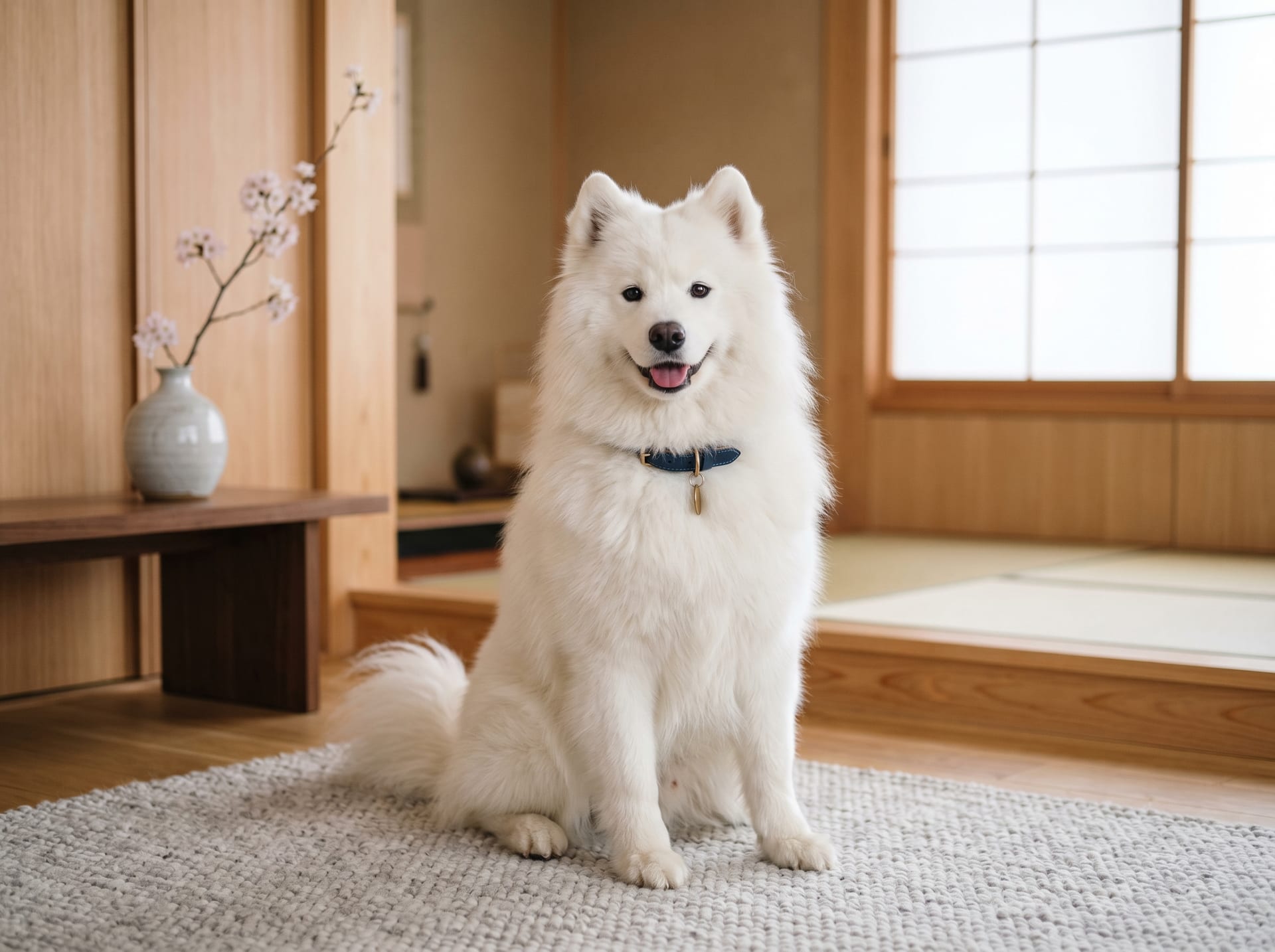
Fluffy white coat with the 'Sammy smile.' Social and people-loving.
View Samoyed encyclopedia →First 3 sales - 0% commission!Register as a breeder by July 31, 2026 and your first 3 sales are commission-free!
Breeder Wanted!
List on BreederDirect and sell directly to customers nationwide!
All puppy listings include full disclosure from verified Breeder. br-choku enforces legally-mandated standards for safe, transparent direct purchases.
※ Microchip implantation is mandatory for breeders under Japan's Animal Protection Law (effective June 2022).
Every br-choku transaction is covered by our transaction guarantee. If you cannot receive your pet, you will be fully refunded. A health guarantee also covers you after handover.
Breeders are signing up now ahead of launch. Subscribe to be notified when new listings go live.
Getting alerts is free with a member account. When new listings match your saved search, we'll notify you by email and in-app.
Are you raising dogs?
Register as a breeder and connect with buyers directly.
The Samoyed shares a history stretching back thousands of years alongside the Samoyedic peoples of northwestern Siberia, who relied on these dogs for hauling sleds, assisting in hunts, and even sleeping beside them to provide warmth in sub-zero temperatures. This extraordinarily close bond with humans is the root of the breed's famously affectionate temperament. European awareness of the Samoyed grew through late 19th and early 20th century polar expeditions, after which the breed gained popularity as both a show dog and companion. Their most striking physical features are the brilliant white double coat — thick, stand-off, and highly weather-resistant — and the iconic "Samoyed smile," a naturally upturned lip corner that prevents drooling and freezing in Arctic conditions while giving the dog its eternally cheerful appearance. In personality, Samoyeds are gentle, playful, and typically tolerant of children and other animals, yet they carry an independent streak inherited from their working-dog ancestry. Training requires consistency and positive reinforcement rather than force. For those who can commit to their grooming and exercise needs, the Samoyed offers a uniquely radiant and warmhearted canine companion.
1Heavy Shedding — Daily Brushing Required
Samoyeds have a thick double coat that sheds heavily twice a year during seasonal blowouts, with moderate shedding year-round. Daily brushing is essential to prevent mats and skin issues. A slicker brush and a wide-tooth comb are must-have grooming tools.
2Heat-Sensitive — Summer Care Is Critical
That lush coat is built for Arctic conditions, making Samoyeds particularly vulnerable to heatstroke in Japan's hot, humid summers. Air conditioning indoors around the clock is essential, and outdoor exercise should be limited to cooler morning and evening hours. Shaving the coat is not recommended as it disrupts natural temperature regulation.
3Needs Substantial Daily Exercise
Originally bred to haul sleds across vast Siberian landscapes, Samoyeds have high energy levels and need at least one to two hours of exercise daily. Insufficient activity can lead to excessive barking or destructive behavior. Regular off-leash time at a dog park or spacious outdoor area is highly beneficial.
4Vocal Breed — Barking Can Be Frequent
Samoyeds are naturally vocal dogs that use barking to express themselves and communicate. In apartments or densely populated areas, this can be a concern for neighbors. Starting quiet-command training early in puppyhood is important, and addressing the root cause of barking — boredom, anxiety, or attention-seeking — will yield better results than simply suppressing it.
5Sociable Yet Independent-Minded
View Samoyed encyclopedia entry →
Care difficulty, lifespan, size and diet — all basics covered.
While Samoyeds are genuinely sociable with people and other pets, they also possess an independent streak and may choose to think for themselves rather than follow commands blindly. Positive reinforcement — praise and treats — works far better than forceful correction. Varying training exercises keeps them engaged, as they tend to lose interest in repetitive drills.
6Budget for Professional Grooming Costs
Due to the sheer volume of a Samoyed's coat, professional grooming sessions — especially during shedding season — can cost between ¥10,000 and ¥20,000 or more per visit in Japan. Learning to handle regular brushing and bathing at home can significantly reduce costs, but thorough brush-outs several times a month and periodic baths remain non-negotiable.
7Watch for Hip and Eye Conditions
Samoyeds have a breed predisposition to conditions including hip dysplasia and progressive retinal atrophy (PRA). Choosing a puppy from a reputable breeder whose breeding dogs have undergone relevant health screenings is the most effective preventive measure. Regular veterinary check-ups and considering pet insurance are also advisable.