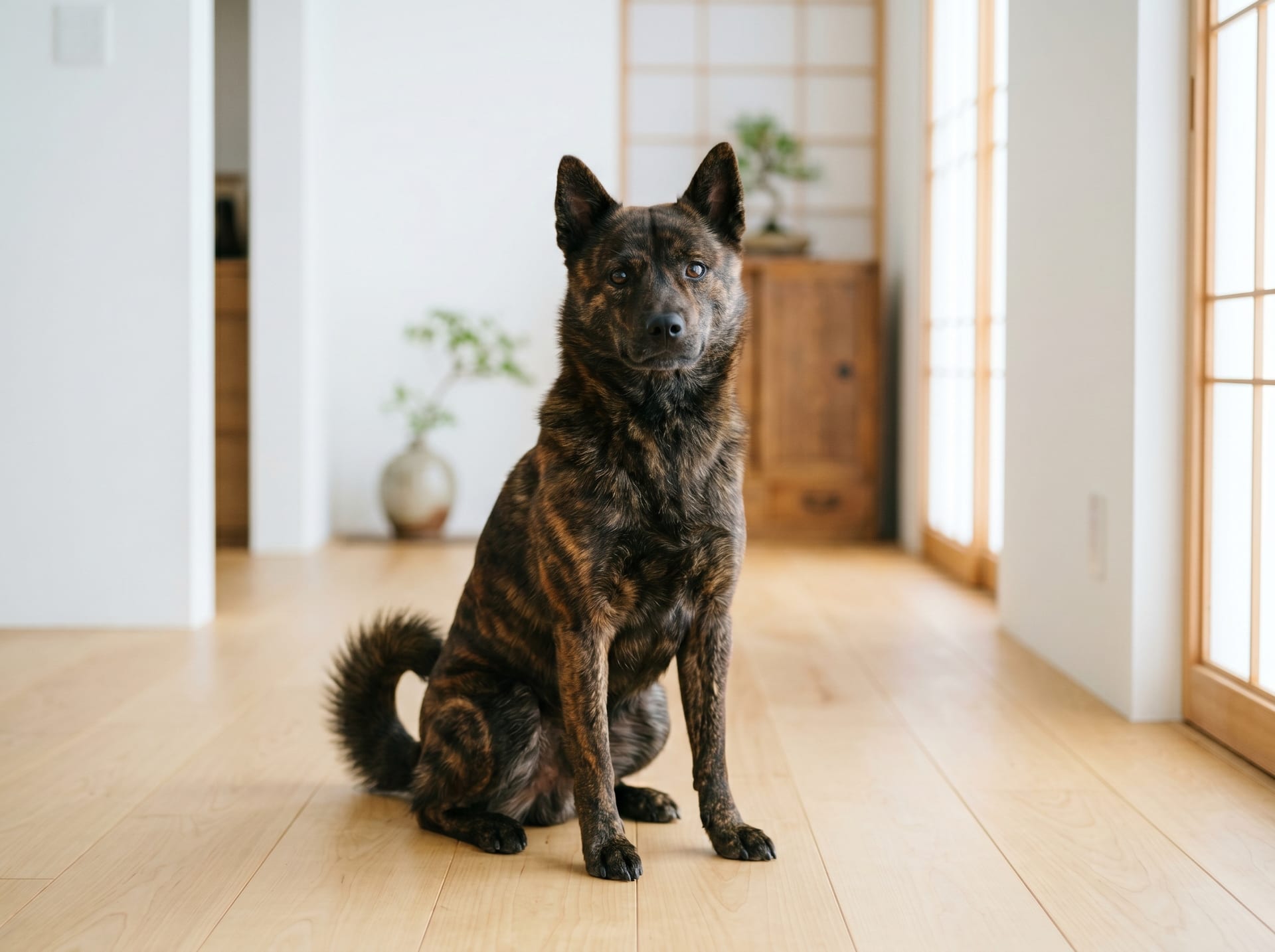
Kai Ken
Japanese breed from Yamanashi with brindle coat. Known for extreme loyalty to one master.
View Kai Ken encyclopedia →- Price Range
- ¥200,000〜¥548,000
0% commission on your first sales!Register by September 30, 2026 and your first 2 sales are commission-free!
Breeder Wanted!
List on BreederDirect and sell directly to customers nationwide!
4 Trust Pillars from BreederDirect
All puppy listings include full disclosure from verified Breeder. BreederDirect enforces legally-mandated standards for safe, transparent direct purchases.
- MicrochipRequired
- Vaccinated
- Health Exam
- Pedigree Certificate
※ Microchip implantation is mandatory for breeders under Japan's Animal Protection Law (effective June 2022).
Secure transaction guarantee
Dogs & cats onlyEvery BreederDirect transaction is covered by our transaction guarantee. If you cannot receive your pet, you will be fully refunded. A health guarantee also covers you after handover.
Learn about transaction safety →Browse all 129 breeds
Verified breeders wanted for Dogs
Breeders are signing up now ahead of launch. Subscribe to be notified when new listings go live.
Getting alerts is free with a member account. When new listings match your saved search, we'll notify you by email and in-app.
Browse other categories
Verified breeders (preview)
Kai Ken key facts
- Care level
- Advanced
- Lifespan
- 12-16 years
- Size
- Height 45-53cm / Weight 12-18kg
- Diet
- High-quality medium-breed food. Natural ingredient formulas preferred.
- Temperament
- Famous for one-person loyalty. Brave and smart but bonds to one owner.
- Exercise
- 60-90 min exercise daily. Suited for mountain climbing and hiking.
- Coat Care
- Medium double coat. Brush 2-3 times weekly; daily during shedding.
- Origin
- Japan (Yamanashi Prefecture)
- Notes
- Not for multi-dog homes or beginners. Early socialization essential.
About Kai Ken
The Kai Ken is a purebred Japanese dog originating in the rugged mountains of Yamanashi Prefecture, designated a National Natural Monument in 1934. For centuries, mountain villagers relied on this breed to hunt deer and wild boar, and centuries of natural selection in harsh terrain forged its extraordinary stamina and adaptability. The most defining physical trait is the tora-ge, or brindle coat, which comes in three varieties: black brindle, red brindle, and medium brindle. Medium-sized and powerfully built, the Kai Ken carries a lean musculature and sharp, alert gaze that convey its wild heritage. In temperament, it embodies the Japanese ideal of absolute loyalty — bonding deeply with its owner while remaining reserved toward strangers. This single-minded devotion creates an unshakeable partnership, but it also demands thorough early socialization and consistent, patient training. Rare, dignified, and steeped in Japanese mountain history, the Kai Ken commands a devoted following among breed enthusiasts both in Japan and abroad.
7 things to know before welcoming a Kai Ken
1The Brindle Coat Changes With Age
Kai Ken puppies are born with a mostly dark coat, and the brindle pattern gradually becomes defined as they mature. The full tora-ge pattern typically emerges around 1–2 years of age. Watching the coat develop is one of the unique joys of raising this breed.
2Fiercely Loyal to One Person
The Kai Ken bonds intensely with one primary person and can be reserved or wary around strangers. Without adequate socialization, it may become overly nervous around unfamiliar people or dogs. Early and consistent exposure to diverse people, places, and situations is essential.
3High Exercise Requirements
Bred as a hunting dog in mountainous terrain, the Kai Ken has exceptional stamina and endurance. Aim for 1–2 hours of vigorous exercise daily, including off-leash runs in open spaces or hiking. Insufficient activity can lead to stress and behavioral issues.
4Escape Artist and Skilled Climber
The Kai Ken's athletic ability makes it a skilled climber and jumper — even a 180 cm fence may not be sufficient for a determined individual. Never allow unsupervised off-leash time in unfenced areas. Regularly inspect enclosures and always use a secure, well-fitted leash on walks.
5Coat Care Is Relatively Simple
Although double-coated, the Kai Ken is naturally clean and has minimal odor. During shedding seasons in spring and autumn, brushing 2–3 times per week helps manage loose fur. Bathing once or twice a month is generally sufficient.
6Finding a Puppy Takes Effort
As a National Natural Monument, the Kai Ken is bred in limited numbers and reputable breeders are few. Expect to spend considerable time searching for a responsible breeder. Contacting the Kai Ken Aigokai (breed preservation society) or specialist breeders is the most reliable approach.
7Independent Nature Requires Patient Training
The Kai Ken is intelligent but independent and can be stubborn, making obedience training a patience-testing endeavor. Forceful methods tend to backfire; positive reinforcement — praise and rewards — with consistent rules works best. Mental stimulation through dog sports or scent games helps channel energy constructively.
Frequently asked questions about Kai Ken
- Q.Is the Kai Ken suitable for first-time dog owners?
- A.Due to its independent and strong-willed nature, the Kai Ken is generally better suited to experienced dog owners. First-time owners who choose this breed are strongly encouraged to work with a professional trainer from an early stage.
- Q.Can a Kai Ken live in an apartment?
- A.It is not impossible, but only if the dog receives 1–2 hours of vigorous daily exercise. While Kai Ken tend not to be excessive barkers, under-exercised individuals are prone to stress-related behaviors, making a home with outdoor space significantly more suitable.
- Q.Can Kai Ken live with other dogs or cats?
- A.The hunting instinct may surface around small animals, and chasing behavior is possible. Kai Ken raised alongside other pets from puppyhood often coexist well, but introducing an adult Kai Ken to existing pets requires careful, gradual management.
- Q.What is the typical price of a Kai Ken puppy?
- A.As a rare breed, prices vary, but a typical range is approximately 150,000–300,000 JPY. Factors such as pedigree, sex, and the breeder's reputation influence the price, so contacting multiple reputable breeders for comparison is advisable.
- Q.Do Kai Ken bark a lot?
- A.The Kai Ken is not an excessive barker, but its watchdog instincts mean it will alert to strangers or unusual sounds. Providing adequate daily exercise and mental stimulation is the most effective way to prevent unnecessary barking.
Useful tools for Kai Ken care
Learn more about Kai Ken in the encyclopedia
View Kai Ken encyclopedia entry →
Care difficulty, lifespan, size and diet — all basics covered.
Kai Ken related articles
See more Kai Ken articles →More in this category
Can't find the one you're looking for?
Post your wishes for free and breeders with matching animals will contact you with introductions.