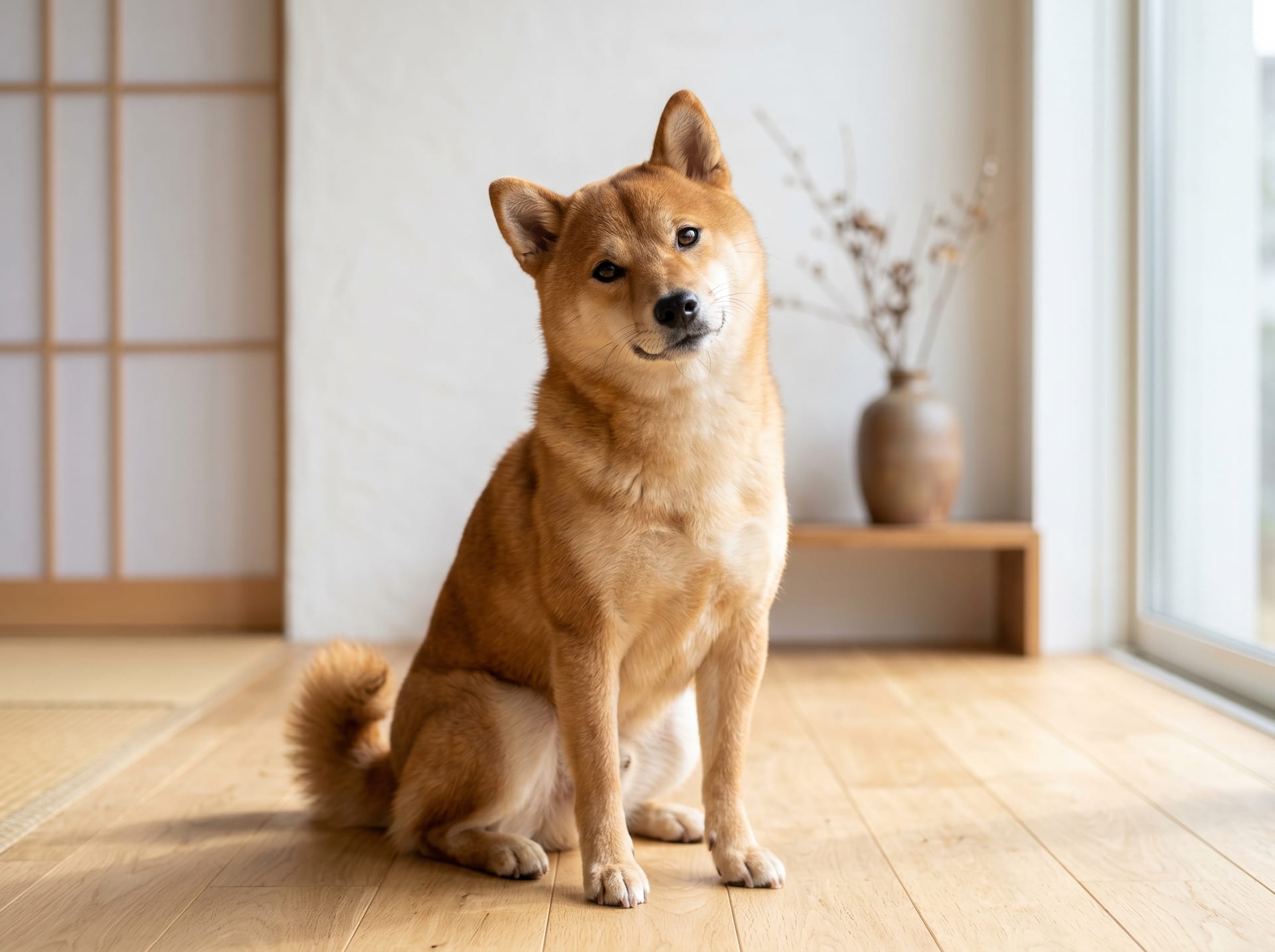
Shiba Inu
Japan's ancient small dog breed known for loyalty, independence, and iconic curled tail.
View Shiba Inu encyclopedia →- Price Range
- ¥200,000〜¥548,000
0% commission on your first sales!Register by September 30, 2026 and your first 2 sales are commission-free!
Breeder Wanted!
List on BreederDirect and sell directly to customers nationwide!
4 Trust Pillars from BreederDirect
All puppy listings include full disclosure from verified Breeder. BreederDirect enforces legally-mandated standards for safe, transparent direct purchases.
- MicrochipRequired
- Vaccinated
- Health Exam
- Pedigree Certificate
※ Microchip implantation is mandatory for breeders under Japan's Animal Protection Law (effective June 2022).
Secure transaction guarantee
Dogs & cats onlyEvery BreederDirect transaction is covered by our transaction guarantee. If you cannot receive your pet, you will be fully refunded. A health guarantee also covers you after handover.
Learn about transaction safety →Browse all 129 breeds
Verified breeders wanted for Dogs
Breeders are signing up now ahead of launch. Subscribe to be notified when new listings go live.
Getting alerts is free with a member account. When new listings match your saved search, we'll notify you by email and in-app.
Browse other categories
Verified breeders (preview)
Shiba Inu key facts
- Care level
- Intermediate
- Lifespan
- 12-15 years
- Size
- Height 35-41cm / Weight 6-10kg
- Diet
- High-quality medium-breed dog food. Two meals per day recommended.
- Temperament
- Independent and spirited. Loyal to family but reserved with strangers.
- Exercise
- 1-2 walks daily, ideally 60+ minutes total.
- Coat Care
- Double coat with heavy seasonal shedding. Brush 2-3 times per week.
- Origin
- Japan
- Notes
- Prone to escape. Allergy-related skin issues common; monitor diet.
About Shiba Inu
The Shiba Inu is one of Japan's oldest native breeds, with roots tracing back to the Jomon period, when it served as a hunting companion across rugged mountain terrain. Designated a natural monument in 1936, the Shiba has since become one of the most recognized Japanese breeds worldwide. Compact in build at 35 to 43 cm in height, the breed is distinguished by its upright ears, bright eyes, curled tail, and the characteristic white urajiro markings on the underside. While Shibas have a notably independent nature and a strong will of their own, the bond they form with their owners over time is exceptionally deep. It is this blend of dignified bearing and quiet affection that continues to captivate dog lovers around the world.
Featured breeders for Shiba Inu
See all Shiba Inu breeders (1) →7 things to know before welcoming a Shiba Inu
1Understanding Their Independence
Shiba Inus have a strong sense of self — they may ignore commands, dislike being held, or simply do things on their own terms. This isn't defiance; it's just their nature. Respecting their independence rather than forcing compliance leads to a much healthier relationship.
2Early Training Is Essential
Shibas are intelligent but stubborn, making early socialization and consistent training critical. Puppy classes and regular exposure to people and other animals help prevent behavioral issues in adulthood. First-time dog owners may benefit from working with a professional trainer.
3Prepare for Heavy Shedding
Shibas have a thick double coat that sheds heavily during spring and autumn. Regular brushing several times a week — and daily during shedding season — is necessary. Be prepared for fur on furniture, clothing, and floors as part of everyday life with a Shiba.
4They Need Regular Exercise
Despite their compact size, Shibas have considerable energy and do best with 30–60 minutes of daily exercise. Insufficient activity can lead to stress-related behaviors such as excessive barking or destructive habits. Consistent daily walks and interactive play are usually enough to keep them content.
5Watch Out for Escape Instincts
Shibas retain strong hunting instincts and may bolt after something that catches their interest. Off-leash outdoor time is risky, and they are known to find gaps in fences. Always use a secure leash and ensure your yard or outdoor space is properly enclosed.
6Common Health Considerations
Shibas are prone to certain conditions including allergic skin issues, hip dysplasia, and glaucoma. Regular veterinary check-ups and daily monitoring of their skin and eyes support early detection. Pet insurance is worth considering to help manage potential long-term healthcare costs.
7Understanding the Costs
The lifetime cost of owning a Shiba Inu — including food, veterinary care, grooming, and supplies — can easily exceed 1,000,000 yen. Beyond the initial purchase price, budget for vaccinations, spay/neuter surgery, and routine check-ups. Ensure you are financially prepared for a commitment that can span 12–15 years.
Frequently asked questions about Shiba Inu
- Q.Can first-time dog owners handle a Shiba Inu?
- A.Shibas are considered moderately challenging for first-time owners due to their strong will and the patience required for training. That said, enrolling in a professional obedience class and seeking guidance from a knowledgeable breeder can make the experience very manageable.
- Q.Is indoor or outdoor living better for a Shiba Inu?
- A.Indoor living is now the common standard, and Shibas adapt well to it. However, because they are an active breed, providing sufficient daily exercise is a non-negotiable requirement for successful indoor keeping.
- Q.Can Shibas live peacefully with other pets?
- A.With proper socialization from puppyhood, many Shibas can coexist peacefully with other dogs or cats. Introducing a new animal to an adult Shiba requires patience and a carefully managed, gradual introduction process.
- Q.Do Shibas bark a lot?
- A.Shibas are not known for excessive barking, but they can develop habits of alert or demand barking if not addressed early. Building consistent responses to barking during puppyhood is the most effective preventive measure.
- Q.What is the Shiba Inu's lifespan and main health concerns?
- A.The average lifespan of a Shiba Inu is around 12 to 15 years, making them a relatively long-lived breed. Known health concerns include allergic skin conditions and patellar luxation, so regular veterinary check-ups and a well-managed diet are important throughout their life.
Useful tools for Shiba Inu care
Learn more about Shiba Inu in the encyclopedia
View Shiba Inu encyclopedia entry →
Care difficulty, lifespan, size and diet — all basics covered.
Shiba Inu related articles
Complete Shiba Inu Care Guide | Temperament, Training, Diet Management, and Common Health Issues
A comprehensive guide to raising Shiba Inu dogs for beginners. Learn how to handle their strong independent personality, tips for socialization and basic training, coat care, diet management, common health issues like allergies and hip dysplasia, and secrets to helping them live longer.
Breed-Specific Health Issues Guide — Common Genetic Conditions in Popular Dog Breeds
Guide to hereditary health conditions in popular dog breeds: Toy Poodle, Shiba Inu, French Bulldog, Chihuahua, and Retriever-specific risks and prevention.
Top 5 Dog Breeds Recommended for First-Time Dog Owners | Carefully Selected Easy-to-Raise Breeds
5 dog breeds for beginners. Explanation of easy-to-raise breeds including Toy Poodles, Shiba Inus, Miniature Dachshunds, and more.
[Thorough Comparison] Shiba Inu vs Toy Poodle | Differences in Difficulty, Cost, and Characteristics
Thorough comparison of Shiba Inu and Toy Poodle: personality, exercise needs, shedding, trimming costs, price range, and trainability. We explain which breed suits first-time dog owners, compatibility with apartments and families with children, and more.
Dog Breed Price Guide | Reasons for Price Differences and Budget Guidelines
A comprehensive list of price ranges for popular dog breeds including Toy Poodles, French Bulldogs, Shiba Inu, and Golden Retrievers, ranked from highest to lowest with average price guides. This article explains the reasons for price differences based on pedigree, coat color, and sex, as well as initial costs, annual maintenance expenses, and lifetime cost estimates.
A Complete Guide to Dog Care for Beginners
For first-time dog owners. From preparation for bringing your new dog home, to feeding, training, and basic healthcare costs, this guide provides thorough practical guidance on dog care tailored to popular breeds like Toy Poodles, Shiba Inus, and French Bulldogs.
More in this category
Can't find the one you're looking for?
Post your wishes for free and breeders with matching animals will contact you with introductions.