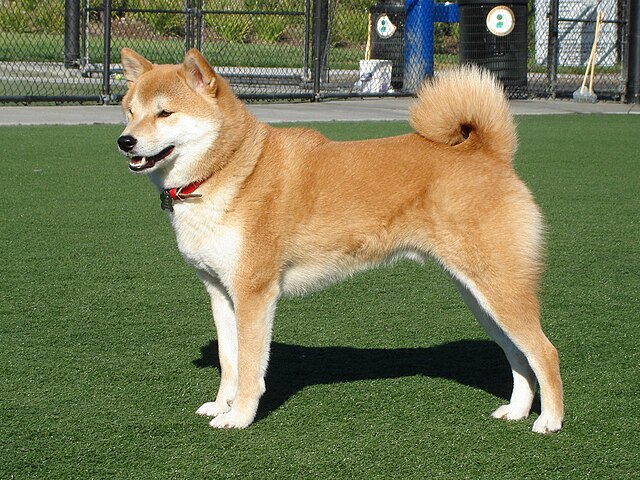
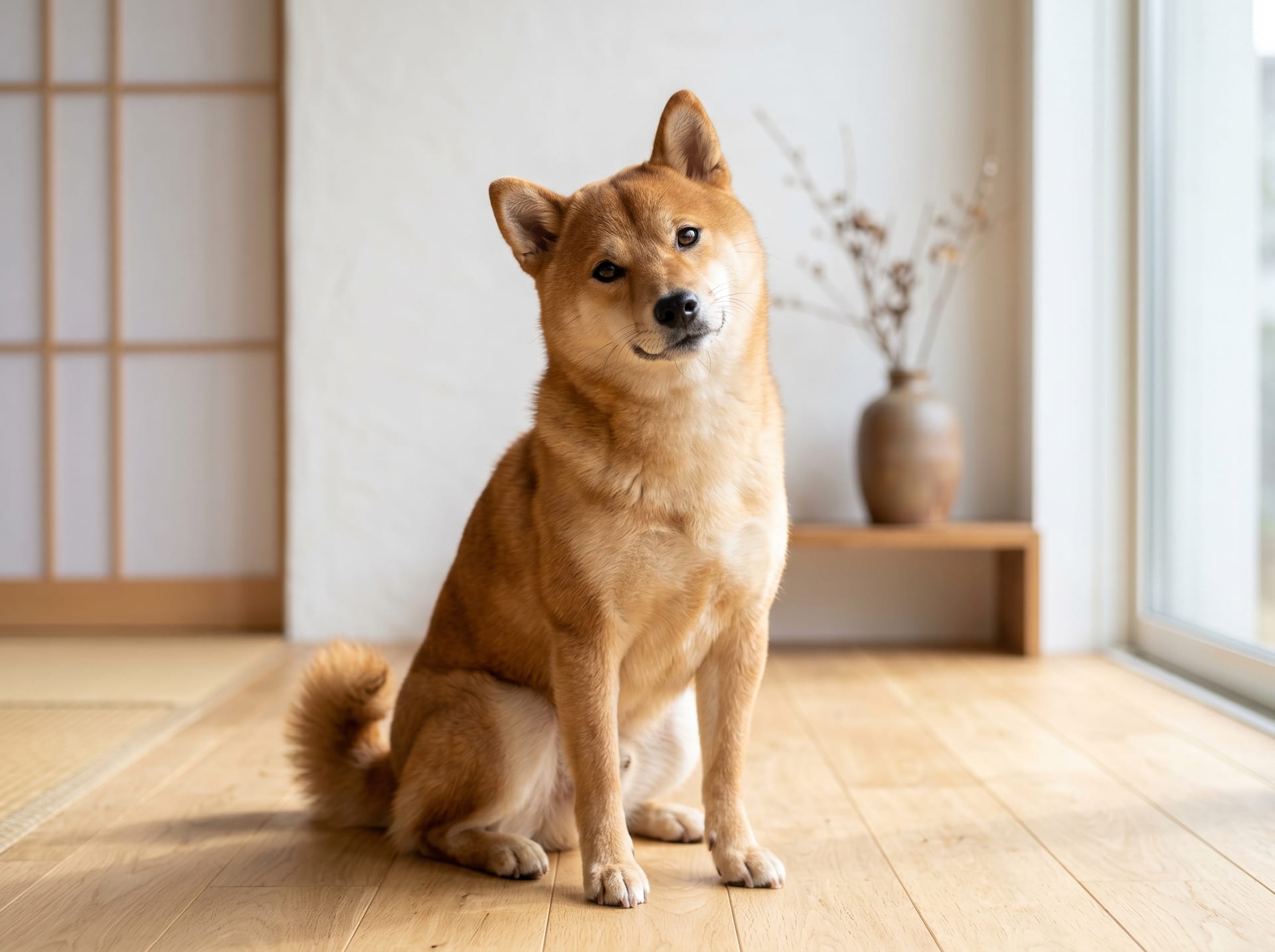
The Shiba Inu is an ancient Japanese dog breed and the smallest among six Japanese dog breeds, yet also the most commonly kept. In 2011, it was officially registered with the AKC (American Kennel Club), and in recent years its popularity has surged in Western countries through internet culture, known as "Shiba Inu" and boosted by phenomena like the "Doge" meme.
Basic Data
- Weight: Males 10–13 kg, Females 7–10 kg
- Height: Males 38–41 cm, Females 35–38 cm
- Lifespan: 12–15 years
- Coat: Double-layered (firm outer coat + soft undercoat)
- Coat Colors: Red (most common), black and tan, sesame, white (rare)
- Temperament: Independent, loyal, intelligent, clean, stubborn
The Shiba Inu is sometimes called a "cat-like dog" due to its self-reliant nature—it doesn't seek excessive affection, yet possesses deep loyalty and love for its owner. Its cleanliness makes housetraining easier, and minimal body odor is another advantage for owners.
Understanding Temperament—Managing Independence and Stubbornness
The first thing to understand when raising a Shiba Inu is its strong independence and stubborn nature.
Common Personality Traits
- Prefers solitude: Doesn't constantly demand to be by your side (unusual among dogs)
- Loyal to owner but wary of strangers and other dogs: Early socialization is crucial
- High intelligence and problem-solving ability: Can read their owner's weaknesses and exploit loopholes in rules
- "Shiba squirm": Unique escape behavior where they contort their body to slip out of harnesses or leashes
- High-pitched screaming (the "Shiba death scream"): Shiba Inu cry out loudly when forced into unpleasant situations
Training Approach
Shiba Inu dogs are unsuited to punishment-based, forceful training. Positive reinforcement (rewarding good behavior) is the most effective approach.
- Early socialization (weeks 3–16 of age): Actively expose your puppy to various people, places, sounds, and animals. Insufficient socialization often leads to shyness, dog aggression, or human aggression
- Learn basic commands: Teach "sit," "stay," "come," "down," and "leave it" starting at 2–3 months of age
- Consistency: All family members must follow the same rules. When rules are inconsistent, Shiba Inu will quickly judge that rules are negotiable
Coat Care and Shedding Management
Shiba Inu dogs shed heavily twice a year (spring and fall) during "shedding seasons." The volume of shed hair is enormous; without proper management, hair will drift throughout your home.
Brushing
- Normal periods: 1–2 times per week
- Shedding season: Daily (use an undercoat comb to remove massive amounts of loose hair)
Tools Used
- Slicker brush: Smooths the outer coat
- Pin brush: Reaches the undercoat to remove shed hair
- Undercoat comb (FURminator, etc.): Essential during shedding season
Bathing
Once or twice per month is ideal. Many Shiba Inu have sensitive skin, so low-irritant dog shampoos are recommended. Complete drying with a blow dryer is essential after bathing.
Nail Trimming and Ear Cleaning
- Nail trimming: 1–2 times per month
- Ear cleaning: 1–2 times per month (also allows early detection of ear infections)
Diet Management and Obesity Prevention
Choosing the Right Food
Shiba Inu tend to develop food allergies, so careful selection is necessary.
- Simple ingredients: Choose foods with clear protein sources and minimal additives or dyes
- Grain-free or wheat/soy-free: If allergic reactions occur, consider switching to foods that exclude specific proteins
- Low GI ingredients: Foods high in carbohydrates can lead to obesity
Feeding Guidelines
For a 10 kg adult Shiba Inu (moderately active), approximately 200–250 g per day (dry food) is a reasonable estimate, though this varies by activity level, metabolism, and season. Refer to the food packaging's recommended amount and adjust based on monthly weight checks.
Foods to Avoid
- Never give: Onions and garlic, chocolate, grapes, raisins, macadamia nuts, xylitol-containing foods
- Handle with caution: Raw pork (toxoplasmosis risk), bones (chicken bones are especially dangerous)
Exercise and Daily Management
Required Exercise
As a Japanese dog breed, Shiba Inu have the stamina of medium-sized dogs bred to roam mountains and fields.
- Walking: Ideally 30–45 minutes once, twice daily
- Free play: Unleashed play at dog parks, ball games, and scent games provide mental enrichment
Shiba Inu have a strong escape drive; be extra cautious with loose leashes and escapes. Avoid off-leash outdoor time as a general rule, and never forget to check double doors at dog parks.
Heat Management
Although Shiba Inu are naturally adapted to Japan's climate, they do carry heatstroke risk. While not as vulnerable as short-muzzled breeds, limit summer walks to early morning or evening, and watch for ground heat.
Common Health Issues
Food Allergies and Atopic Dermatitis
Skin-related diseases are the most common conditions in Shiba Inu. Symptoms include excessive licking of feet, face rubbing, abdominal redness, and hair loss.
- Perform elimination trials with hydrolyzed protein or novel protein diets to identify allergens
- Environmental allergies (cedar pollen, house dust) can also trigger dermatitis
- In severe cases, vet-prescribed immunosuppressants (Apoquel, cyclosporine) are effective
Glaucoma and Cataracts
Shiba Inu have relatively high risk for eye diseases; glaucoma (elevated eye pressure) in particular can lead to blindness. If you notice eye redness, increased discharge, or light sensitivity, seek veterinary care immediately.
Hip Dysplasia
Though not as common as in large breeds, hip dysplasia has been reported in Shiba Inu. Hind limb instability and reluctance to jump are early warning signs.
Hypothyroidism
An endocrine disorder seen in middle-aged and older Shiba Inu, characterized by lethargy, weight gain, and coat changes. Diagnosis is confirmed by blood tests and managed with medication.
Conclusion—Living Long with Your Shiba Inu
With proper understanding and handling, the Shiba Inu becomes a wonderful companion, true to its Japanese heritage.
Three Principles for Longevity
1. Perform careful socialization during puppyhood to develop a well-mannered adult
2. Continue regular skin and eye checks and annual or biannual health exams
3. Maintain proper weight, ensure daily exercise, and provide mental enrichment
The Shiba Inu's unique personality, when properly respected, enriches the joys of dog ownership. Honor "the Shiba way" and nurture a long-term partnership with your companion.