Senior Dog Care Guide: Aging Signs, Joint Care, and Nutritional Management
Learn how to recognize aging signs in senior dogs and provide appropriate care. This comprehensive guide covers arthritis prevention, selecting senior dog food, adjusting exercise levels, and the importance of regular health checkups.
Key Takeaways
Learn how to recognize aging signs in senior dogs and provide appropriate care. This comprehensive guide covers arthritis prevention, selecting senior dog food, adjusting exercise levels, and the importance of regular health checkups.
Related Species



As your dog ages, you may notice subtle changes from their usual behavior. "They seem a bit less energetic" or "they're slower going up and down stairs"—such small changes may signal the senior years ahead. Dogs age faster than humans do. With proper care, you can create an environment where your elderly companion can remain comfortable in their golden years.
Defining Senior Dogs: At What Age Are They Considered Elderly?
Generally, dogs are considered to enter their senior years around age 7. However, the pace of aging varies depending on a dog's size and breed.
- Small breeds (Chihuahuas, Toy Poodles, etc.): Often live 12–15 years, with noticeable aging appearing around age 10
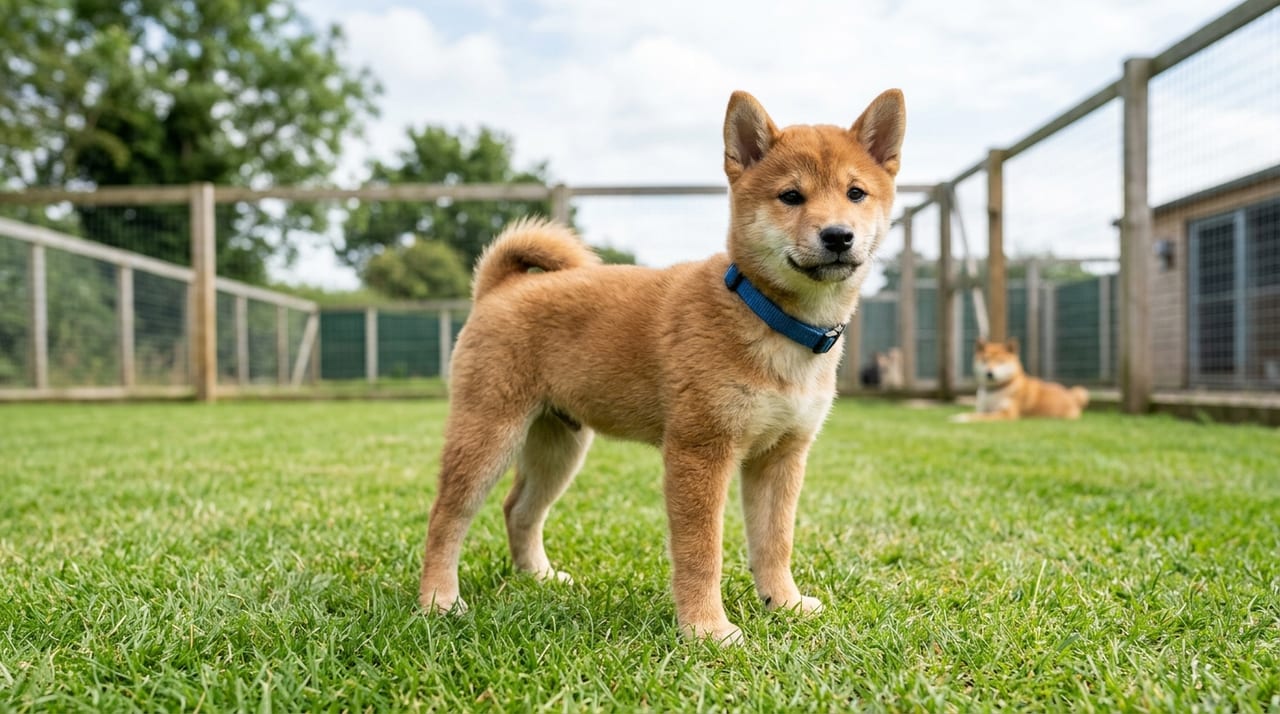
- Medium breeds (Shiba Inus, Beagles, etc.): Changes typically emerge around ages 8–10
- Large breeds (Labradors, etc.): Considered senior at ages 7–8, with relatively rapid aging
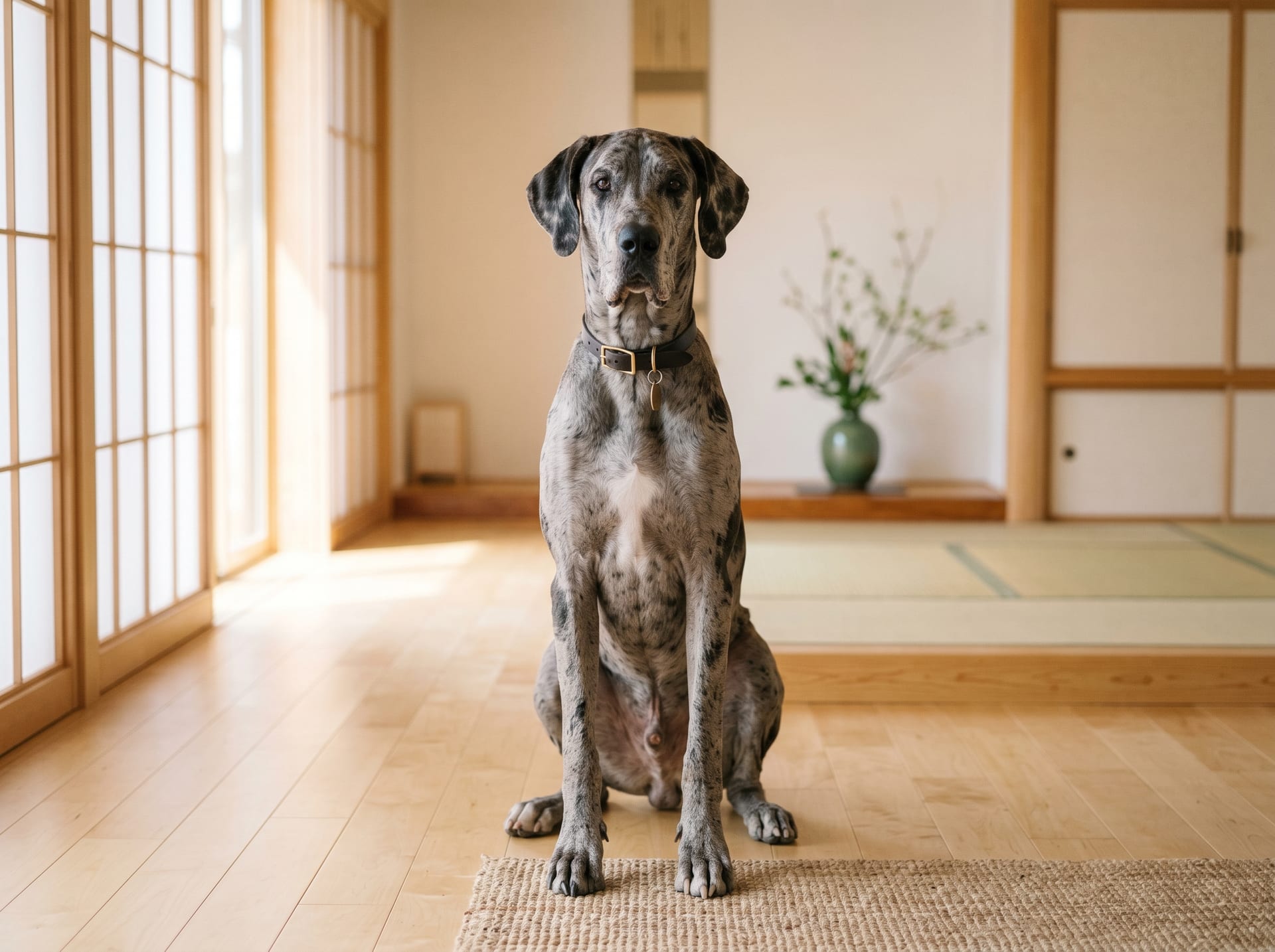
- Giant breeds (Great Danes, etc.): Aging may begin as early as ages 5–6
Even if you think your dog is still young, subtle changes are occurring within their body. Understanding breed-specific aging characteristics is the first step toward early care intervention.
Don't Miss the Signs of Aging: Daily Checkpoints You Can Notice
Aging signs don't appear suddenly—they develop gradually. If you notice the following changes, it's time to start thinking about senior care.
Physical Signs
- Graying increases (especially around the mouth and eyes)
- Eyes appear cloudy or milky (nuclear sclerosis or cataracts)
- Hearing seems to decline
- Tartar builds up and breath odor worsens
- Weight increases or suddenly decreases
Behavioral and Physical Activity Signs
- Tires easily during walks and stops frequently
- Running slows down and jumping becomes infrequent or stops
- Difficulty rising in the morning, with stiff or clumsy movements
- Pacing or vocalization at night (signs of cognitive changes)
- Increased house soiling or incontinence
Building a habit of recording observations immediately helps during veterinary visits. By communicating when changes started and how frequently they occur, you enable faster and more accurate diagnosis.
Joint Care: Recognizing Pain and Creating a Comfortable Living Environment
Arthritis is one of the most common problems in senior dogs, especially in large breeds and overweight dogs. Since dogs don't openly express pain, it's easy to overlook the warning signs.
Recognizing Arthritis Signs
- Stiff or awkward movements when standing or sitting
- Sensitivity to touch in certain areas
- Limping or abnormal gait
- Reluctance to climb stairs or navigate steps
Home Environment Modifications
- Place mats or carpets on hardwood floors to prevent slipping
- Switch to thick, memory foam beds
- Install ramps or steps for furniture and elevated areas
- Provide warm bedding in winter when floors become cold
Supporting Joints with Supplements and Diet Glucosamine, chondroitin, and omega-3 fatty acids (DHA and EPA) are recognized for reducing joint inflammation and supporting cartilage health. However, consult your veterinarian before starting any supplements, as interactions with existing conditions or medications may need consideration.
Maintaining ideal body weight is equally crucial for reducing joint stress. Obesity places direct pressure on joints. Weight management and joint care should be approached together.
Nutritional Management: How to Choose and Feed Senior Dog Food
As your dog's body changes, diet adjustments are essential. Senior dog foods are specifically formulated to support aging bodies.
Senior Food Characteristics
- Lower calorie content (metabolism slows, making weight gain easier)
- High-quality protein (essential for muscle maintenance)
- Higher fiber content (to support declining digestive function)
- Many include joint-support ingredients (such as glucosamine)
Timing and Method for Transitioning Transition from adult food to senior food gradually over 7–10 days, not abruptly, to minimize digestive stress.
- Days 1–3: Adult food 9 : Senior food 1
- Days 4–6: Adult food 7 : Senior food 3
- Days 7–9: Adult food 5 : Senior food 5
- Day 10 onwards: Senior food only
Pay Attention to Hydration Senior dogs are more prone to kidney stress. Always provide fresh water and change it multiple times daily. You can also soak dry kibble in warm water or mix in wet food to increase moisture intake.
Be Alert to Changes in Appetite If appetite suddenly declines, it may indicate tooth pain or illness rather than simple pickiness. Loss of appetite lasting more than two days warrants a veterinary consultation.
Adjusting Exercise: "Less Activity Is Better" Is Wrong
Reducing walks too much under the assumption that age requires less activity can backfire, leading to muscle loss and joint problems. Senior dogs still need appropriate exercise.
Exercise Tips for Senior Dogs
- Shorter, more frequent walks (e.g., 30 minutes once → 15 minutes twice)
- Walk on paved, flat surfaces (gravel or steep inclines stress joints)
- Match your dog's pace and avoid pulling
- Limit walks during hot weather to cooler morning and evening hours
- Hydrotherapy (water walking) is gentler on joints and highly recommended
If your dog limps after walks or lacks energy the next day, reduce the distance or duration. Observing your dog's condition after each walk helps you find the right exercise level.
Regular Health Checkups: Every Six Months Is Essential for Senior Dog Care
For senior dogs, increase checkups from annually to every six months. Since one dog year equals four to five human years, significant bodily changes occur in just six months.
Items to Check During Exams
- Blood tests (liver, kidney, blood sugar, anemia, etc.)
- Urinalysis (kidney function and early infection detection)
- Cardiac auscultation and blood pressure measurement
- X-rays of joints and bones
- Dental and gum examination
- Eye, ear, and skin assessment
It's easy to delay checkups when your dog appears healthy, but early detection of senior-related illnesses significantly affects quality of life. Many problems show up in blood tests despite appearing fine externally.
Establishing a relationship with a regular veterinarian who can track your dog's health over time provides peace of mind for unexpected situations.
Time with senior dogs requires a slightly different expression of love. While your dog may become unable to do things they once did, this is a testament to the years you've shared together. By paying attention to small daily changes and providing appropriate care, you can help your aging companion's final years be peaceful and happy. Take it slowly, and walk this journey together.