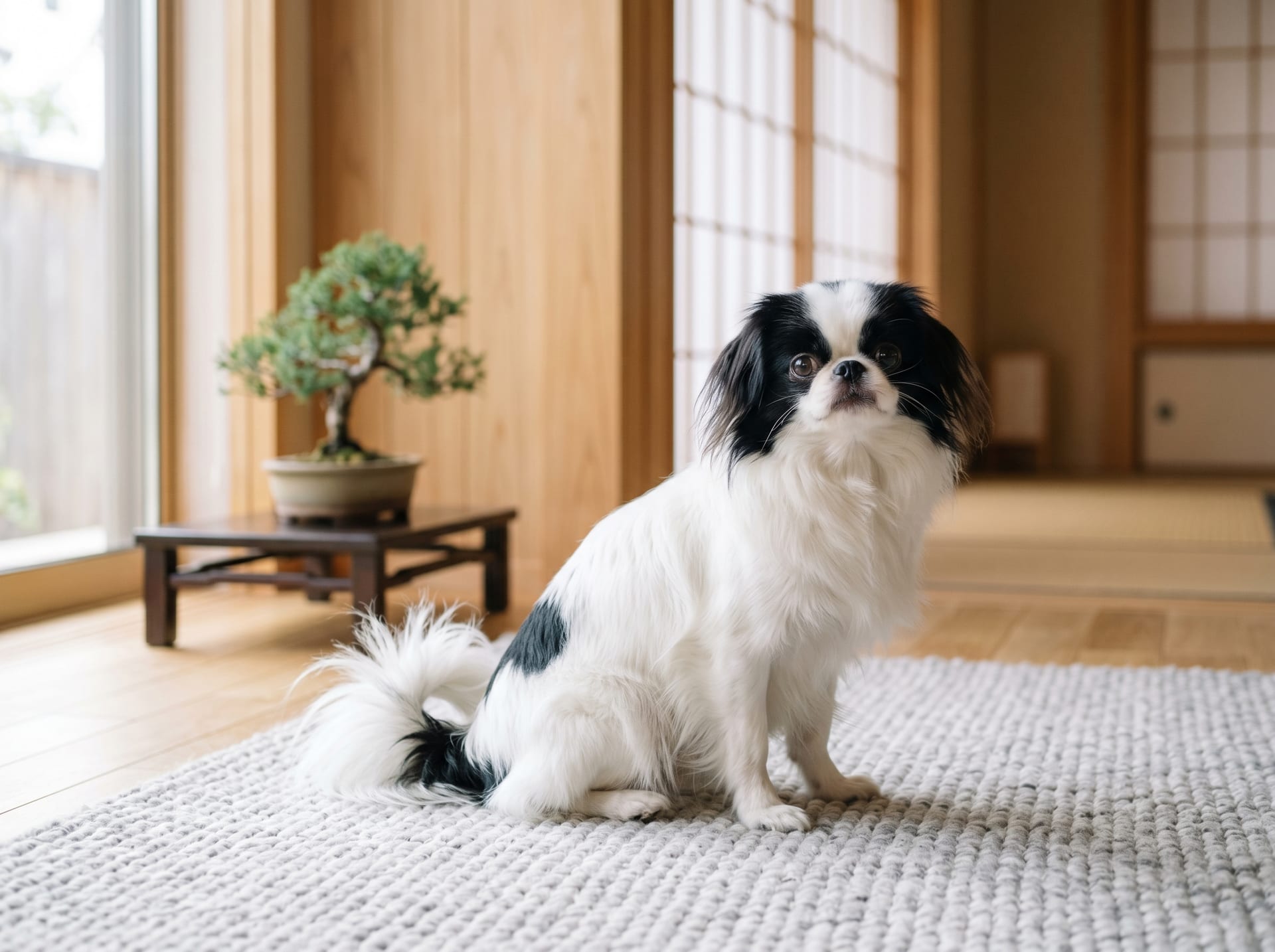
Japanese Chin
An ancient Japanese companion dog. Elegant coat and charming expression, with a calm and noble temperament.
View Japanese Chin encyclopedia →- Price Range
- ¥200,000〜¥548,000
0% commission on your first sales!Register by September 30, 2026 and your first 2 sales are commission-free!
Breeder Wanted!
List on BreederDirect and sell directly to customers nationwide!
4 Trust Pillars from BreederDirect
All puppy listings include full disclosure from verified Breeder. BreederDirect enforces legally-mandated standards for safe, transparent direct purchases.
- MicrochipRequired
- Vaccinated
- Health Exam
- Pedigree Certificate
※ Microchip implantation is mandatory for breeders under Japan's Animal Protection Law (effective June 2022).
Secure transaction guarantee
Dogs & cats onlyEvery BreederDirect transaction is covered by our transaction guarantee. If you cannot receive your pet, you will be fully refunded. A health guarantee also covers you after handover.
Learn about transaction safety →Browse all 129 breeds
Verified breeders wanted for Dogs
Breeders are signing up now ahead of launch. Subscribe to be notified when new listings go live.
Getting alerts is free with a member account. When new listings match your saved search, we'll notify you by email and in-app.
Browse other categories
Verified breeders (preview)

Japanese Chin key facts
- Care level
- Beginner-friendly
- Lifespan
- 12-14 years
- Size
- 2-5kg
- Diet
- Dry food, small portions
- Temperament
- Calm and noble, cat-like independence
- Exercise
- Indoor play mainly, short walks
- Coat Care
- Brush 2-3 times weekly, silky coat
- Origin
- Japan
- Notes
- Brachycephalic, heat sensitive, watch for heart issues
About Japanese Chin
The Japanese Chin is believed to have arrived in Japan from China during the Nara or Heian period, where it became a treasured companion of the imperial court aristocracy. Its name is said to combine the characters for "dog" and "cat," a nod to its feline-like habits of climbing to high perches and its distinctly independent character. Physically, the breed is recognized by its long, silky coat in black-and-white or tri-color patterns, a pleasingly flat face with a short muzzle, and large, luminous round eyes. The body is compact yet well-proportioned, giving the Chin an air of quiet elegance. In temperament, it is gentle, reserved, and deeply affectionate with its family, though it values its own pace much as a cat would. Because it seldom barks, it adapts comfortably to apartment living. With consistent coat and eye care and moderate daily exercise, the Japanese Chin makes a devoted and graceful long-term companion.
7 things to know before welcoming a Japanese Chin
1Coat Care
The long, silky coat benefits from daily brushing to prevent tangles and matting. Pay extra attention to dense fur around the ears and between the paw pads. Professional trimming is generally unnecessary, but regular coat checks are recommended.
2Facial Fold and Eye Care
As a brachycephalic breed, Chins tend to accumulate eye discharge and need daily wiping around the eyes. Moisture can also collect in facial folds, so clean and dry them regularly with a soft cloth. Neglecting this can lead to skin irritation or infection.
3Heat Sensitivity
Due to their brachycephalic anatomy, Chins are particularly sensitive to heat and humidity. Air conditioning indoors during summer is essential, and prolonged outdoor exposure in direct sunlight should be avoided. Stay vigilant about hydration and temperature control to prevent heatstroke.
4Exercise and Living Space
The Chin is a calm breed that is content with light indoor play and short daily walks for adequate exercise. It adapts well to apartment living and tends not to bark excessively, making it well-suited for shared housing. Moderate, consistent activity is preferable to intense exercise.
5Dignified Independence
Often compared to cats, the Chin has a notable independent streak and prefers its own pace over constant cuddling. Gentle, patient training works best, as harsh corrections can cause the dog to become withdrawn. Building a trusting relationship gradually brings out its more obedient side.
6Patellar Luxation Risk
Patellar luxation is common in small breeds including the Chin and can be worsened by jumping on and off furniture or navigating stairs. Dog ramps or steps and non-slip mats on hardwood floors help reduce the risk. Consult a veterinarian promptly if you notice any changes in gait.
7Estimated Ownership Costs
As a rare breed, Chin puppies are often priced between 200,000–500,000 yen. Monthly food costs are modest given their small size, but brachycephalic-related medical expenses—such as eye and respiratory care—should be budgeted for. Considering pet insurance before bringing a Chin home is advisable.
Frequently asked questions about Japanese Chin
- Q.Is the Japanese Chin suitable for first-time dog owners?
- A.The Chin's calm nature and modest exercise needs make it a manageable choice for first-time owners. That said, its independent streak means training requires patience, so familiarizing yourself with positive reinforcement basics before bringing one home is a good idea.
- Q.Do Japanese Chins shed a lot?
- A.Despite having a long coat, the Chin has a relatively thin undercoat, so shedding tends to be less heavy than many other long-haired breeds. During seasonal shedding periods, more regular brushing will help manage loose hair on clothing and furniture.
- Q.Can a Japanese Chin get along with children and other pets?
- A.The Chin's gentle disposition means it often coexists well with other pets. However, its small, delicate frame means interactions with young children should always be supervised by an adult. Early socialization helps the dog adapt more comfortably to a multi-pet or family household.
- Q.How often does a Japanese Chin need professional grooming?
- A.Full professional trimming is not strictly necessary for this breed, but a monthly bath and blow-dry by a groomer helps keep the coat in good condition. At home, brush two to three times a week and attend to nail trimming and ear cleaning as needed.
- Q.What are common health concerns in Japanese Chins?
- A.Beyond the respiratory considerations common to brachycephalic breeds, the Chin may be prone to corneal injury, patellar luxation, and cardiac conditions. Regular veterinary check-ups and maintaining a healthy body weight are the foundation of preventive care. Seek veterinary advice promptly if any concerning symptoms appear.
Useful tools for Japanese Chin care
Learn more about Japanese Chin in the encyclopedia
View Japanese Chin encyclopedia entry →
Care difficulty, lifespan, size and diet — all basics covered.
More in this category
Can't find the one you're looking for?
Post your wishes for free and breeders with matching animals will contact you with introductions.