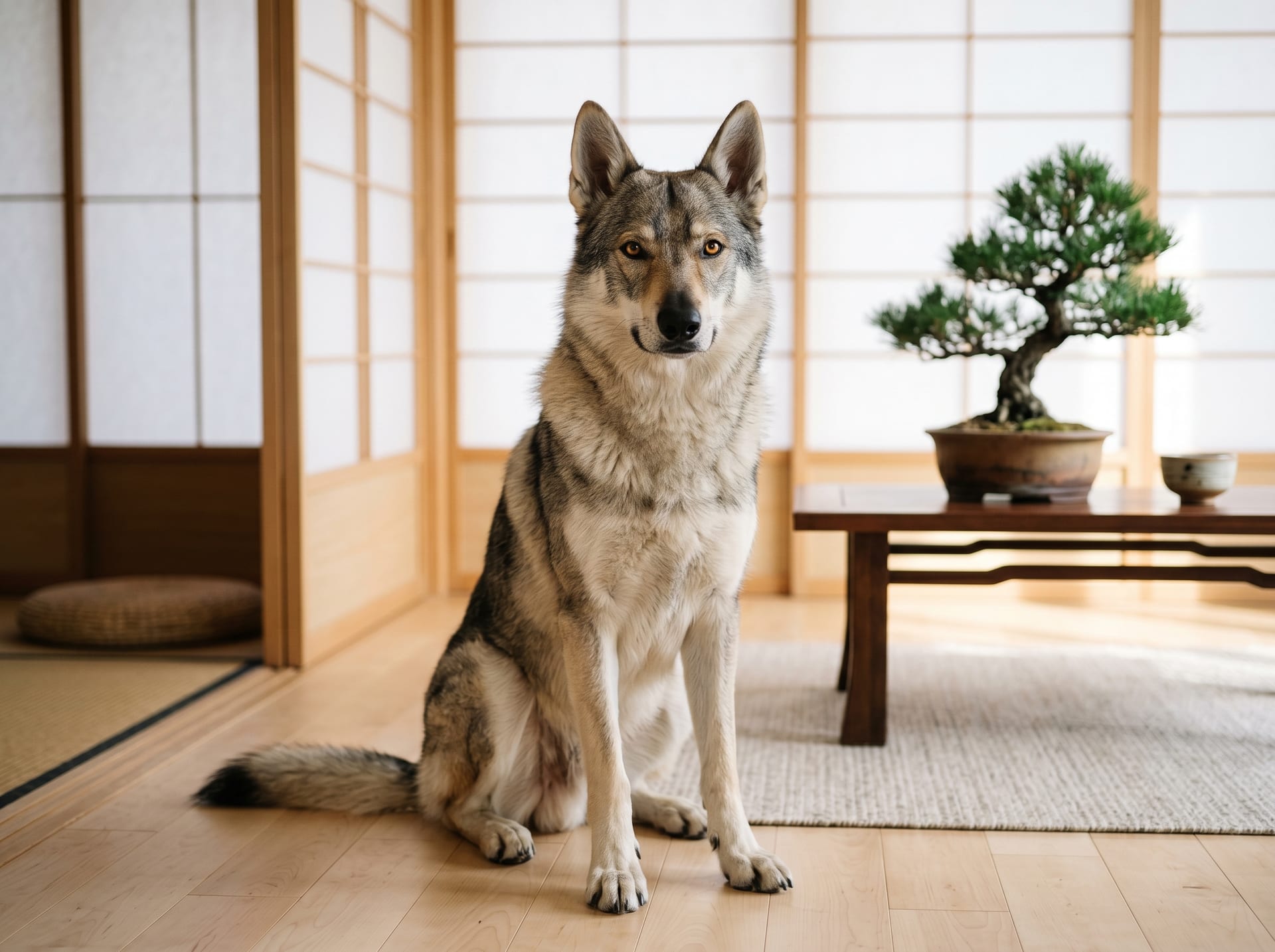
Czechoslovakian Wolfdog
Bred from German Shepherds and wolves. Wild appearance with high intelligence and loyal character.
View Czechoslovakian Wolfdog encyclopedia →- Price Range
- ¥200,000〜¥660,000
0% commission on your first sales!Register by September 30, 2026 and your first 2 sales are commission-free!
Breeder Wanted!
List on BreederDirect and sell directly to customers nationwide!
4 Trust Pillars from BreederDirect
All puppy listings include full disclosure from verified Breeder. BreederDirect enforces legally-mandated standards for safe, transparent direct purchases.
- MicrochipRequired
- Vaccinated
- Health Exam
- Pedigree Certificate
※ Microchip implantation is mandatory for breeders under Japan's Animal Protection Law (effective June 2022).
Secure transaction guarantee
Dogs & cats onlyEvery BreederDirect transaction is covered by our transaction guarantee. If you cannot receive your pet, you will be fully refunded. A health guarantee also covers you after handover.
Learn about transaction safety →Browse all 129 breeds
Verified breeders wanted for Dogs
Breeders are signing up now ahead of launch. Subscribe to be notified when new listings go live.
Getting alerts is free with a member account. When new listings match your saved search, we'll notify you by email and in-app.
Browse other categories
Verified breeders (preview)

Czechoslovakian Wolfdog key facts
- Care level
- Advanced
- Lifespan
- 12-16 years
- Size
- 20-30kg
- Diet
- High-protein food, raw meat diet possible
- Temperament
- Loyal, brave, highly alert
- Exercise
- 90+ minutes daily exercise essential
- Coat Care
- Double coat, heavy seasonal shedding
- Origin
- Czechoslovakia
- Notes
- For experienced owners, early socialization essential
About Czechoslovakian Wolfdog
The Czechoslovakian Wolfdog was created in the 1950s as a state military project in Czechoslovakia, developed by crossing German Shepherds with Carpathian wolves. Originally bred as a working dog for military and border patrol duties, it was officially recognized by the FCI in 1989 and is now kept for dog sports and as a companion animal. Its appearance closely resembles a wolf, with a tawny to silver-gray coat, almond-shaped eyes, and a lean, athletic build. In temperament, it is highly independent and perceptive, forming deep bonds with those it trusts, though it tends to prefer cooperation over strict obedience. For owners who can provide the right environment and meaningful engagement, this remarkable breed becomes an unparalleled partner unlike any other.
6 things to know before welcoming a Czechoslovakian Wolfdog
1High Exercise Needs
Adult Czechoslovakian Wolfdogs typically weigh 25–35 kg and require vigorous daily exercise of one to two hours or more. A large yard or access to long daily runs is ideal. Insufficient activity can quickly lead to stress and behavioral issues in this breed.
2Not Suited for Apartments
This breed has a strong instinct for wide territory and tends to suffer in confined spaces or apartments. A detached house with a securely fenced yard is strongly recommended, with fencing at least 180 cm high, as Czechoslovakian Wolfdogs are exceptional jumpers and escape artists.
3Challenging for First-Time Owners
With wolf ancestry, this breed often does not respond well to conventional training methods, and punishment-based approaches can be counterproductive. Consistent positive-reinforcement training under experienced guidance is essential. First-time dog owners are strongly encouraged to seek professional support before acquiring this breed.
4Early Socialization Is Critical
Czechoslovakian Wolfdogs are naturally highly alert and suspicious, making thorough socialization from an early age critical. Insufficient exposure to people, animals, and environments can lead to fearfulness or aggression. Puppy classes and regular outings during the early months have a lasting positive impact on temperament.
5Strong Pack Bond with Family
This breed has a powerful pack instinct and forms deep bonds with its family. However, without clear and consistent leadership, it may attempt to establish its own hierarchy. All family members maintaining unified rules and boundaries is key to a stable, trusting relationship.
6Generally Robust Health
Thanks in part to wolf genetics, Czechoslovakian Wolfdogs tend to have fewer hereditary conditions than many purebred dogs. However, hip dysplasia common to large breeds and occasional digestive sensitivities should be monitored. Regular veterinary check-ups and maintaining a healthy weight support long-term wellbeing.
Frequently asked questions about Czechoslovakian Wolfdog
- Q.Can I get a Czechoslovakian Wolfdog in Japan?
- A.This breed is very rare in Japan, and finding a reputable breeder is the first challenge. Importing from overseas breeders is an option, but quarantine requirements and transportation costs should be factored in.
- Q.Can they live with other pets or young children?
- A.With thorough early socialization, they can coexist with other animals and children. However, their strong prey drive means extra caution is needed with small animals. Supervised interactions are always recommended.
- Q.Is it possible to keep one in an apartment?
- A.It is generally not recommended. This breed needs ample space and a great deal of exercise, and confined environments tend to cause significant stress. If apartment living is unavoidable, several hours of outdoor activity every day are an absolute requirement.
- Q.How long does training typically take?
- A.Teaching basic commands alone takes consistent training over several months, and learning continues into adulthood. Because of their independent nature, keeping sessions short and engaging is more effective than long repetitive drills. Consulting a professional trainer early in the process is strongly advised.
- Q.Is it dangerous because of its wolf ancestry?
- A.A properly socialized and trained Czechoslovakian Wolfdog is not inherently dangerous. However, their strong instincts mean that mishandling can lead to problems, making experienced ownership essential. Rather than fearing their wolf heritage, focus on providing proper training and a suitable environment.
Useful tools for Czechoslovakian Wolfdog care
Learn more about Czechoslovakian Wolfdog in the encyclopedia
View Czechoslovakian Wolfdog encyclopedia entry →
Care difficulty, lifespan, size and diet — all basics covered.
More in this category
Can't find the one you're looking for?
Post your wishes for free and breeders with matching animals will contact you with introductions.