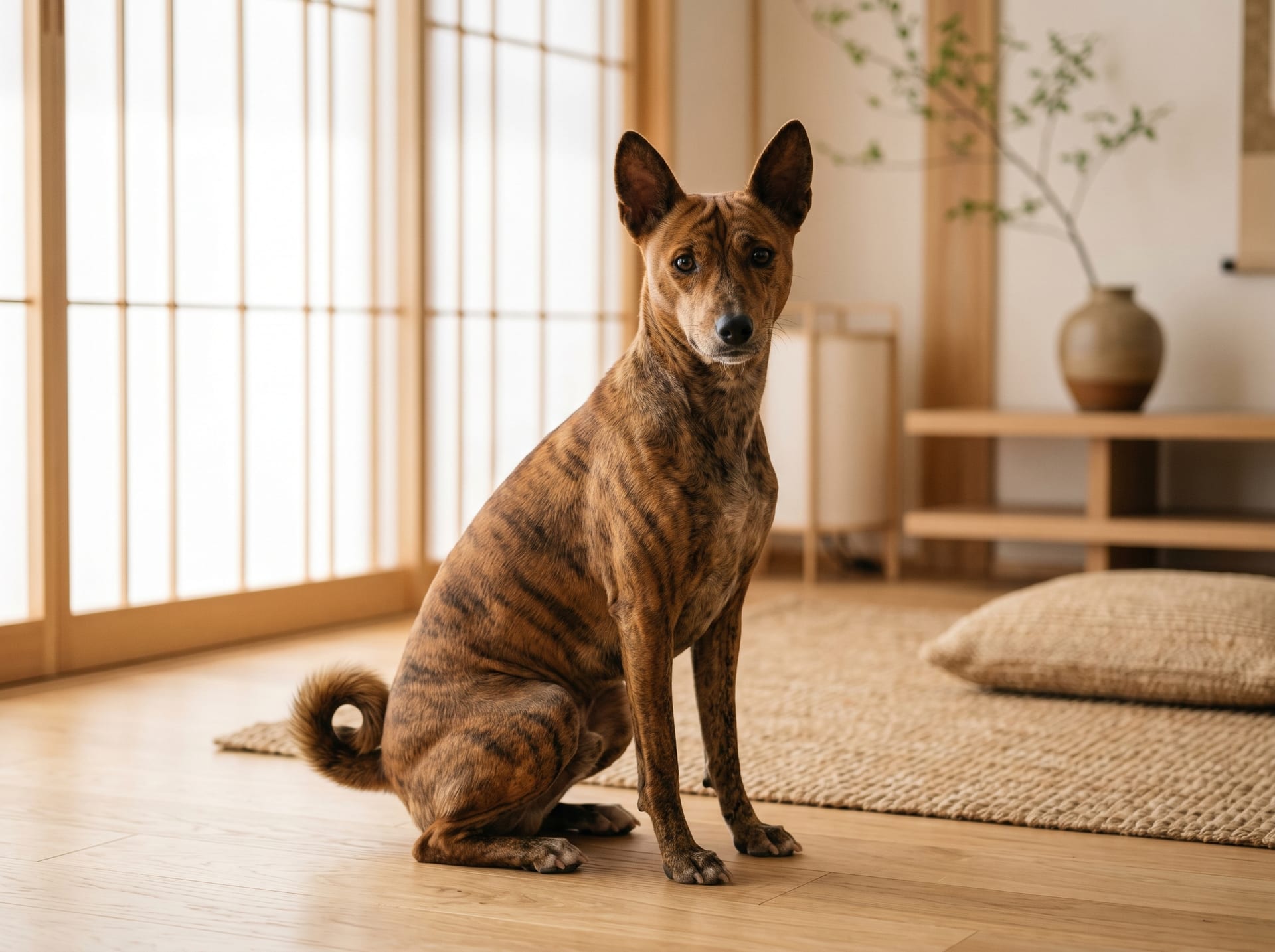
Basenji
The 'barkless dog' from Africa. Cat-like in cleanliness and grooming habits.
View Basenji encyclopedia →- Price Range
- ¥200,000〜¥660,000
0% commission on your first sales!Register by September 30, 2026 and your first 2 sales are commission-free!
Breeder Wanted!
List on BreederDirect and sell directly to customers nationwide!
4 Trust Pillars from BreederDirect
All puppy listings include full disclosure from verified Breeder. BreederDirect enforces legally-mandated standards for safe, transparent direct purchases.
- MicrochipRequired
- Vaccinated
- Health Exam
- Pedigree Certificate
※ Microchip implantation is mandatory for breeders under Japan's Animal Protection Law (effective June 2022).
Secure transaction guarantee
Dogs & cats onlyEvery BreederDirect transaction is covered by our transaction guarantee. If you cannot receive your pet, you will be fully refunded. A health guarantee also covers you after handover.
Learn about transaction safety →Browse all 129 breeds
Verified breeders wanted for Dogs
Breeders are signing up now ahead of launch. Subscribe to be notified when new listings go live.
Getting alerts is free with a member account. When new listings match your saved search, we'll notify you by email and in-app.
Browse other categories
Verified breeders (preview)
Basenji key facts
- Care level
- Intermediate
- Lifespan
- 12-16 years
- Size
- Height 40-43cm / Weight 9-12kg
- Diet
- High-quality medium-breed food. May be picky about food.
- Temperament
- Independent and cat-like. Intelligent but stubborn; doesn't suit traditional training.
- Exercise
- 60+ min exercise daily. Strong escape instinct; exercise in secure areas.
- Coat Care
- Short coat; self-grooming keeps them odor-free. Minimal maintenance.
- Origin
- Democratic Republic of Congo
- Notes
- Risk of Fanconi syndrome. Escape-prone; high fences needed.
About Basenji
The Basenji's history stretches back thousands of years — depictions resembling the breed appear in ancient Egyptian murals, suggesting a long companionship with humans. Originating in Central Africa, particularly the Congo region, Basenjis were traditionally used by local villages to flush and hunt small game. They were introduced to Europe in the early 20th century and officially recognized as a breed in Britain in 1937. Physically, the Basenji is compact and athletic, with upright ears, a distinctive wrinkled forehead, and a tightly curled tail. The coat is short and smooth, coming in red, black, tricolor, and other variations. In terms of temperament, Basenjis are intelligent and curious yet famously stubborn, earning frequent comparisons to cats for their independent nature. With minimal shedding, little body odor, and a barkless quality, they can be well-suited to apartment living for owners prepared to meet their exercise and mental stimulation needs.
7 things to know before welcoming a Basenji
1Barkless, Not Silent
Basenjis have a uniquely shaped larynx that prevents them from barking in the traditional sense. However, they do produce a distinctive sound called a "yodel," along with whines and growls. If you expect a completely silent dog, you may be surprised — it's worth watching videos beforehand to set realistic expectations.
2Independent and Intelligent
Basenjis are highly intelligent but also fiercely independent, often preferring to think for themselves rather than follow commands. This stubbornness can be challenging for first-time dog owners, making them better suited to those with prior experience. Short, engaging training sessions tend to yield better results than lengthy repetitive drills.
3High Exercise Requirements
Originally bred as hunting dogs, Basenjis have considerable exercise needs and require at least one to two hours of active exercise daily. Without sufficient physical activity, they are prone to destructive behavior and restlessness. This breed is best suited to owners with an active lifestyle who can commit to regular vigorous exercise.
4Escape Artist Alert
Basenjis have an intense prey drive and will bolt after interesting scents or movements without warning. They are known to jump over or dig under fences, so secure, tall enclosures are essential outdoors. Off-leash walks in open areas carry significant risk, and a leash should be used at all times outside a securely fenced space.
5Cat-Like Cleanliness
Basenjis groom themselves much like cats, keeping their coats clean and relatively odor-free. They shed minimally and rarely need frequent baths. Regular brushing along with routine ear cleaning and nail trimming is typically sufficient. For owners who prefer low-maintenance grooming, this is one of the breed's most appealing qualities.
6Watch for Fanconi Syndrome
Fanconi syndrome, a genetic kidney disorder affecting renal tubule function, is a known health concern in Basenjis. Signs to watch for include excessive thirst and urination, weight loss, and muscle weakness. When acquiring a Basenji, ask breeders about genetic testing to help reduce the risk of this hereditary condition.
7Compatibility with Other Pets
Due to their strong prey instinct, Basenjis require careful supervision around small animals such as hamsters, rabbits, and birds. They can coexist with other dogs depending on socialization, though same-sex pairs may experience tension. Early and consistent socialization in multi-pet households is key to fostering good relationships.
Frequently asked questions about Basenji
- Q.Can Basenjis be kept in apartments?
- A.Because Basenjis don't bark, noise-related issues are less common in apartment settings. However, they still require substantial daily exercise, so apartment living is only suitable if you can commit to long daily walks and regular vigorous activity.
- Q.Are Basenjis good for first-time owners?
- A.Basenjis can be challenging for first-time owners due to their stubborn, independent nature. They require patient, consistent training and a good understanding of canine behavior. Seeking guidance from an experienced breeder or trainer is strongly recommended for new owners.
- Q.Do Basenjis really never bark at all?
- A.Basenjis do not produce a typical bark. However, they can make a unique yodeling sound as well as whines and growls, especially when excited or distressed. They are not completely silent, and the volume and frequency of these sounds vary between individuals.
- Q.How much do Basenjis shed and do they smell?
- A.Basenjis are light shedders with a short coat and minimal body odor compared to many breeds. Their habit of self-grooming reduces the need for frequent baths. For owners sensitive to dog hair or smell, this is one of the breed's more appealing practical traits.
- Q.Are there known genetic health issues in Basenjis?
- A.Fanconi syndrome (a kidney tubule disorder) and progressive retinal atrophy (PRA) are genetic health conditions seen more frequently in Basenjis. When purchasing from a breeder, always ask about genetic screening results for these conditions. Regular veterinary check-ups are also important for early detection.
Useful tools for Basenji care
Learn more about Basenji in the encyclopedia
View Basenji encyclopedia entry →
Care difficulty, lifespan, size and diet — all basics covered.
More in this category
Can't find the one you're looking for?
Post your wishes for free and breeders with matching animals will contact you with introductions.