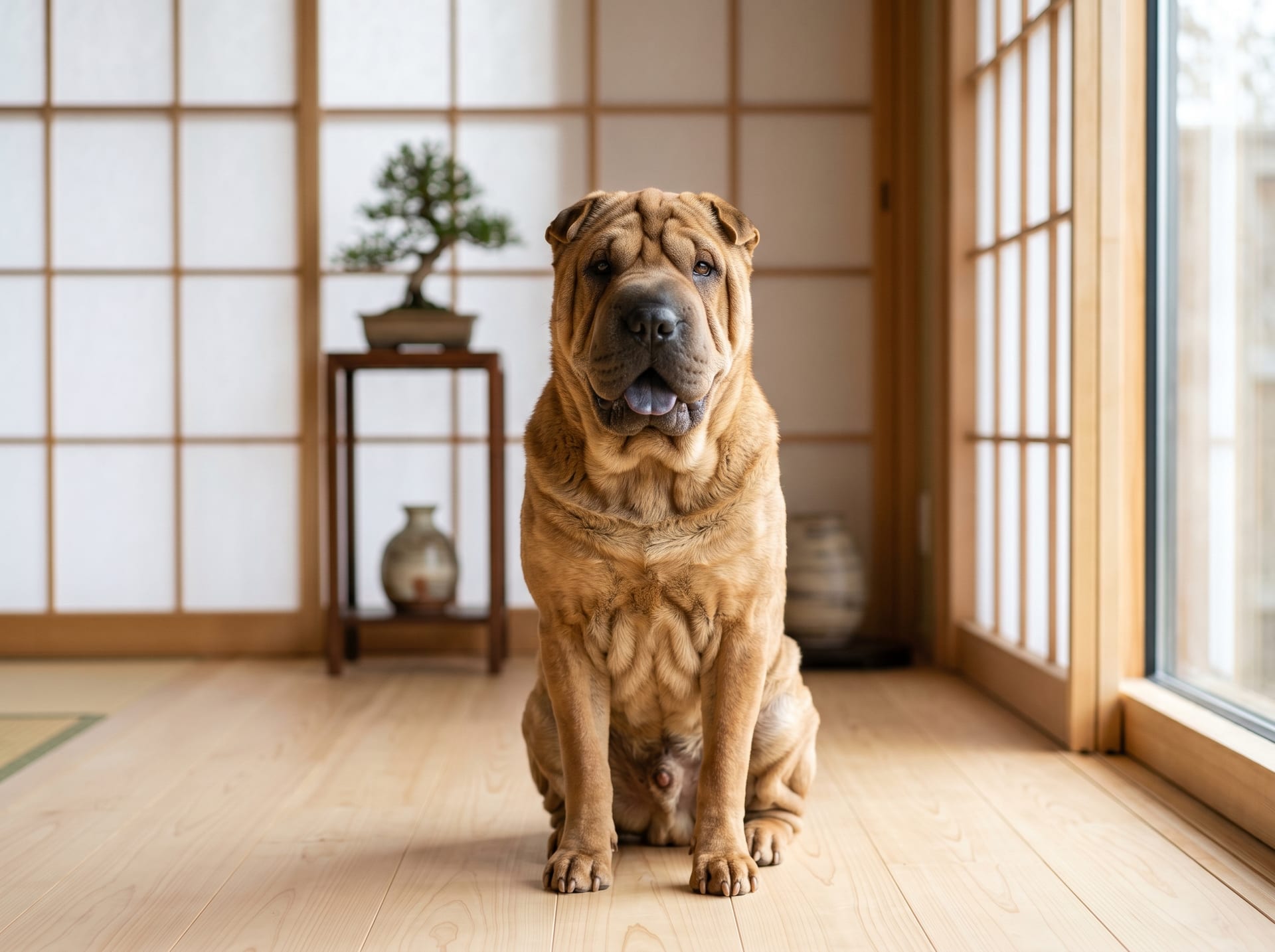
Shar Pei
Chinese medium breed with distinctive deep wrinkles. Independent, loyal to family yet wary of strangers.
View Shar Pei encyclopedia →- Price Range
- ¥200,000〜¥548,000
0% commission on your first sales!Register by September 30, 2026 and your first 2 sales are commission-free!
Breeder Wanted!
List on BreederDirect and sell directly to customers nationwide!
4 Trust Pillars from BreederDirect
All puppy listings include full disclosure from verified Breeder. BreederDirect enforces legally-mandated standards for safe, transparent direct purchases.
- MicrochipRequired
- Vaccinated
- Health Exam
- Pedigree Certificate
※ Microchip implantation is mandatory for breeders under Japan's Animal Protection Law (effective June 2022).
Secure transaction guarantee
Dogs & cats onlyEvery BreederDirect transaction is covered by our transaction guarantee. If you cannot receive your pet, you will be fully refunded. A health guarantee also covers you after handover.
Learn about transaction safety →Browse all 129 breeds
Verified breeders wanted for Dogs
Breeders are signing up now ahead of launch. Subscribe to be notified when new listings go live.
Getting alerts is free with a member account. When new listings match your saved search, we'll notify you by email and in-app.
Browse other categories
Verified breeders (preview)

Shar Pei key facts
- Care level
- Advanced
- Lifespan
- 8-12 years
- Size
- Height 44-51cm / Weight 18-29kg
- Diet
- Medium-breed food, twice daily
- Temperament
- Independent, deeply loyal to family
- Exercise
- 45-60 min daily exercise
- Coat Care
- Short coat. Keep wrinkles clean to prevent infection
- Origin
- China
About Shar Pei
The Shar Pei is an ancient breed originating from Guangdong Province in southern China, historically used as a guard dog and fighting dog. Its name means "sand skin" in Cantonese, reflecting its coarse, short coat and the deep, dramatic wrinkles that cover its body. While wrinkles become less pronounced with age, heavy folding around the head, neck, and shoulders persists into adulthood. The small rounded ears, broad hippopotamus-like muzzle, and distinctive blue-black tongue give the Shar Pei an appearance unlike any other breed. In temperament, Shar Peis are calm, loyal, and affectionate with their families, yet naturally reserved around strangers. Often described as "cat-like" due to their independence, they thrive with proper socialization and consistent training. Due to breed-specific health considerations involving the skin, eyes, and kidneys, the Shar Pei is best suited to owners with some prior dog-keeping experience.
7 things to know before welcoming a Shar Pei
1Wrinkle Care Is Essential
The deep folds trap moisture easily, making skin infections and yeast issues a real risk if left unattended. After baths or walks, gently wipe between each fold and ensure the skin is completely dry. Using dog-safe wipes or dry cotton pads makes daily maintenance more manageable.
2Watch for Eye Problems
Entropion, a condition where the eyelids roll inward, is a hereditary issue commonly seen in Shar Peis. If your dog squints frequently or shows excessive tearing, consult a veterinarian promptly. Severe cases may require surgical correction to prevent corneal damage.
3Socialize Early and Consistently
Shar Peis are naturally wary of strangers and unfamiliar dogs, and insufficient socialization can lead to territorial or aggressive behavior. Expose puppies to diverse people, environments, and sounds from an early age using positive reinforcement. Early investment in socialization pays dividends for the dog's entire life.
4Independent Mind Needs Smart Training
Shar Peis are intelligent but strong-willed, tending to bore quickly with repetitive drills. Short training sessions with high-value rewards and consistent rules yield the best results. Punishment-based methods often backfire with this breed; positive reinforcement is strongly recommended.
5Moderate Exercise Is Sufficient
Shar Peis are not overly energetic; two 30-minute walks per day generally meet their exercise needs. They are heat-sensitive, so avoid midday outings in summer and stick to cooler morning or evening hours. They tend to be calm indoors, making them well-suited to apartment living.
6Be Aware of Shar Pei Fever
Familial Shar Pei Fever (FSF) is a hereditary inflammatory condition unique to this breed, characterized by recurring episodes of fever and swollen hocks. Left untreated, it can lead to amyloid deposits in the kidneys and eventual chronic renal failure. Regular health checks and prompt veterinary care during fever episodes are strongly advised.
7Budget for Higher Veterinary Costs
Shar Peis carry a higher-than-average risk of breed-specific health issues including skin conditions, eye problems, and hereditary kidney disease. Budget for regular dermatology, ophthalmology, and renal function screenings, as well as potential surgical costs. Enrolling in pet insurance early can help manage unexpected veterinary expenses.
Frequently asked questions about Shar Pei
- Q.Is the Shar Pei suitable for first-time dog owners?
- A.The Shar Pei's independent and strong-willed nature makes it better suited to owners with some dog-handling experience. Training, socialization, and breed-specific health care all require patience and knowledge. First-time owners can succeed but are advised to work closely with a professional trainer and veterinarian.
- Q.Do Shar Peis shed a lot or have a strong odor?
- A.Shar Peis are relatively low shedders thanks to their short coat, and regular brushing during shedding seasons keeps it manageable. However, sebum and moisture can accumulate in the folds, causing odor if not cleaned regularly. Routine bathing and consistent wrinkle care are key to keeping the dog fresh and clean.
- Q.Can Shar Peis get along with other pets and children?
- A.When raised alongside other pets and children from a young age, Shar Peis can coexist well. However, their wariness and territorial instincts mean unsupervised interactions with small children or unfamiliar dogs should be avoided. Thorough socialization and ongoing training are essential for harmonious multi-pet or family households.
- Q.Are there diseases specific to the Shar Pei breed?
- A.Familial Shar Pei Fever (FSF), a hereditary periodic fever syndrome with long-term risk of renal amyloidosis, is the most well-known breed-specific condition. Entropion and skin fold dermatitis are also common concerns. Regular veterinary check-ups and early detection form the foundation of health management for this breed.
- Q.What is the average lifespan and monthly cost of keeping a Shar Pei?
- A.The Shar Pei's average lifespan is approximately 8 to 12 years. Monthly costs including food, consumables, and routine check-ups typically range from 20,000 to 40,000 yen, though breed-specific skin care products and potential treatments can increase this figure. Pet insurance is a practical way to prepare for unexpected high veterinary costs.
Useful tools for Shar Pei care
Learn more about Shar Pei in the encyclopedia
View Shar Pei encyclopedia entry →
Care difficulty, lifespan, size and diet — all basics covered.
More in this category
Can't find the one you're looking for?
Post your wishes for free and breeders with matching animals will contact you with introductions.