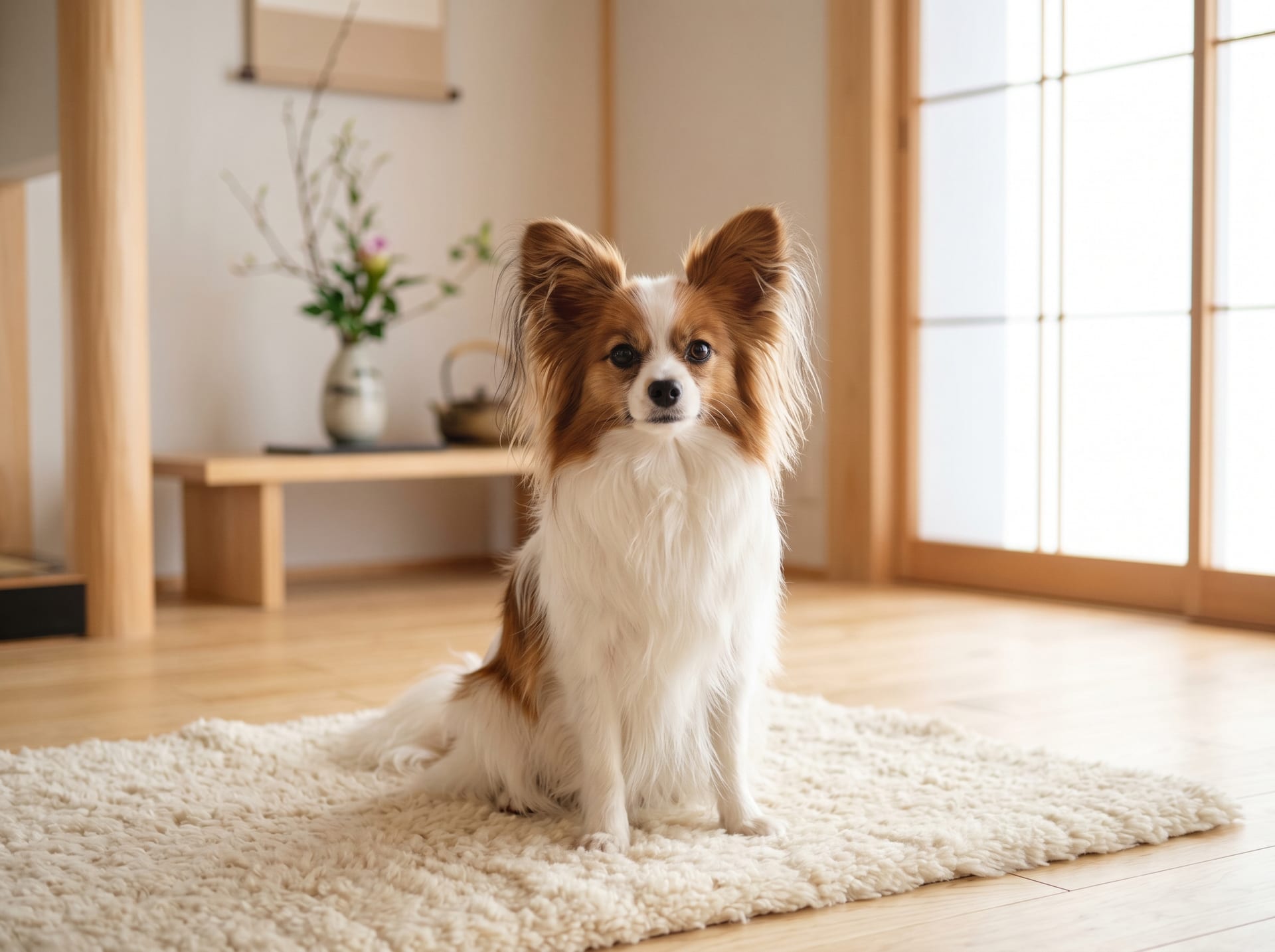
Elegant toy dog with butterfly-like ears. One of the smartest small breeds, excels in training and dog sports.
View Papillon encyclopedia →First 3 sales - 0% commission!Register as a breeder by July 31, 2026 and your first 3 sales are commission-free!
Breeder Wanted!
List on BreederDirect and sell directly to customers nationwide!
All puppy listings include full disclosure from verified Breeder. br-choku enforces legally-mandated standards for safe, transparent direct purchases.
※ Microchip implantation is mandatory for breeders under Japan's Animal Protection Law (effective June 2022).
Every br-choku transaction is covered by our transaction guarantee. If you cannot receive your pet, you will be fully refunded. A health guarantee also covers you after handover.
Breeders are signing up now ahead of launch. Subscribe to be notified when new listings go live.
Getting alerts is free with a member account. When new listings match your saved search, we'll notify you by email and in-app.
Are you raising dogs?
Register as a breeder and connect with buyers directly.
The name Papillon comes from the French word for "butterfly," a fitting tribute to the breed's most iconic feature: large, wing-like ears framed by flowing fringes. Cherished by European nobility during the Renaissance era, the breed is said to have been a favorite of Marie Antoinette herself. Papillons typically weigh between 3 and 5 kilograms, with a slender frame and silky, flowing coat that lend an air of elegance. In temperament, they are lively and highly intelligent, with a learning aptitude that makes them standout performers in obedience trials and agility competitions. They form strong bonds with their families and generally coexist well with children and other pets, while displaying a boldness that belies their small size. Adaptable to apartment living when given adequate mental and physical stimulation, the Papillon is a captivating companion dog that brings both charm and energy to any household.
1Exceptional Intelligence
Papillons rank among the most intelligent small breeds and pick up new commands with impressive speed. Their sharp minds need regular mental engagement, as boredom can lead to unwanted behaviors. Puzzle toys and short daily training sessions are especially effective ways to keep them stimulated.
2More Exercise Than Expected
Despite their small size, Papillons are energetic and benefit from around 30 minutes of daily walks and play. They enjoy moving around indoors, making them well-suited to smaller living spaces. Many Papillons excel in dog sports such as agility, which also provides great mental and physical outlets.
3Sensitivity to Cold
Papillons have a single-layer coat that offers limited insulation, making them somewhat sensitive to cold weather. Dog clothing can be helpful during winter walks on chilly days. Maintaining a comfortable indoor temperature is also important for their well-being.
4Dental Care Is Essential
Like many small breeds, Papillons are prone to dental issues and require consistent dental care. Daily tooth brushing is ideal, though a few times a week is a practical minimum. Regular veterinary dental checkups are important, as poor oral health can affect overall well-being.
5Watch for Luxating Patella
Papillons are known to be susceptible to luxating patella, a condition where the kneecap slips out of place. Minimizing jumping from heights and using ramps or steps for furniture can help reduce strain on their joints. Any noticeable changes in gait should be checked by a veterinarian promptly.
View Papillon encyclopedia entry →
Care difficulty, lifespan, size and diet — all basics covered.
6Grooming Reality
Despite their long-looking coat, Papillons have silky fur that resists matting and can be maintained with brushing two to three times a week. Shedding increases slightly during seasonal coat changes but is generally manageable compared to other long-coated breeds. The feathered ears and paw fur benefit from periodic trimming.
7Early Socialization Matters
Papillons can develop wariness toward strangers if not properly socialized from an early age. Exposure to a variety of people, dogs, and environments during puppyhood helps build a confident and well-rounded temperament. Puppy classes are a practical way to address both socialization and foundational training at the same time.