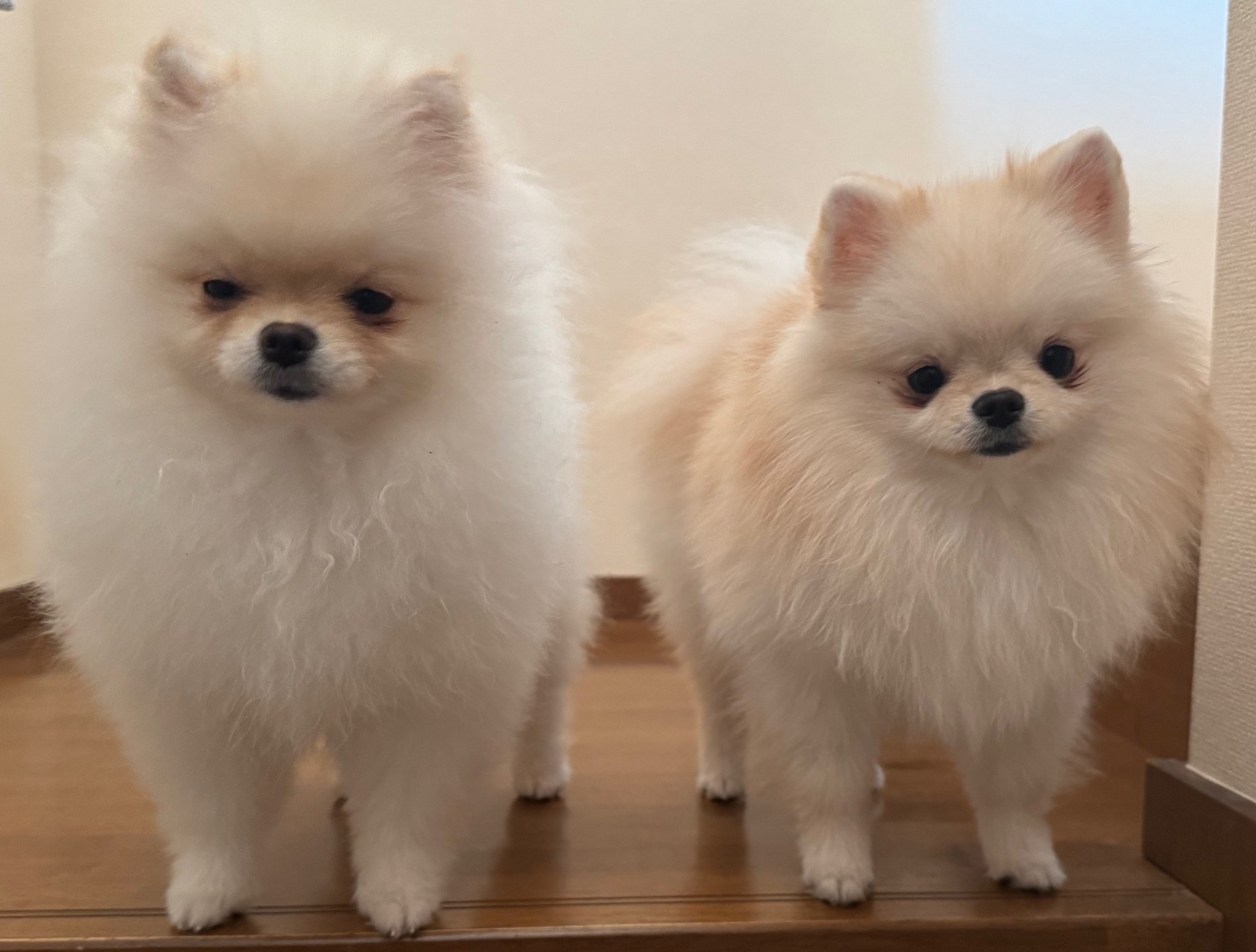
Fluffy, vivacious toy breed with a confident personality and expressive nature.
View Pomeranian encyclopedia →First 3 sales - 0% commission!Register as a breeder by July 31, 2026 and your first 3 sales are commission-free!
Breeder Wanted!
List on BreederDirect and sell directly to customers nationwide!
All puppy listings include full disclosure from verified Breeder. br-choku enforces legally-mandated standards for safe, transparent direct purchases.
※ Microchip implantation is mandatory for breeders under Japan's Animal Protection Law (effective June 2022).
Every br-choku transaction is covered by our transaction guarantee. If you cannot receive your pet, you will be fully refunded. A health guarantee also covers you after handover.
Breeders are signing up now ahead of launch. Subscribe to be notified when new listings go live.
Getting alerts is free with a member account. When new listings match your saved search, we'll notify you by email and in-app.
Are you raising dogs?
Register as a breeder and connect with buyers directly.

The Pomeranian traces its origins to the Pomerania region on the German-Polish border, where it descended from much larger working sled dogs. The breed was miniaturized in the 19th century after Queen Victoria brought small specimens to England, eventually developing into the compact toy dog known today. Adults typically weigh 1.8–3.5 kg and are recognized by their profuse double coat, tightly curled tail, and distinctive fox-like face. Coat colors range from the classic orange and cream to white, black, and parti-color, with the round-faced "teddy bear" type gaining particular popularity in recent years. Personality-wise, Pomeranians are curious, confident, and highly expressive with their owners — bold enough to challenge dogs many times their size. They respond well to positive reinforcement and enjoy learning tricks, making them a rewarding breed for first-time owners willing to commit to consistent training and grooming. With a lifespan of 12–16 years, they are a long-term companion packed into a very small body.
1Coat Care Takes Commitment
The Pomeranian's thick double coat benefits from daily brushing to prevent tangles and matting. Shedding increases significantly during spring and fall, so extra grooming during these seasons is important. Regular professional grooming every 4 to 6 weeks is also recommended.
2Barking Needs Early Training
Pomeranians are alert and tend to bark at unfamiliar sounds or visitors. Teaching a "quiet" command from puppyhood helps prevent excessive barking from becoming a habit. Consistent, patient training early on makes a significant difference in the long run.
3Small Bones, Real Fragility
Pomeranians have delicate bones that are prone to fractures and patellar luxation from falls or rough handling. Using pet stairs and keeping the floor environment safe helps reduce injury risk. Extra care is especially important during the puppy stage.
4More Exercise Than You'd Expect
Despite their small size, Pomeranians are energetic and benefit from two short walks a day, totaling around 30 minutes. Insufficient exercise can lead to stress or unwanted behaviors. Indoor play sessions that challenge them mentally are also a great supplement.
5Sensitive to Temperature Extremes
Pomeranians are especially vulnerable to heat, making air conditioning essential during summer months. In colder seasons, while their coat provides some insulation, puppies and senior dogs may still benefit from a light sweater. Avoid outdoor activities during the hottest parts of the day.
View Pomeranian encyclopedia entry →
Care difficulty, lifespan, size and diet — all basics covered.
Complete Guide to Canine Patellar Luxation (Patella) | Symptoms, Grades, Treatment, Prevention, and Daily Care
A comprehensive guide to patellar luxation (patella), common in small dog breeds—covering symptoms, grade classification, treatment methods, surgical procedures, rehabilitation, and prevention strategies. Essential reading for owners of Chihuahuas, Toy Poodles, and Pomeranians.
Complete Guide to Pomeranian Care | Coat Care, Training, and Common Health Issues
A comprehensive guide covering coat care, diet, training, and health management essential for raising a Pomeranian. Practical advice for both first-time Pomeranian owners and experienced breeders.
Dog Patellar Luxation: Symptoms, Grading, Surgery, and Management Guide
A comprehensive guide to patellar luxation (patella) in small breeds, covering symptoms, severity grades (1–4), surgical necessity assessment, post-operative rehabilitation methods, and preventive muscle-strengthening exercises. Essential information for owners of Chihuahuas, Pomeranians, and Toy Poodles.
6Independent Yet Affectionate
Pomeranians are confident and independent, yet they can also be very attached to their owners. Prolonged time alone may trigger separation anxiety, so gradually getting them used to being alone for short periods is important from an early age.
7Plan for Ongoing Costs
Ongoing costs for a Pomeranian include grooming every 4 to 6 weeks (typically 6,000 to 10,000 yen per session), food, and regular vet check-ups. These expenses add up, so budgeting in advance is essential. Pet insurance can help manage unexpected medical costs.