Complete Guide to Pomeranian Care | Coat Care, Training, and Common Health Issues
A comprehensive guide covering coat care, diet, training, and health management essential for raising a Pomeranian. Practical advice for both first-time Pomeranian owners and experienced breeders.
Key Takeaways
A comprehensive guide covering coat care, diet, training, and health management essential for raising a Pomeranian. Practical advice for both first-time Pomeranian owners and experienced breeders.
Pomeranian Characteristics and Basic Information
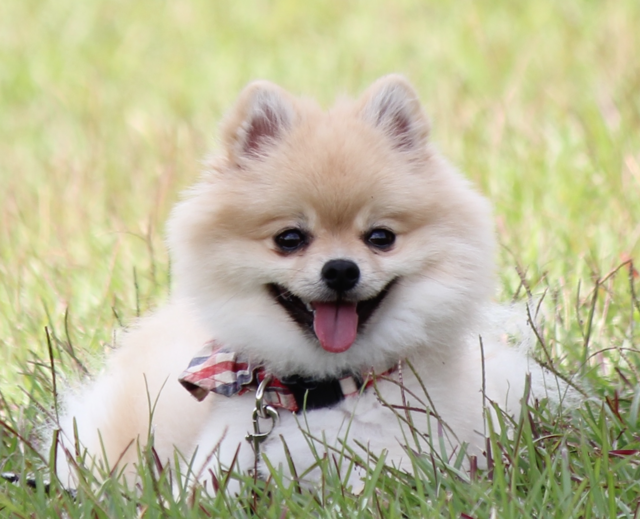
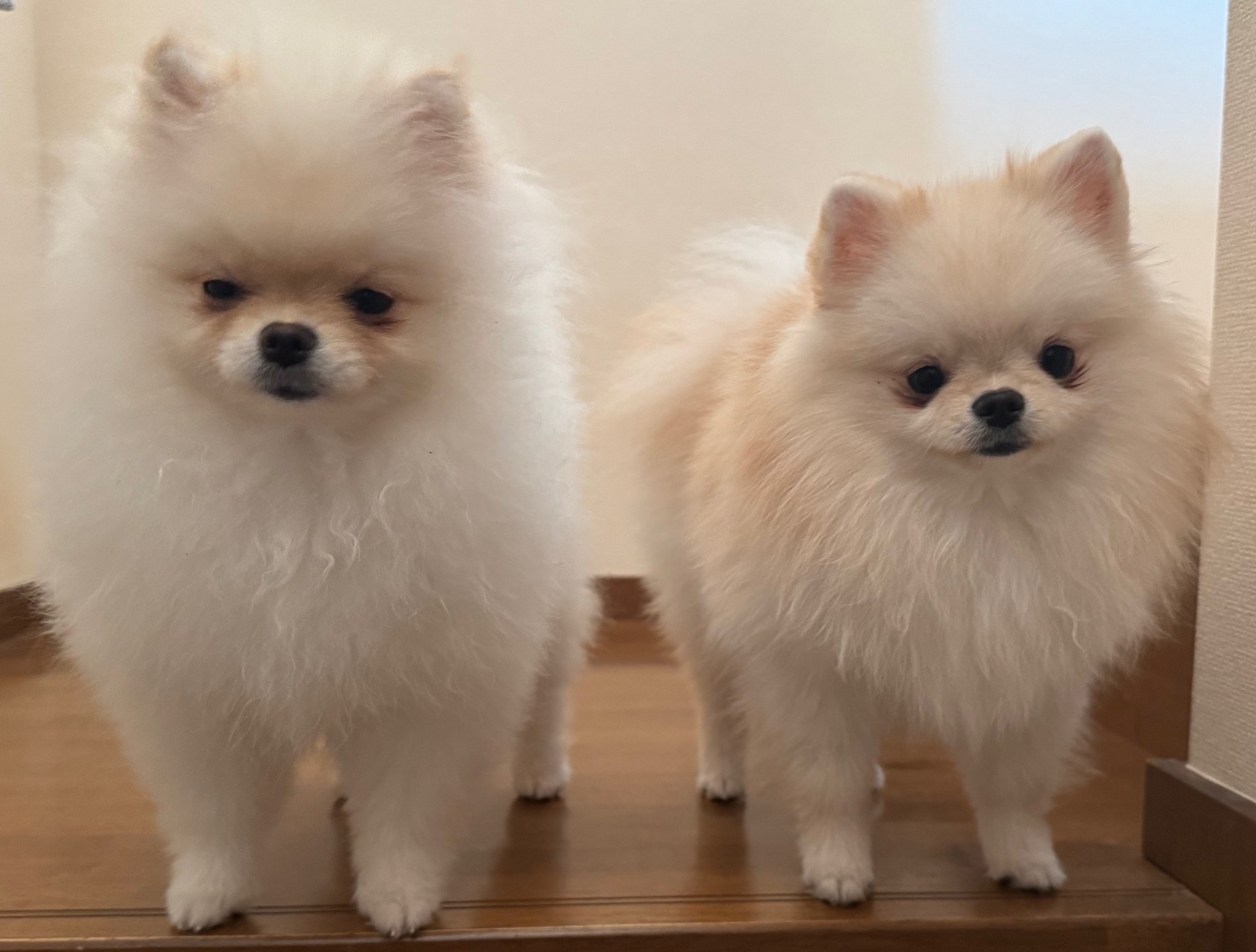
Pomeranians are small Spitz-type dogs, with adult weights typically ranging from 1.8 to 3.5 kg. They are characterized by their fluffy double-layered coat and sharp, fox-like facial features, and have enjoyed consistent popularity in Japan for many years. Originally from the Pomerania region of Germany, they are a miniaturized version of the medium-sized Spitz sled dogs that were once used for pulling sleds.
✍️
BreederDirect Editorial
The BreederDirect editorial team specializes in care information for animals, covering veterinary care and breeding to deliver beginner-friendly guides.
Find Dogs on BreederDirect
Buy directly from verified breeders
Browse Related Listings
Find Dogs listings related to this article on BreederDirect. Buy directly from verified breeders.
Pomeranians are curious, active, and affectionate, yet possess a strong sense of self-assertion. While intelligent with good learning ability, they can also be stubborn; it is important for owners to provide clear leadership. They tend to bark frequently, so proper training should begin while they are puppies.
Basics of Coat Care
The double coat, which is the Pomeranian's most distinctive feature, requires daily brushing. Ideally, brush them every day, or at minimum three to four times per week. Neglecting this can lead to matting and skin problems.
Brushing Steps
Use a slicker brush to loosen surface tangles
Comb gently from the roots with a fine-toothed comb
Finish with a pin brush to add shine to the coat
During shedding seasons (spring and autumn), hair loss increases dramatically. During these periods, in addition to daily brushing, using an undercoat rake designed for pets is highly effective. Bathe them once or twice per month. Over-washing removes natural oils and damages the coat, so caution is needed. After shampooing, thoroughly dry them with a blow dryer and avoid leaving them damp.
Regarding trimming, extreme cuts such as a "lion cut" or "teddy bear cut" may trigger "Pomeranian alopecia (alopecia X)," a condition where the coat fails to regrow. Discuss styling options carefully with a professional groomer.
Diet and Nutrition Management
Feed a complete and balanced small-breed formula appropriate for their age (puppy, adult, or senior). Pomeranians have high energy metabolism relative to their small size and are prone to hypoglycemia. During puppyhood especially, divide meals into three to four small portions per day.
Feeding Guidelines
Adjust meal portions to approximately 40–50 kcal per kilogram of body weight per meal
Obesity increases the risk of patellar luxation (patella), so maintain appropriate weight
Strictly avoid foods toxic to dogs such as chocolate, grapes, and onions
Always provide fresh water and encourage hydration
When selecting commercial dog food, prioritize products that list meat or fish as the first ingredient. If choosing grain-free formulas, consult with your veterinarian about potential links to heart disease risks.
Training and Obedience
Pomeranians are intelligent and respond well to positive reinforcement training. The key to success is consistently rewarding good behavior rather than punishing mistakes.
Essential Commands to Teach
Basic three: "sit," "down," and "wait"
"come" when called by name
"quiet" to reduce excessive barking
Excessive barking is the most common complaint Pomeranian owners face. Reacting to or scolding them when they bark can reinforce the behavior. Instead, reward them the moment they stop barking. For greeting-related barking, redirecting with an alternative behavior such as "touch" (nose to hand) is effective.
Socialization training is ideally concentrated during the socialization window from 3 to 12 weeks of age. Exposing them to various people, sounds, and environments helps prevent excessive fear responses and aggression.
Common Health Issues and Health Management
Being aware of health conditions that commonly affect Pomeranians can enable early detection and treatment.
Patellar Luxation (Patella)
The most common orthopedic condition in Pomeranians. Cases are classified into grades 1–4, with grade 3 and above often requiring surgery. Preventive measures include placing non-slip mats on hardwood floors and preventing jumps from high places.
Tracheal Collapse
A condition where the trachea collapses, causing breathing difficulty. It is characterized by a distinctive "honking" cough similar to a duck's quack. Obesity, overly tight harnesses, and excessive excitement can worsen the condition. Severe cases may require surgical intervention.
Alopecia X (Black Skin Disease)
A hair loss condition suspected to result from hormonal abnormalities, typically beginning on the back. While not life-threatening, it significantly affects appearance. Confirmed treatments are limited, though spaying or neutering sometimes improves the condition.
Periodontal Disease
Small breeds have narrow mouths with tightly packed teeth, making them prone to dental disease. Daily tooth brushing is ideal, with dental chews and sprays as supplementary aids.
Regular health check-ups (once yearly for adults, twice yearly for seniors) and consistent vaccination and heartworm prevention are fundamental to longevity. Pomeranians typically live 12–16 years, trending toward the longer end of the small-breed lifespan.
Exercise and Living Environment
Although small, Pomeranians are surprisingly active and ideally require two 20–30 minute walks daily. While they can exercise adequately indoors, outdoor walks are important for mental stimulation.
As a heat-sensitive breed, preventing heatstroke is critical during summer months. Schedule walks during cool morning and evening hours, and be mindful of ground temperature on asphalt. Keep indoor air conditioning set between 26–28°C.
Provide a crate or pen as a secure "safe space" where the dog feels secure. The minimum size should allow the dog to stand on their hind legs and turn around. Crate training enables the dog to remain calm during veterinary visits and travel.