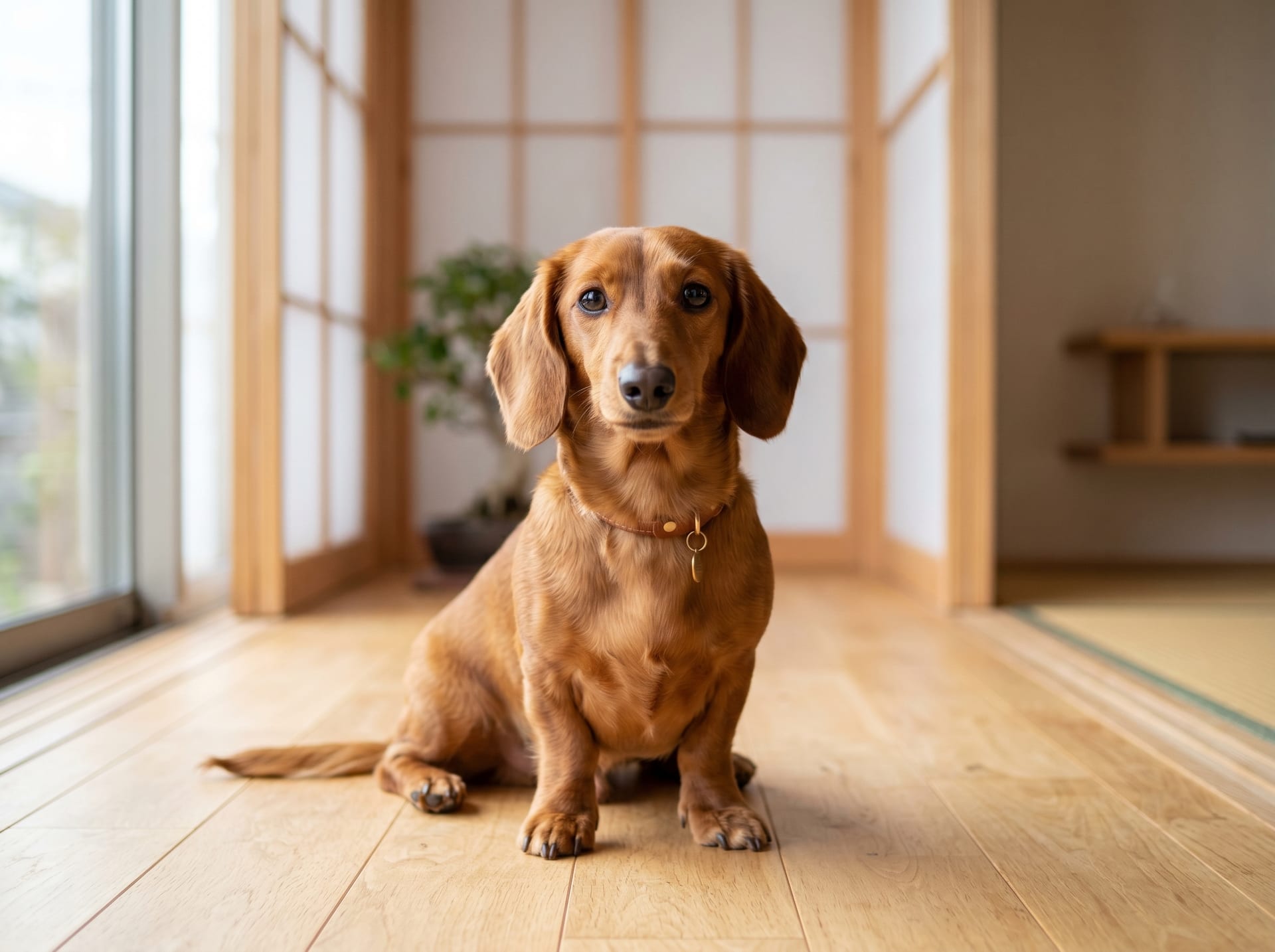
Miniature Dachshund
Distinctive long-bodied, short-legged hunting dog. Curious, playful, and available in three sizes.
View Miniature Dachshund encyclopedia →- Price Range
- ¥200,000〜¥660,000
0% commission on your first sales!Register by September 30, 2026 and your first 2 sales are commission-free!
Breeder Wanted!
List on BreederDirect and sell directly to customers nationwide!
4 Trust Pillars from BreederDirect
All puppy listings include full disclosure from verified Breeder. BreederDirect enforces legally-mandated standards for safe, transparent direct purchases.
- MicrochipRequired
- Vaccinated
- Health Exam
- Pedigree Certificate
※ Microchip implantation is mandatory for breeders under Japan's Animal Protection Law (effective June 2022).
Secure transaction guarantee
Dogs & cats onlyEvery BreederDirect transaction is covered by our transaction guarantee. If you cannot receive your pet, you will be fully refunded. A health guarantee also covers you after handover.
Learn about transaction safety →Browse all 129 breeds
Verified breeders wanted for Dogs
Breeders are signing up now ahead of launch. Subscribe to be notified when new listings go live.
Getting alerts is free with a member account. When new listings match your saved search, we'll notify you by email and in-app.
Browse other categories
Verified breeders (preview)
Miniature Dachshund key facts
- Care level
- Beginner-friendly
- Lifespan
- 12-15 years
- Size
- Height 13-23cm / Weight 3-9kg (varies by size)
- Diet
- Caloric management important to prevent obesity. Small-breed food twice daily.
- Temperament
- Cheerful and curious with a stubborn streak. Very affectionate.
- Exercise
- 30-60 min walk daily. Avoid jumping and stairs to protect the spine.
- Coat Care
- Smooth, long, and wire-haired. Smooth requires minimal care; long-haired needs regular brushing.
- Origin
- Germany
- Notes
- High risk of intervertebral disc disease. Prevent obesity and restrict jumping.
About Miniature Dachshund
The Miniature Dachshund traces its origins to 16th-century Germany, where it was selectively bred to pursue badgers into underground burrows. Its name literally means "badger dog" in German, and the breed's distinctive long body, short legs, and broad forepaws are a direct product of that purpose. Three sizes exist — Standard, Miniature, and Kaninchen — with the Miniature being by far the most popular in Japan. Coat types come in smooth, longhaired, and wirehaired varieties, each with different grooming needs and visual appeal. In personality, Miniature Dachshunds are curious, playful, and intensely loyal to their families. Their hunting heritage, however, also gives them a streak of independence and stubbornness that calls for patient, consistent training from an early age. Positive reinforcement and thorough socialization during puppyhood are the foundations of a well-mannered companion. The breed's most important health consideration is intervertebral disc disease (IVDD); thoughtful home management — ramps, weight control, and avoiding high-impact activity — can go a long way toward a long, comfortable life.
Featured breeders for Miniature Dachshund
See all Miniature Dachshund breeders (2) →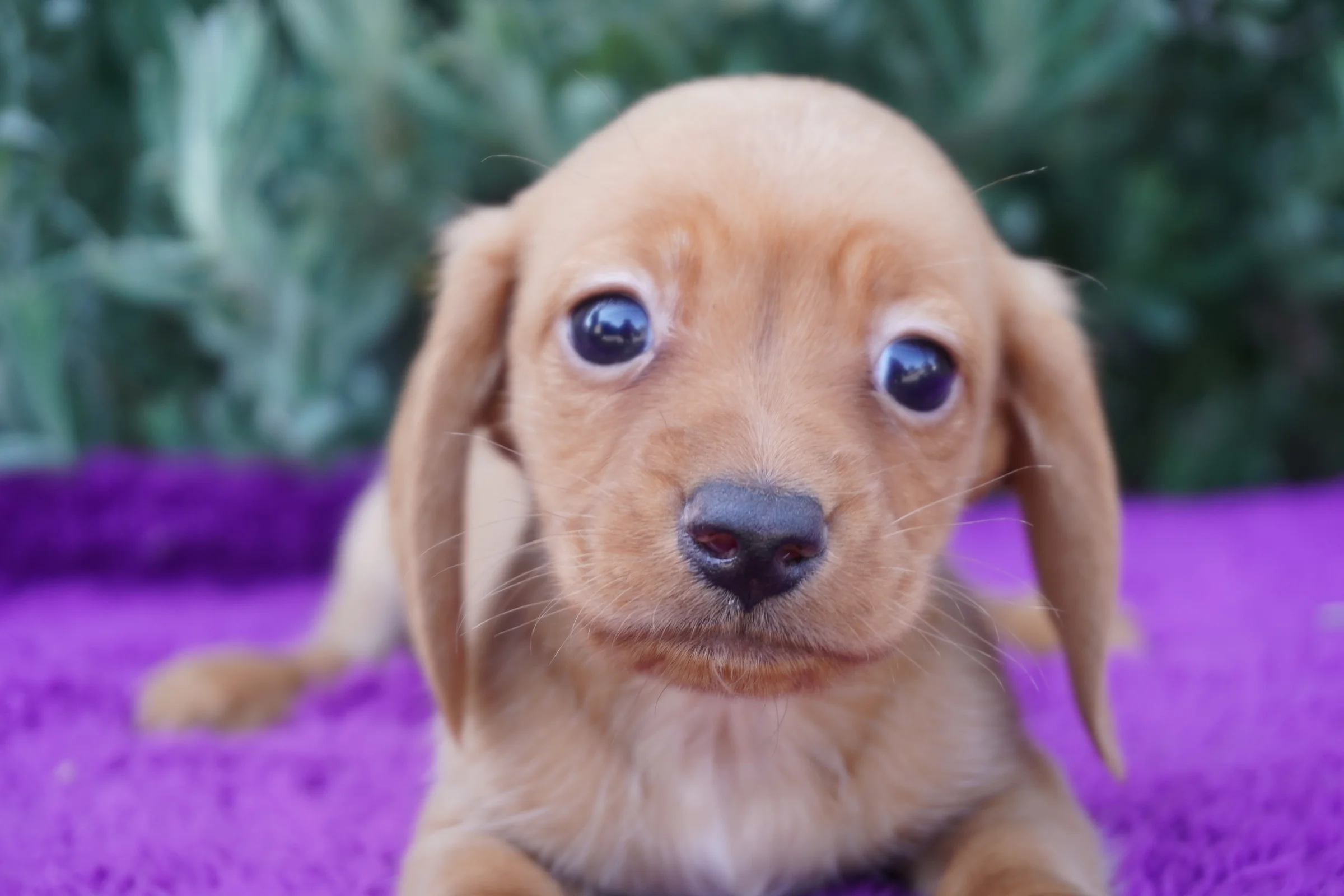
7 things to know before welcoming a Miniature Dachshund
1Watch for Spinal Issues
Dachshunds are prone to intervertebral disc disease (IVDD) due to their elongated spine and short legs. Repeated jumping on and off furniture puts significant stress on the back, so using ramps or steps is recommended. If you notice unusual gait or hind leg weakness, consult a veterinarian promptly.
2More Exercise Than You'd Think
Despite its small size, this breed has hunting instincts and benefits from two daily walks totaling 30–60 minutes. Insufficient exercise leads to obesity, which places added strain on the spine. Avoid high-impact jumping and sharp turns that can stress the back.
3Tends to Bark Loudly
Dachshunds are alert and tend to bark at unfamiliar sounds or people. In apartments or multi-unit housing, this can be a concern for neighbors. Early socialization and consistent training of a "quiet" command can help manage excessive barking.
4Stubborn Streak in Training
Their independent, hunting-bred nature means Dachshunds can be stubborn and self-directed. Housetraining and basic commands may take extra time and patience. Short, frequent positive reinforcement sessions using treats tend to be the most effective approach.
5Grooming Varies by Coat Type
Smooth coats require only 1–2 brushings per week, while longhaired Dachshunds need daily brushing and regular trimming. Wirehaired coats benefit from hand-stripping during shedding seasons. Consider how much grooming time fits your lifestyle when choosing a coat type.
6Obesity is a Serious Risk
Dachshunds have hearty appetites and are skilled at begging, making obesity a common concern. Extra weight directly increases pressure on the spine and raises the risk of disc problems. Stick to portion sizes appropriate for their age and weight, and keep treats to a minimum.
7Expected Costs to Plan For
Purchase prices from breeders typically range from 200,000 to 500,000 yen depending on coat type, color, and lineage. Surgical treatment for IVDD can cost 300,000 to 600,000 yen or more, making pet insurance strongly worth considering. Ongoing monthly costs including food, vaccines, and checkups generally run around 10,000–20,000 yen.
Frequently asked questions about Miniature Dachshund
- Q.Can Miniature Dachshunds live in apartments?
- A.Yes, they can thrive in apartments as long as they get regular exercise and barking is managed early. Two daily walks and consistent training from puppyhood make apartment life work well. Installing ramps to minimize jumping also helps protect their spines in smaller living spaces.
- Q.What is the typical lifespan?
- A.Miniature Dachshunds typically live 12 to 16 years, making them one of the longer-lived small breeds. Maintaining a healthy weight, scheduling regular vet check-ups, and protecting their spine all contribute to a longer, healthier life.
- Q.Do they get along with children and other pets?
- A.With proper socialization, they generally get along well with children and other dogs. However, young children should be taught to handle them gently to avoid spinal injury. Their prey drive may surface around cats or small animals, so careful, gradual introductions are recommended.
- Q.What is the difference between smooth, long, and wirehaired coats?
- A.Smooth coats are short and low-maintenance, requiring only weekly brushing. Longhaired coats are silky and beautiful but need daily combing to prevent mats. Wirehaired coats shed less but benefit from hand-stripping a few times a year. Consider the time you can commit to grooming alongside your aesthetic preference.
- Q.How can I help prevent disc disease (IVDD)?
- A.The key preventive measures are using ramps and steps to avoid jumping, and keeping your dog at a healthy weight. Avoid rough play that involves twisting or sudden direction changes. If you notice signs like reluctance to move, back pain, or weakness in the hind legs, consult a vet promptly — early intervention improves outcomes significantly.
Useful tools for Miniature Dachshund care
Learn more about Miniature Dachshund in the encyclopedia
View Miniature Dachshund encyclopedia entry →
Care difficulty, lifespan, size and diet — all basics covered.
Miniature Dachshund related articles
Miniature Dachshund Care Guide | Preventing Intervertebral Disc Disease, Diet & Training
Comprehensive guide to caring for Miniature Dachshunds. Learn about preventing intervertebral disc disease (IVDD)—a condition unique to "chondrodystrophic breeds"—through safe handling (avoiding falls from high places, using harnesses), weight management strategies, ear care, and toilet training methods suited to their stubborn temperament.
Top 5 Dog Breeds Recommended for First-Time Dog Owners | Carefully Selected Easy-to-Raise Breeds
5 dog breeds for beginners. Explanation of easy-to-raise breeds including Toy Poodles, Shiba Inus, Miniature Dachshunds, and more.
More in this category
Can't find the one you're looking for?
Post your wishes for free and breeders with matching animals will contact you with introductions.