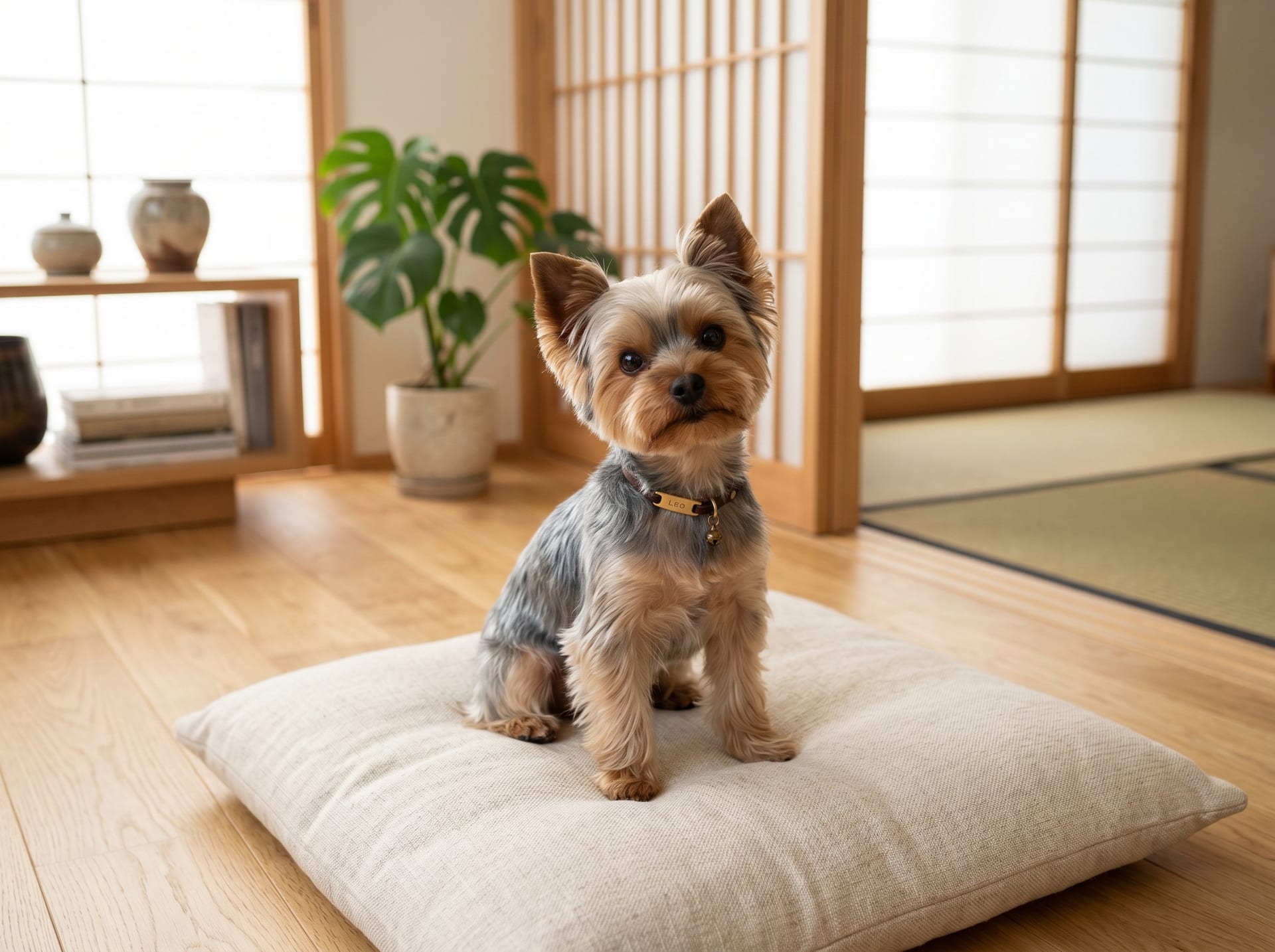
Yorkshire Terrier
Tiny dog with a silky, elegant coat. Bold and confident despite its small size. Devoted to its owner.
View Yorkshire Terrier encyclopedia →- Price Range
- ¥200,000〜¥548,000
0% commission on your first sales!Register by September 30, 2026 and your first 2 sales are commission-free!
Breeder Wanted!
List on BreederDirect and sell directly to customers nationwide!
4 Trust Pillars from BreederDirect
(Verified across 1 listings)All puppy listings include full disclosure from verified Breeder. BreederDirect enforces legally-mandated standards for safe, transparent direct purchases.
- MicrochipRequired
- Vaccinated
- Health Exam
- Pedigree Certificate
※ Microchip implantation is mandatory for breeders under Japan's Animal Protection Law (effective June 2022).
Secure transaction guarantee
Dogs & cats onlyEvery BreederDirect transaction is covered by our transaction guarantee. If you cannot receive your pet, you will be fully refunded. A health guarantee also covers you after handover.
Learn about transaction safety →Browse all 129 breeds

Yorkshire Terrier key facts
- Care level
- Beginner-friendly
- Lifespan
- 13-16 years
- Size
- Height 15-23cm / Weight 2-3.2kg
- Diet
- High-quality toy-breed food. Small portions 2-3 times daily.
- Temperament
- Brave and confident. Loyal and affectionate but can be feisty.
- Exercise
- 20-30 min walk daily. Indoor play can suffice for exercise.
- Coat Care
- Silky long coat needs daily brushing. Regular trimming recommended.
- Origin
- United Kingdom (Yorkshire)
- Notes
- Prone to tracheal collapse and hypoglycemia. Use harness. Dental care important.
About Yorkshire Terrier
The Yorkshire Terrier originated in 19th-century Yorkshire, England, where it was bred to hunt rats in mines and textile mills. Over time it captured the hearts of Victorian aristocracy and transformed into one of the world's most beloved companion dogs. Adults typically weigh under 3 kg, yet their steel-blue and tan coat — silky and luminous when kept long — gives them an air of elegance far beyond their size. In personality, Yorkies are bold, curious, and spirited, carrying the classic terrier drive alongside deep affection for their families. They can be reserved with strangers, but warm quickly in familiar company. Their exercise needs can largely be met indoors, making them well-suited to apartment living, though daily brushing and regular professional grooming are non-negotiable. It is the combination of pocket-sized stature and outsized confidence that has made the Yorkshire Terrier a lasting favorite around the globe.
Yorkshire Terrier price range
Lowest
¥200,000
Average
¥200,000
Highest
¥200,000
Based on 1 current listings
Find Yorkshire Terrier by prefecture
Featured breeders for Yorkshire Terrier
See all Yorkshire Terrier breeders (2) →
7 things to know before welcoming a Yorkshire Terrier
1Coat Care Takes Commitment
The Yorkie's silky coat is low-shedding but requires daily brushing to prevent tangles and mats. Without regular grooming, knots can lead to skin irritation and discomfort. Plan for professional trimming once or twice a month, and budget both time and money accordingly.
2Dental Care Is Essential
Yorkies have small jaws with tightly packed teeth, making them prone to dental disease. Daily brushing — or at minimum three times a week — is strongly recommended to maintain oral health. Dental chews and toys can serve as helpful supplements to regular brushing.
3Fragile Bones Need Protection
With a body weight of just 1–3 kg, Yorkies are vulnerable to fractures from falls or accidental impacts. Use low steps and non-slip mats to reduce risk, and be cautious about them jumping off furniture. Extra care is especially important during puppyhood when bones are still developing.
4Terrier Stubbornness Is Real
As a true terrier, the Yorkie is brave and independent, which can translate into stubbornness during training. Inconsistent rules or excessive coddling may lead to behavioral issues sometimes called "small dog syndrome." Start training early with clear boundaries and positive reinforcement for best results.
5Vocal Watchdog Instincts
Yorkies are alert and tend to bark at unfamiliar sounds or strangers, reflecting their watchdog heritage. In apartment settings, this can become a concern for neighbors. Early socialization and consistent training can help manage excessive barking before it becomes a habit.
6Watch for Hypoglycemia
Yorkshire Terriers, especially as puppies, are susceptible to hypoglycemia (low blood sugar) due to their tiny size. Feed them three to four small meals a day to avoid long gaps between eating. If you notice lethargy, trembling, or weakness, consult a veterinarian promptly.
7Understanding the Costs
As a popular breed, Yorkies typically cost between 200,000 and 600,000 yen from a reputable breeder. Annual upkeep — including grooming, food, and routine veterinary care — often runs 200,000 to 350,000 yen or more. Dental procedures can add unexpected costs, so pet insurance is worth considering.
Frequently asked questions about Yorkshire Terrier
- Q.Do Yorkshire Terriers shed a lot?
- A.Yorkies have hair-like coats that shed very little compared to most breeds, which many allergy-sensitive owners appreciate. However, their long coats tangle easily, so daily brushing is still essential to keep them healthy and mat-free.
- Q.Are Yorkies suitable for people living alone?
- A.Yorkies bond closely with their owners and can develop separation anxiety if left alone for long periods. Solo owners can absolutely raise a Yorkie successfully, but those with demanding schedules may want to arrange dog sitters or doggy daycare to keep their pet comfortable.
- Q.What is the typical lifespan of a Yorkshire Terrier?
- A.Yorkshire Terriers typically live 13 to 16 years, placing them among the longer-lived small breeds. Proper nutrition, routine veterinary check-ups, and consistent dental care all contribute to a longer, healthier life.
- Q.Do Yorkies get along with children and other pets?
- A.Due to their small size, Yorkies can be easily injured by very young or rough-handed children. With proper socialization, they generally get along well with gentle kids and other pets. Introducing them early in life tends to produce the most harmonious relationships.
- Q.How much exercise does a Yorkshire Terrier need?
- A.Most Yorkies do well with around 20 to 30 minutes of walking plus indoor play each day. While they are lively dogs, their small frames mean excessive exercise can cause strain, so it is best to monitor their energy levels and adjust activity accordingly.
Useful tools for Yorkshire Terrier care
Learn more about Yorkshire Terrier in the encyclopedia
View Yorkshire Terrier encyclopedia entry →
Care difficulty, lifespan, size and diet — all basics covered.
Yorkshire Terrier related articles
See more Yorkshire Terrier articles →More in this category
Can't find the one you're looking for?
Post your wishes for free and breeders with matching animals will contact you with introductions.