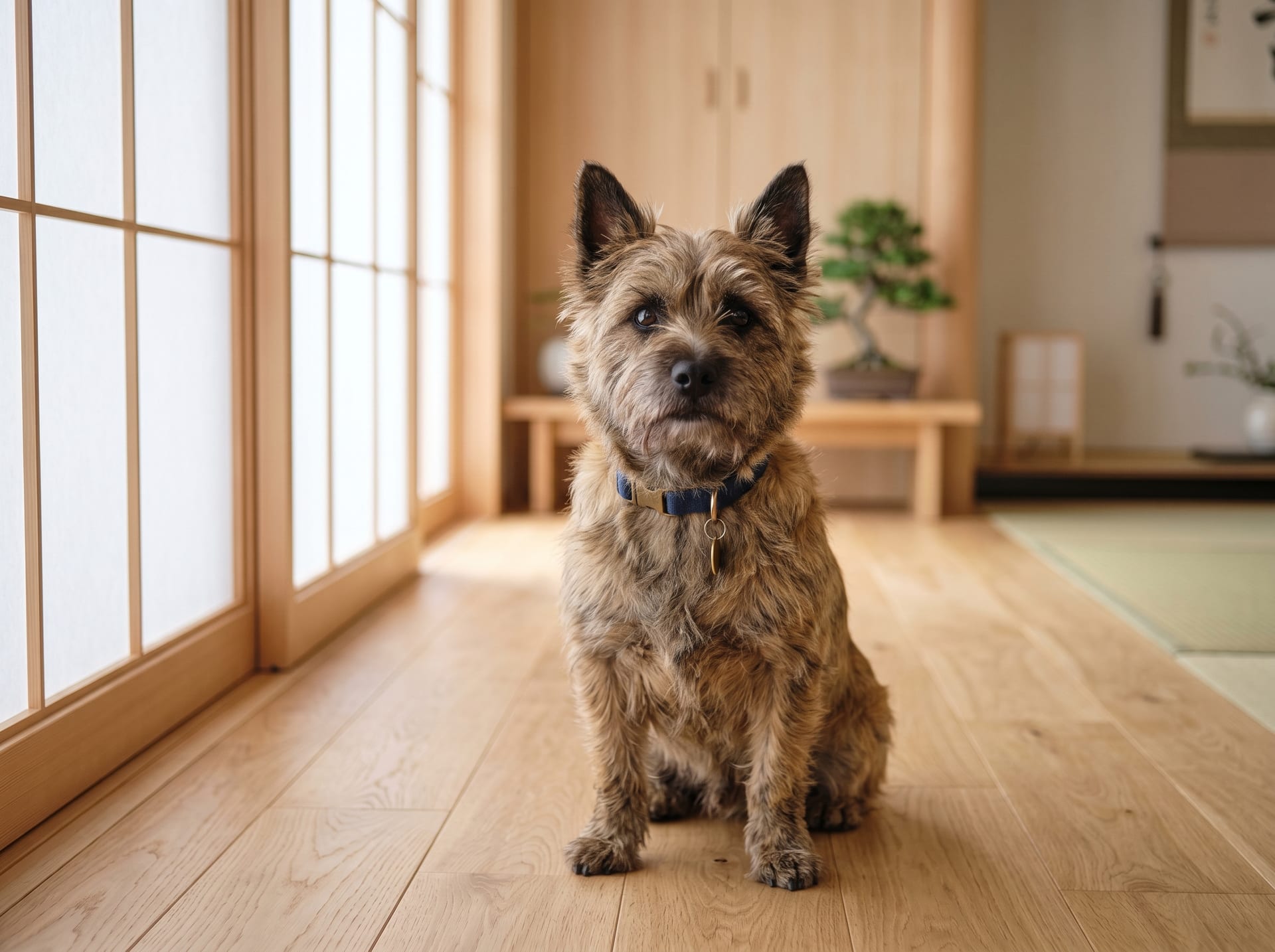
Cairn Terrier
Small terrier famous as Toto in The Wizard of Oz. Sturdy build with curious, active personality.
View Cairn Terrier encyclopedia →- Price Range
- ¥200,000〜¥548,000
0% commission on your first sales!Register by September 30, 2026 and your first 2 sales are commission-free!
Breeder Wanted!
List on BreederDirect and sell directly to customers nationwide!
4 Trust Pillars from BreederDirect
All puppy listings include full disclosure from verified Breeder. BreederDirect enforces legally-mandated standards for safe, transparent direct purchases.
- MicrochipRequired
- Vaccinated
- Health Exam
- Pedigree Certificate
※ Microchip implantation is mandatory for breeders under Japan's Animal Protection Law (effective June 2022).
Secure transaction guarantee
Dogs & cats onlyEvery BreederDirect transaction is covered by our transaction guarantee. If you cannot receive your pet, you will be fully refunded. A health guarantee also covers you after handover.
Learn about transaction safety →Browse all 129 breeds
Verified breeders wanted for Dogs
Breeders are signing up now ahead of launch. Subscribe to be notified when new listings go live.
Getting alerts is free with a member account. When new listings match your saved search, we'll notify you by email and in-app.
Browse other categories
Verified breeders (preview)



Cairn Terrier key facts
- Care level
- Beginner-friendly
- Lifespan
- 13-15 years
- Size
- 5-7kg
- Diet
- Dry food, watch for obesity
- Temperament
- Cheerful, brave, very curious
- Exercise
- About 30 minutes of daily walks
- Coat Care
- Wire coat, brush twice weekly
- Origin
- United Kingdom (Scotland)
- Notes
- Tendency to dig, prey drive toward small animals
About Cairn Terrier
The Cairn Terrier originated in the Scottish Highlands, where it was bred for centuries to bolt small animals such as rats and foxes from cairns — the rocky stone piles scattered across the landscape. The breed gained worldwide recognition when Toto appeared in "The Wizard of Oz," charming audiences with an endearing face and vivacious personality that remain hallmarks of the breed today. Physically, Cairns feature a broad head, short muzzle, and erect ears, with a weather-resistant double coat consisting of a harsh outer layer and a soft undercoat. Coat colors range from cream and wheaten to red and grey, and may shift in shade as the dog matures. In temperament, they are spirited, curious, and deeply devoted to their families, though they retain the terrier's characteristic independence and occasional stubbornness. With consistent training and adequate daily exercise, Cairn Terriers adapt well to both apartments and houses, making them a rewarding choice for first-time owners willing to engage with an intelligent, lively companion.
7 things to know before welcoming a Cairn Terrier
1Watch for Digging & Escaping
Cairn Terriers retain strong terrier instincts, which can lead to digging and attempting to escape through gaps. When letting them outside, check that fencing extends to ground level and secure potential escape routes. Indoors, they may also squeeze into small spaces.
2Notably Independent
While intelligent, Cairn Terriers can be stubborn and may not always follow commands readily. Consistent rules and patient training from puppyhood are important. Positive reinforcement with treats tends to work well with this breed.
3More Exercise Than Expected
Despite their small size, Cairn Terriers were bred to work and need around 30–60 minutes of daily walks and play. Insufficient exercise can lead to stress-related problem behaviors. Indoor play and neighborhood walks are enough to meet their needs without a large yard.
4Hand-Stripping for Coat Care
The Cairn Terrier's wiry coat is traditionally maintained through hand-stripping, a technique where dead hair is plucked rather than cut. Regular use of scissors or clippers can cause the coat to soften over time. Consulting a groomer familiar with terrier coats is recommended.
5Caution with Small Animals
Cairn Terriers were originally bred to hunt small animals such as mice and rabbits. Households with hamsters, birds, or other small pets should ensure secure separation and careful supervision. Compatibility with cats varies by individual dog.
6Prone to Weight Gain
Many Cairn Terriers have hearty appetites and can easily become overweight if overfed. A dry food-based diet with careful calorie control is recommended, and treats should be given in moderation. Regular weigh-ins help maintain a healthy weight.
7Prepare for Regular Barking
Cairn Terriers are alert dogs that tend to bark at strangers and unfamiliar sounds. Those living in apartments should be mindful of neighbors, and it is more effective to address barking habits early. Sufficient exercise and mental stimulation can also help reduce excessive barking.
Frequently asked questions about Cairn Terrier
- Q.Is the Cairn Terrier suitable for first-time dog owners?
- A.Cairn Terriers can be a good fit for first-time owners who are patient and consistent with training. Their independent streak requires firm guidance, but their compact size and moderate exercise needs make them manageable in various living situations, including apartments.
- Q.Do Cairn Terriers bark a lot?
- A.Cairns can be alert and vocal, especially in response to noises or visitors. However, adequate exercise and mental stimulation significantly reduce excessive barking. Teaching a "quiet" command from puppyhood is an effective strategy.
- Q.Can Cairn Terriers get along with children and other dogs?
- A.With proper socialization, Cairns generally do well with children and other dogs. Adult supervision during play with young children is advisable, as rough handling can cause stress. Same-sex dog pairings may sometimes lead to rivalry, so early introductions are helpful.
- Q.What is the average lifespan of a Cairn Terrier?
- A.Cairn Terriers typically live 13–15 years, placing them among the longer-lived small breeds. Proper nutrition, regular exercise, and routine veterinary care are key factors in supporting a long and healthy life.
- Q.How often does a Cairn Terrier need grooming?
- A.Brushing 2–3 times per week helps prevent tangles and matting. Hand-stripping once or twice a year is ideal for maintaining proper coat texture. Clipping can alter the coat's natural coarseness, so stripping is recommended for owners who want to preserve the breed's characteristic look.
Useful tools for Cairn Terrier care
Learn more about Cairn Terrier in the encyclopedia
View Cairn Terrier encyclopedia entry →
Care difficulty, lifespan, size and diet — all basics covered.
More in this category
Can't find the one you're looking for?
Post your wishes for free and breeders with matching animals will contact you with introductions.