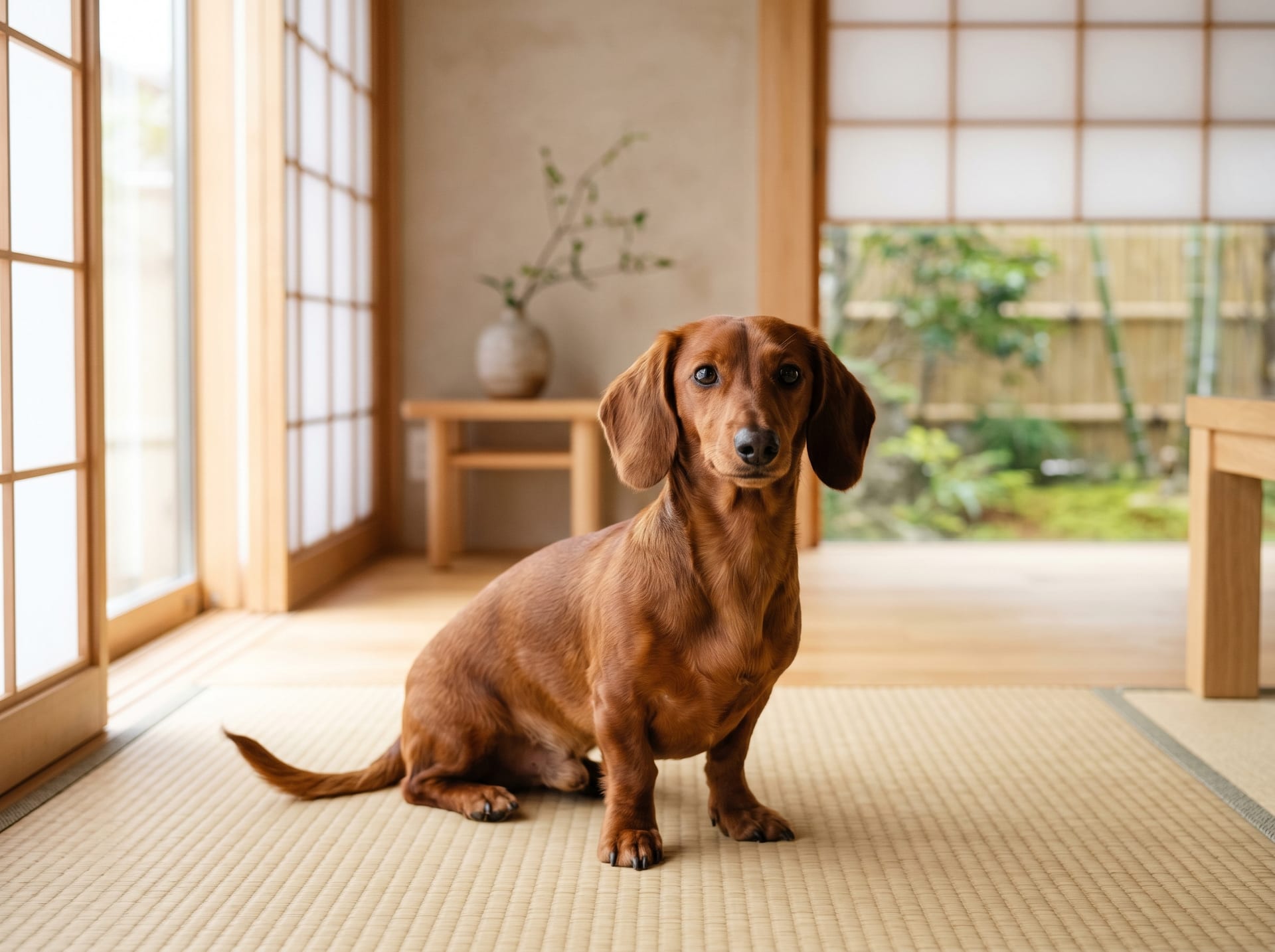
Standard Dachshund
The original and largest Dachshund variety. Originally bred for badger hunting, brave and active.
View Standard Dachshund encyclopedia →- Price Range
- ¥200,000〜¥548,000
0% commission on your first sales!Register by September 30, 2026 and your first 2 sales are commission-free!
Breeder Wanted!
List on BreederDirect and sell directly to customers nationwide!
4 Trust Pillars from BreederDirect
All puppy listings include full disclosure from verified Breeder. BreederDirect enforces legally-mandated standards for safe, transparent direct purchases.
- MicrochipRequired
- Vaccinated
- Health Exam
- Pedigree Certificate
※ Microchip implantation is mandatory for breeders under Japan's Animal Protection Law (effective June 2022).
Secure transaction guarantee
Dogs & cats onlyEvery BreederDirect transaction is covered by our transaction guarantee. If you cannot receive your pet, you will be fully refunded. A health guarantee also covers you after handover.
Learn about transaction safety →Browse all 129 breeds
Verified breeders wanted for Dogs
Breeders are signing up now ahead of launch. Subscribe to be notified when new listings go live.
Getting alerts is free with a member account. When new listings match your saved search, we'll notify you by email and in-app.
Browse other categories
Verified breeders (preview)
Standard Dachshund key facts
- Care level
- Beginner-friendly
- Lifespan
- 12-16 years
- Size
- 7-15kg
- Diet
- Dry food, strict weight management
- Temperament
- Curious, active, and brave
- Exercise
- 30-40 minutes of daily walks
- Coat Care
- Varies by coat type (smooth/long/wire)
- Origin
- Germany
- Notes
- Watch for IVDD, weight management crucial
About Standard Dachshund
The Standard Dachshund was selectively bred in Germany around the 16th century to hunt badgers and flush quarry from underground burrows. "Dachs" means badger and "Hund" means dog in German — names that reflect the breed's purpose perfectly. Their famously elongated body and short, muscular legs were engineered to work underground, and the Standard is the largest and most powerfully built of the three Dachshund sizes. In character, Standard Dachshunds are curious, courageous, and deeply devoted to their families, though they also carry the independent spirit of a working hunter. They are expressive dogs that communicate with body language and voice, making life with them feel like a genuine two-way relationship. The breed's long spine brings an elevated risk of intervertebral disc disease, but with careful weight management, appropriate exercise, and minor home modifications such as ramps, many Standard Dachshunds live healthy, active lives well into their teens.
7 things to know before welcoming a Standard Dachshund
1Long Back, Disc Risk
The Standard Dachshund's long spine and short legs make it prone to intervertebral disc disease (IVDD). Minimizing jumps from furniture and providing ramps or steps can significantly reduce spinal stress. Regular veterinary check-ups are highly recommended to catch early signs of disc problems.
2Weight Control Is Key
Excess weight puts additional strain on the Dachshund's already vulnerable spine. Feed a measured portion of high-quality dry kibble and limit treats to avoid obesity. Maintaining the ideal weight range of 7–15 kg is one of the most effective ways to extend a healthy lifespan.
3Stubbornness and Training
Bred to work independently, Standard Dachshunds can be stubborn and selective about following commands. Positive reinforcement with short daily training sessions works far better than scolding. Consistent rules and patience are essential to building reliable obedience.
4Managing Excessive Barking
Standard Dachshunds are alert and vocal, often barking at strangers or unfamiliar sounds. Early socialization and a reliable "quiet" command are important, especially in apartment settings. Adequate exercise and mental enrichment can also help reduce unnecessary barking.
5Exercise Needs and Play
While energetic, Standard Dachshunds should avoid high-impact activities like jumping that stress the spine. Two daily walks of 20–30 minutes on flat terrain, combined with indoor puzzle toys, provide good mental and physical balance. Insufficient exercise can lead to stress-related problem behaviors.
6Coat Types and Grooming
Standard Dachshunds come in three coat varieties—smooth, longhaired, and wirehaired—each with different grooming needs. Smooth coats require weekly brushing, longhaired coats need daily attention, and wirehaired coats require regular hand-stripping or trimming. Confirm the coat type before adoption and budget accordingly for grooming.
7Estimated Monthly Costs
Expect to spend roughly 3,000–5,000 yen per month on quality dry food. Annual costs also include vaccinations, heartworm prevention, and wellness exams. Because IVDD surgery can be expensive, many owners choose to enroll in pet insurance from an early age to manage potential veterinary bills.
Frequently asked questions about Standard Dachshund
- Q.How can I prevent intervertebral disc disease (IVDD)?
- A.The most effective prevention is maintaining a healthy body weight. Provide ramps or steps for furniture and vehicles to avoid repeated jumping. If you notice changes in gait or weakness in the hindquarters, consult a veterinarian promptly — early intervention significantly improves outcomes.
- Q.What is the difference between Miniature and Standard Dachshunds?
- A.The primary difference is size: Standards weigh 7–15 kg while Miniatures typically weigh under 4 kg. Temperament and coat variety options are similar across both sizes, though Standards tend to be more energetic and physically robust. Choose based on your living space, lifestyle, and activity level.
- Q.Can a Standard Dachshund live in an apartment?
- A.Apartment living is possible with proper preparation. Their tendency to bark means noise management and neighbor consideration are important. Daily walks are essential to meet their exercise needs, and minimizing indoor height differences — such as steep staircases — helps protect their spines.
- Q.What coat colors and types are available?
- A.There are three coat types — smooth, long-haired, and wire-haired — and a wide range of colors including red, black and tan, chocolate and tan, and dapple (merle). Dapple-to-dapple breeding can increase the risk of hereditary health issues such as vision and hearing problems, so always choose a responsible breeder.
- Q.Do Standard Dachshunds get along with children and other pets?
- A.Standard Dachshunds are deeply loyal to their families but may react poorly to rough handling by young children, so teaching kids how to interact respectfully is important. With early socialization they can coexist well with other dogs and cats, though their hunting instincts may make them less reliable around small animals such as rabbits or hamsters.
Useful tools for Standard Dachshund care
Learn more about Standard Dachshund in the encyclopedia
View Standard Dachshund encyclopedia entry →
Care difficulty, lifespan, size and diet — all basics covered.
More in this category
Can't find the one you're looking for?
Post your wishes for free and breeders with matching animals will contact you with introductions.