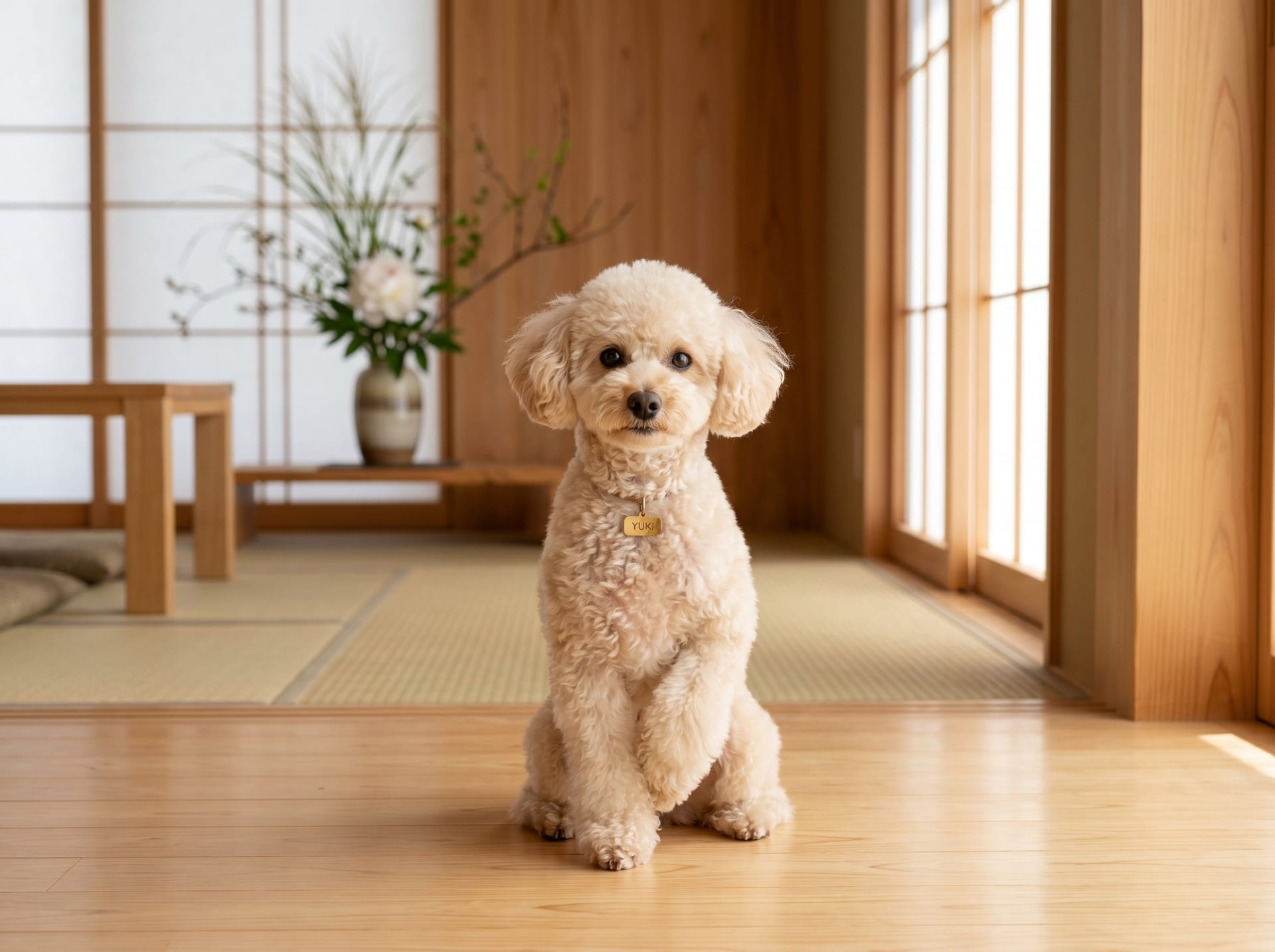
Miniature Poodle
Slightly larger than Toy Poodle. Sturdy build combining trainability with charm.
View Miniature Poodle encyclopedia →- Price Range
- ¥200,000〜¥548,000
0% commission on your first sales!Register by September 30, 2026 and your first 2 sales are commission-free!
Breeder Wanted!
List on BreederDirect and sell directly to customers nationwide!
4 Trust Pillars from BreederDirect
All puppy listings include full disclosure from verified Breeder. BreederDirect enforces legally-mandated standards for safe, transparent direct purchases.
- MicrochipRequired
- Vaccinated
- Health Exam
- Pedigree Certificate
※ Microchip implantation is mandatory for breeders under Japan's Animal Protection Law (effective June 2022).
Secure transaction guarantee
Dogs & cats onlyEvery BreederDirect transaction is covered by our transaction guarantee. If you cannot receive your pet, you will be fully refunded. A health guarantee also covers you after handover.
Learn about transaction safety →Browse all 129 breeds
Verified breeders wanted for Dogs
Breeders are signing up now ahead of launch. Subscribe to be notified when new listings go live.
Getting alerts is free with a member account. When new listings match your saved search, we'll notify you by email and in-app.
Browse other categories
Verified breeders (preview)

Miniature Poodle key facts
- Care level
- Beginner-friendly
- Lifespan
- 13-16 years
- Size
- 5-8kg
- Diet
- Dry food, balanced diet
- Temperament
- Smart, obedient, sociable and family-oriented
- Exercise
- About 30 minutes of daily walks
- Coat Care
- Monthly grooming, daily brushing
- Origin
- France
- Notes
- Watch for patellar luxation and PRA
About Miniature Poodle
The Miniature Poodle traces its origins to the working retrievers of Germany and France, selectively bred to a more manageable size while retaining the intelligence and athleticism of the original breed. Sitting between the Standard and Toy in the three recognized size variants, it strikes a balance of compact build and physical resilience. Its well-muscled, proportionate frame gives it an agile and elegant movement. The low-shedding curly or corded coat comes in a wide palette of colors including black, white, apricot, and silver. In temperament, Miniature Poodles are cheerful, curious, and deeply devoted to their families, while remaining fairly approachable with strangers. Their exceptional trainability makes them a rewarding companion for first-time owners and experienced dog sport enthusiasts alike. Provided with consistent exercise and mental enrichment, they are a long-lived, healthy breed capable of thriving in a variety of home environments.
7 things to know before welcoming a Miniature Poodle
1Size and Weight Range
Adult Miniature Poodles typically stand 28–38 cm tall and weigh between 3 and 7 kg. They are often confused with Toy Poodles, but have a noticeably sturdier frame. Confirming the expected adult size before bringing one home helps avoid surprises.
2Daily Exercise Needs
With more stamina than the Toy Poodle, Miniature Poodles benefit from around 30–60 minutes of daily exercise. Insufficient activity can lead to boredom-related behaviors such as excessive barking or destructive chewing. A mix of indoor play and outdoor walks works well.
3Grooming Costs
The Poodle's continuously growing curly coat requires regular professional grooming, typically every 6–8 weeks. Salon costs generally range from 6,000 to 10,000 yen per visit. Regular brushing at home helps prevent matting between appointments.
4Intelligence and Mental Stimulation
Miniature Poodles are quick learners, but their intelligence also means they can become bored without enough mental engagement. Puzzle toys, obedience training, and trick work help keep their minds active. Mental stimulation is just as important as physical exercise for this breed.
5Common Health Concerns
Miniature Poodles can be prone to conditions such as hip dysplasia, progressive retinal atrophy (PRA), and patellar luxation. When purchasing from a breeder, it is advisable to ask about genetic health testing of the parent dogs. Routine veterinary check-ups support early detection.
6Sociability and Alone Time
Miniature Poodles are generally sociable and get along well with people and other dogs. However, their strong bond with owners means some individuals can struggle with extended time alone. Gradual alone-time training from puppyhood helps prevent separation anxiety.
7Diet and Weight Management
Because of their larger frame, Miniature Poodles can be prone to weight gain if food portions are not carefully managed. Follow feeding guidelines based on body weight, age, and activity level, keeping treats to within roughly 10% of daily caloric intake. Regular weigh-ins help maintain a healthy body condition.
Frequently asked questions about Miniature Poodle
- Q.What is the difference between a Miniature and a Toy Poodle?
- A.The primary difference is size: Miniature Poodles stand 28–38 cm and weigh 4–7 kg, while Toy Poodles are under 28 cm and typically under 3 kg. The slightly larger build of the Miniature is often associated with a bit more sturdiness and exercise endurance. Temperament and coat characteristics are largely the same across both sizes.
- Q.Is a Miniature Poodle suitable for someone living alone?
- A.Solo owners can certainly raise a Miniature Poodle, but because the breed is highly social and thrives on human interaction, long daily absences can cause stress. As long as you can commit to daily walks and play sessions, a strong bond is very achievable. For extended absences, doggy daycare or a pet sitter can be a helpful option.
- Q.What are the estimated monthly ownership costs?
- A.Including food, grooming, vaccinations, and everyday supplies, monthly costs typically average ¥20,000–¥35,000. Since grooming is a periodic lump expense, setting aside a monthly amount helps with budgeting. Taking out pet insurance is also worth considering to manage unexpected veterinary costs.
- Q.Does low shedding mean it is safe for allergy sufferers?
- A.Poodles shed minimally and tend to distribute less airborne dander than heavier-shedding breeds, which many allergy sufferers find beneficial. That said, no dog breed is completely allergen-free, as saliva and skin secretions can also trigger reactions. Consulting an allergist and spending time with the breed before committing is strongly recommended.
- Q.What is the typical lifespan of a Miniature Poodle?
- A.The average lifespan is approximately 12–15 years, making the Miniature Poodle one of the longer-lived small to medium breeds. Proper nutrition, regular exercise, and annual or biannual veterinary check-ups are key factors in supporting a long, healthy life. Choosing a reputable breeder who screens for genetic conditions is also an important step.
Useful tools for Miniature Poodle care
Learn more about Miniature Poodle in the encyclopedia
View Miniature Poodle encyclopedia entry →
Care difficulty, lifespan, size and diet — all basics covered.
More in this category
Can't find the one you're looking for?
Post your wishes for free and breeders with matching animals will contact you with introductions.