
Havanese
National dog of Cuba. Silky long coat and bright, sociable personality make it an excellent companion.
View Havanese encyclopedia →- Price Range
- ¥200,000〜¥548,000
0% commission on your first sales!Register by September 30, 2026 and your first 2 sales are commission-free!
Breeder Wanted!
List on BreederDirect and sell directly to customers nationwide!
4 Trust Pillars from BreederDirect
All puppy listings include full disclosure from verified Breeder. BreederDirect enforces legally-mandated standards for safe, transparent direct purchases.
- MicrochipRequired
- Vaccinated
- Health Exam
- Pedigree Certificate
※ Microchip implantation is mandatory for breeders under Japan's Animal Protection Law (effective June 2022).
Secure transaction guarantee
Dogs & cats onlyEvery BreederDirect transaction is covered by our transaction guarantee. If you cannot receive your pet, you will be fully refunded. A health guarantee also covers you after handover.
Learn about transaction safety →Browse all 129 breeds
Verified breeders wanted for Dogs
Breeders are signing up now ahead of launch. Subscribe to be notified when new listings go live.
Getting alerts is free with a member account. When new listings match your saved search, we'll notify you by email and in-app.
Browse other categories
Verified breeders (preview)
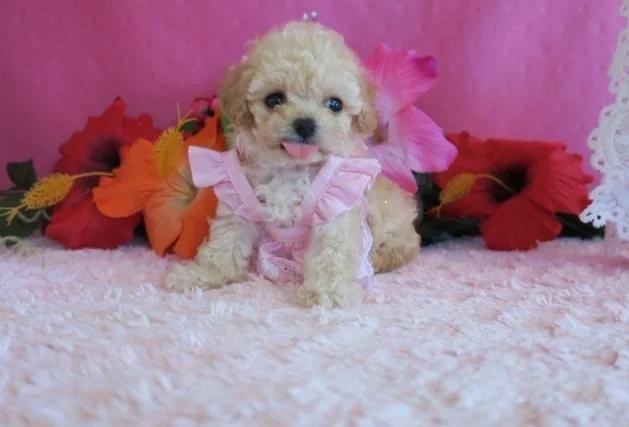
Havanese key facts
- Care level
- Beginner-friendly
- Lifespan
- 14-16 years
- Size
- 3.5-6.5kg
- Diet
- Dry food, balanced diet
- Temperament
- Bright, sociable, playful and loving
- Exercise
- 20-30 minutes of daily walks
- Coat Care
- Silky long coat, daily brushing recommended
- Origin
- Cuba
- Notes
- Prone to separation anxiety, watch for patellar luxation
About Havanese
The Havanese traces its roots to small companion dogs brought to Cuba by Spanish settlers, where it flourished among the Cuban aristocracy during the 18th and 19th centuries. The breed nearly vanished after the Cuban Revolution, but was revived from dogs carried to the United States by Cuban exiles, and has since become a beloved breed across North America and Europe. Perhaps its most iconic feature is its long, silky coat, which can range from straight to wavy or curly. Though appearing delicate, the coat is actually double-layered and functions as natural insulation in warm climates. Despite their compact build, Havanese are sturdy and move with surprising agility. They are famously sociable and affectionate, often earning the nickname "Velcro dog" for their habit of staying close to their people. Intelligent and eager to learn, they are well-suited for first-time dog owners, and with proper care and attention, these warm-hearted companions can share your life for 14 to 16 years.
7 things to know before welcoming a Havanese
1Regular Grooming Is Essential
The Havanese's long, silky coat requires daily brushing to prevent matting. Plan for professional grooming every 4–8 weeks to keep the coat manageable. If you choose the corded coat style, specialized maintenance techniques are needed.
2Prone to Separation Anxiety
Havanese dogs bond closely with their owners and can struggle with being left alone for long periods. Gradually building alone-time tolerance from puppyhood helps prevent anxiety. If you work long hours, consider a dog sitter or doggy daycare to supplement.
3Moderate Exercise Needs
Havanese are energetic but don't require intense exercise — two short walks of 20–30 minutes daily plus indoor play is typically enough. Their compact size suits apartment living, but they're intelligent dogs that benefit from varied mental stimulation.
4Eye Care Needs Attention
Havanese are prone to tear staining, which can discolor the facial coat if discharge is left uncleaned. Make it a daily habit to gently wipe around the eyes with a clean, damp cloth. Persistent redness or excessive discharge warrants a vet consultation.
5Relatively Easy to Train
Havanese are intelligent and eager to please, responding well to positive reinforcement and treat-based training. They are sensitive to harsh corrections, so a calm, consistent approach yields the best results.
6Understanding the Costs
Purchase prices from reputable breeders typically range from ¥200,000–¥500,000. Monthly ongoing costs including food, grooming, vaccinations, and health check-ups average around ¥10,000–¥20,000. Budget for quality grooming tools as an upfront investment as well.
7Start Socialization Early
Although naturally friendly, Havanese benefit greatly from early exposure to diverse people, sounds, and environments. After completing vaccinations, puppy classes and dog park visits support well-rounded development. Early socialization also helps reduce excessive barking toward strangers.
Frequently asked questions about Havanese
- Q.Do Havanese shed a lot?
- A.Havanese are considered low-shedding dogs and are often recommended for people with mild pet allergies. However, their long coat tends to tangle, so daily brushing is still necessary to keep it in good condition.
- Q.Do Havanese get along with children and other pets?
- A.Thanks to their sociable nature, Havanese generally get along well with children and other dogs or cats. However, as a small breed, adult supervision is important during play with young children to prevent accidental injury.
- Q.Can Havanese be kept by someone living alone?
- A.Havanese can be kept by people living alone, but they are prone to separation anxiety if left by themselves for long periods. If you work long hours away from home, consider doggy daycare or arranging support from family or friends to ensure the dog has company.
- Q.How much does grooming cost for a Havanese?
- A.Professional grooming sessions typically cost between 7,000 and 15,000 yen per visit, with most owners booking appointments every 2–3 months. Prices vary depending on the coat style and region. Daily brushing at home helps maintain coat health between salon visits.
- Q.Are Havanese prone to barking?
- A.Havanese may bark to alert their owners, but they are not considered excessive barkers as a breed. Teaching a "quiet" command from puppyhood is effective in managing barking tendencies. Ensuring they receive adequate exercise and mental stimulation also helps reduce unnecessary barking.
Useful tools for Havanese care
Learn more about Havanese in the encyclopedia
View Havanese encyclopedia entry →
Care difficulty, lifespan, size and diet — all basics covered.
More in this category
Can't find the one you're looking for?
Post your wishes for free and breeders with matching animals will contact you with introductions.