Complete Guide to Raising Samoyeds | Coat Care, Training, Heat Prevention, Exercise | ブリちょく
Dogs| ✍️ BreederDirect Editorial
Complete Guide to Raising Samoyeds | Coat Care, Training, Heat Prevention, Exercise
A thorough guide to raising Samoyeds. We provide detailed information on coat care for this large breed with stunning pure white fluffy fur, appropriate exercise levels, heat prevention strategies, training methods, and common health issues.
Key Takeaways
A thorough guide to raising Samoyeds. We provide detailed information on coat care for this large breed with stunning pure white fluffy fur, appropriate exercise levels, heat prevention strategies, training methods, and common health issues.
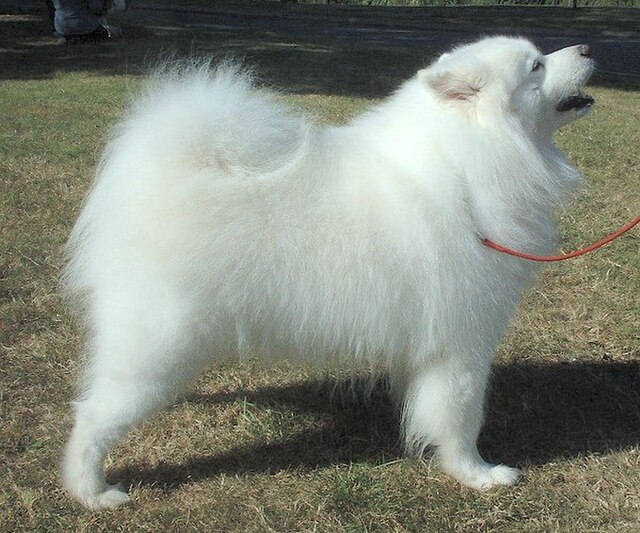
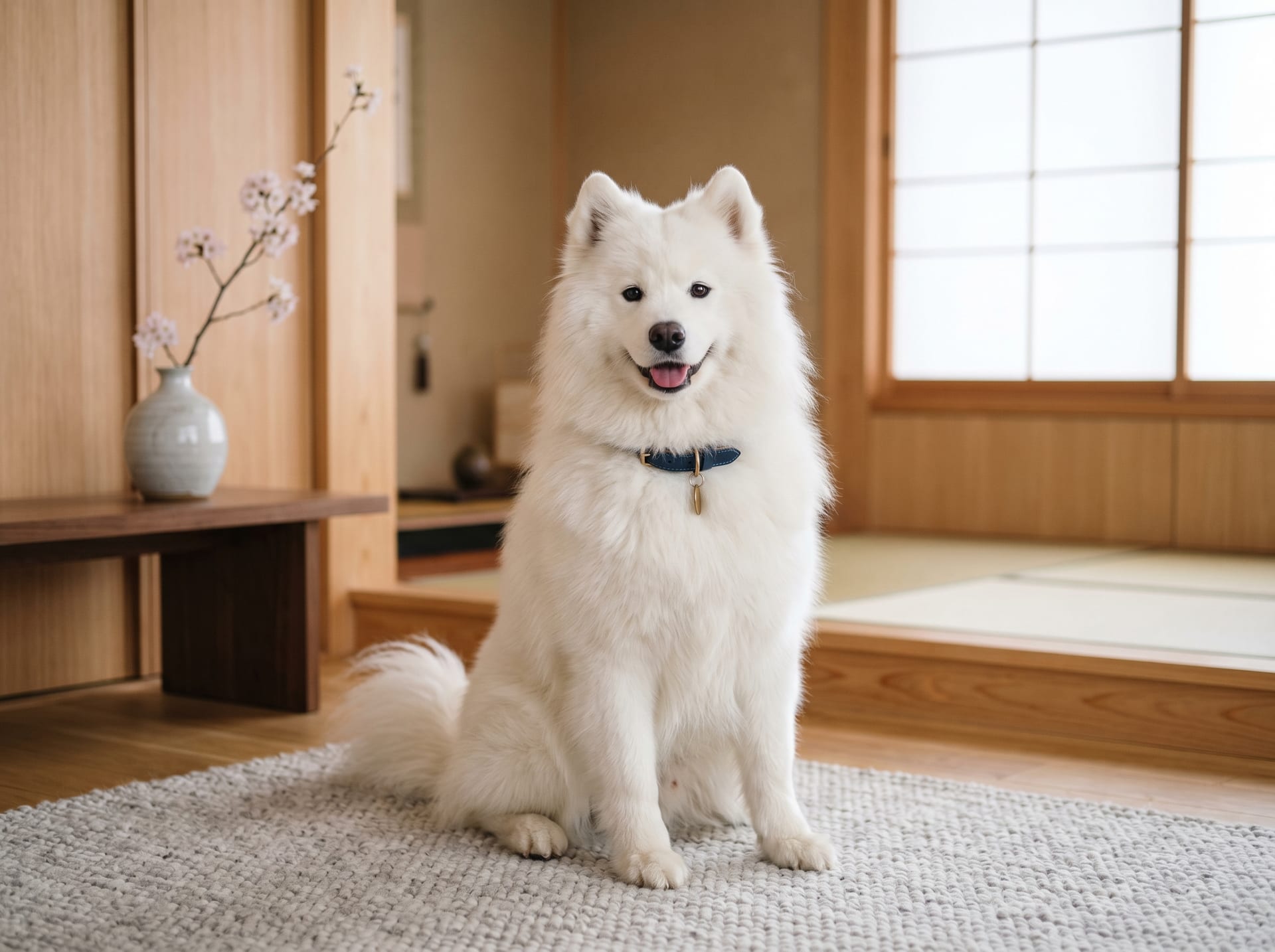
Samoyeds are affectionately known as "Smileys" and are a large Spitz-type dog breed originating from Siberia. They are beloved worldwide for their distinctive pure white fluffy coat and characteristic smile-like expression with permanently raised mouth corners. This article comprehensively explains the characteristics of Samoyeds and their daily care requirements.
✍️
BreederDirect Editorial
The BreederDirect editorial team specializes in care information for animals, covering veterinary care and breeding to deliver beginner-friendly guides.
Find Dogs on BreederDirect
Buy directly from verified breeders
Browse Related Listings
Find Dogs listings related to this article on BreederDirect. Buy directly from verified breeders.
Origin: Russia, Siberia
Height at Shoulder: Males 53-60cm, Females 48-53cm
Weight: Males 23-30kg, Females 17-25kg
Coat Colors: White, Cream, Biscuit (light brown)
Lifespan: 12-14 years
Group: Primitive dog breeds (FCI Group 5)
Originally living alongside the Samoyede people of Siberia, they served as herding dogs for reindeer, sled dogs, and hunting dogs. Due to their history of living closely with humans, they are an exceptionally friendly and family-oriented breed.
Temperament and Characteristics for Keeping
High Sociability: Most Samoyeds are friendly with strangers and are unsuitable as guard dogs. They typically get along well with children and other dogs.
High Intelligence: They are clever and learn training quickly, but their strong independence means they can be stubborn.
Excessive Barking: Originally, this breed used barking as a communication method. Training to control unnecessary barking from puppyhood is essential.
High Activity Level: As a large Spitz-type breed, they have a strong desire for exercise. Without sufficient daily activity, behavioral problems are likely to develop.
Separation Anxiety Concerns: They love people and strongly desire to spend time with family. Prolonged absences can cause stress, making socialization and independence training important.
Coat Care (Grooming)
The beautiful white double coat that is the Samoyed's trademark requires careful grooming.
Brushing
Frequency: 2-3 times per week as a baseline. During shedding seasons (spring and fall), daily brushing is necessary
Comb and Brush: Use a slicker brush and comb together. First, loosen the entire coat with a comb, then carefully remove dead hair with a slicker brush
Undercoat Management: Since the undercoat is densely packed, during shedding season use an undercoat rake or stripping knife to carefully remove the undercoat
Matting Prevention: Pay special attention to areas behind the ears, armpits, and inner thighs where mats form easily
Shampooing
Frequency is typically 1-2 times per month
Use a specialized dog shampoo (white coat conditioning shampoo is effective for maintaining whiteness)
Since they are a large breed, full shampooing using a shower or tub is standard
Thorough rinsing and drying the coat thoroughly is important. Partially dried coats can lead to skin problems
During shedding season, remove large amounts of dead hair through brushing before and after shampooing
Maintaining Coat Color
To keep the white coat beautiful, managing tear stains (brown discoloration around the eyes) and mouth cleanliness is important.
Wipe around the eyes daily with a damp cotton pad
Wipe around the mouth with water after meals
Regular use of whitening shampoo will brighten the coat
Exercise Management
Samoyeds require moderate to high levels of exercise.
Daily Exercise Guidelines:
- Adult dogs: approximately 1-2 hours of exercise (60-90 minutes of walks + free play)
- Puppies: Avoid excessive exercise until growth plates close (approximately 12-18 months), conducting multiple short walks instead
Recommended Activities:
- Long-distance walking and hiking
- Chase and ball games (dog parks)
- Nose work (scent-based games)
- Pulling competitions (wagon or scooter pulling as an alternative to sled pulling)
Insufficient exercise often leads to destructive behavior, excessive barking, and behavioral problems, so regular exercise is essential.
Heat Management (Summer Care)
Japan's hot and humid summers are the biggest challenge for Samoyeds.
Basic Countermeasures:
- Avoid daytime walks in summer, exercising during cool morning and evening hours instead
- Avoid prolonged outdoor activities
- Keep indoor temperature constantly at 22-25°C with air conditioning
- Provide fresh water at all times
- Use cooling mats and ice packs
- Avoid shaving the coat (as the fur also acts as insulation; shaving can actually impair temperature regulation)
Heat Stroke Symptoms: If heavy panting, excessive drooling, lethargy, vomiting, or convulsions occur, immediately cool the body and take the dog to a veterinarian.
Feeding Management
Feeding a Samoyed should be based on high-protein, moderate-fat dog food appropriate for the dog's age and weight.
Use large-breed specific food to support joint and bone health
Adult dogs should be fed twice daily (to reduce overeating and bloat risks)
Vigorous exercise after meals carries a risk of gastric dilatation-volvulus (GDV), so allow 1-2 hours of rest
Obesity is a major risk factor for joint disease. Regularly check body condition, maintaining ideal weight by assessing waist definition and rib prominence
Training Tips
Start from Puppyhood: Samoyeds can begin basic command training from 8-12 weeks old. Teach the four essential commands—"sit," "stay," "come," and "crate"—early.
Positive Reinforcement: Praising, treating, and toy rewards are the most effective methods for reinforcing good behavior.
Leadership: Since this breed has strong independence, demonstrating consistent rules and proper leadership is important.
Barking Control: While eliminating barking entirely is difficult, teaching a "quiet" command and ignoring barking (not responding to it) can help manage it.
Socialization: Early puppy socialization (exposure to various people, dogs, and environments) directly prevents behavioral problems in adulthood. We recommend attending dog schools or puppy classes.
Common Health Issues
Hip Dysplasia (HD): A genetic condition common in large breeds. Improper hip joint development causes gait abnormalities and arthritis. When selecting a breeder, it's important to confirm HD screening certificates.
Progressive Retinal Atrophy (PRA): A hereditary eye disease causing gradual vision loss. Genetic testing is available, and pre-breeding screening is recommended.
Skin Conditions: Beneath their white coat, Samoyeds often have delicate skin prone to allergic dermatitis and pyoderma.
Hypothyroidism: An endocrine disorder common in middle-aged and senior dogs. Symptoms include weight gain, decreased activity, and hair loss.
Gastric Dilatation-Volvulus (GDV): An emergency condition seen in large breeds. Excessive exercise after meals, rapid eating, and excessive water consumption are contributing factors.
Regular checkups and vaccination maintenance, along with home care such as dental hygiene and nail trimming, contribute to longevity.
Summary
Samoyeds are often called "smile dogs" for their characteristic smile-like expression and beautiful white coat, making them a joyful breed to own. However, they present challenges including heavy coat maintenance requirements, high exercise needs, and sensitivity to heat, requiring proper preparation and consistent care. Through Bri-Choku, you can acquire Samoyed puppies directly from domestic breeders who prioritize health management, and you can also verify genetic screening information such as HD and PRA.