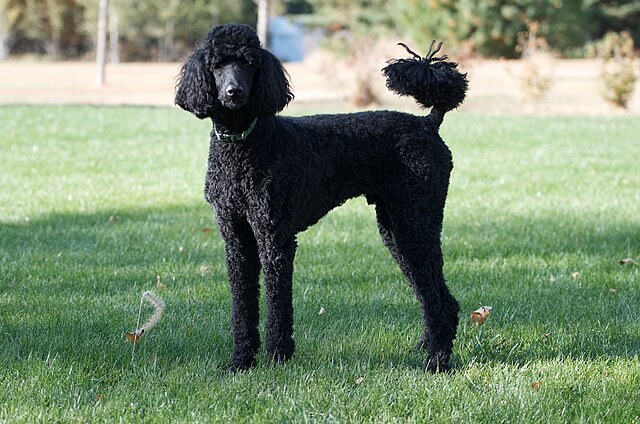
Why Toy Poodle Health Care Matters
The Toy Poodle has held the No. 1 position among small dog breeds in Japan for many years. They are known for high intelligence, active temperament, and a curly coat that sheds minimally (however, research measuring Can f 1 allergen levels shows Poodles have higher values than control dog breeds, so the claim of being a "hypoallergenic breed" lacks scientific support). On the other hand, they are susceptible to several breed-specific health issues. Early detection and prevention of these problems are key to maintaining long-term health.
Toy Poodle Average Lifespan: 12–15 years (16+ years with proper care)
Managing Tear Staining (Epiphora)
What Is Tear Staining?
Tear staining occurs when tears flow excessively around the inner corner of the eye, leaving reddish-brown "tear marks" on the coat. It is especially noticeable in white, apricot, and cream-colored Toy Poodles.
Causes
- Blocked or narrowed tear ducts (nasolacrimal ducts)
- Allergies (food or environmental)
- Trichiasis (ingrown eyelashes)
- Shallow eye sockets (common in large-eyed dog breeds)
Management Strategies
- Daily eye cleaning: Gently wipe with a damp cotton pad or veterinary-prescribed eye cleanser
- Diet management: Switching to grain-free or allergen-elimination diets can improve symptoms in some cases
- Regular grooming: Trim hair around the eyes short to make tears less likely to stain
- Veterinary consultation: Consult a veterinarian if trichiasis or nasolacrimal duct obstruction is suspected
Tear-stain products: Over-the-counter tear-stain care products (eye drops and wet-type cleansers) can be used as supplements, but they do not address the underlying cause.
Hip and Knee Joint Issues
Patellar Luxation (Patella)
Patellar luxation occurs when the kneecap (patella) shifts out of its normal position. It is a congenital or acquired condition commonly seen in small dog breeds, including Toy Poodles.
Grade Classification
| Grade | Condition |
|---|
| Grade 1 | Luxation possible with manual pressure but returns naturally |
| Grade 2 | Luxation during walking; dog may hold leg up |
| Grade 3 | Constant luxation; joint deformation begins |
| Grade 4 | Requires surgery; severe |
Early Warning Signs
- Suddenly lifting a hind leg during walking (skipping gait)
- Dragging hind legs
- Favoring hind legs after exercise
Management Strategies
- Mild (Grade 1–2): Weight management, muscle strengthening, non-slip mats. Supplements (glucosamine and chondroitin)
- Severe (Grade 3–4): Surgical intervention (bone cutting or groove cutting procedures)
Everyday Prevention
- Restrict jumping from high places like sofas and beds (install ramps or steps)
- Prevent overweight (weight management is the most important prevention strategy)
Hip Dysplasia (HD)
Hip dysplasia is a structural abnormality of the hip joint. While commonly associated with large breeds, it can also occur in small dogs.
Signs: Rear legs moving as if shuffling, swaying gait, difficulty getting up
Management: Weight management, supplements, hydrotherapy (water walking), surgery for severe cases
Periodontal Disease and Oral Care
Small dogs have limited oral space and crowded teeth, making them at high risk for periodontal disease. Periodontal disease is linked not only to oral health but also to organ diseases such as heart and kidney problems.
Regular tooth brushing is essential
| Frequency | Effect |
|---|
| Daily | Maximum prevention of tartar and periodontal disease |
| 3–4 times per week | Practical minimum standard |
| Once or twice per week or less | Tartar buildup is likely |
Getting accustomed to tooth brushing
- Apply dog toothpaste (chicken or vanilla-flavored) to your finger and let your dog lick it
- Touch the gums and tooth surfaces with your finger
- Progress to a finger-cot style toothbrush
- Finally transition to a regular dog toothbrush with a thin handle
Periodic scaling (tartar removal)
Tartar that cannot be removed by home brushing requires professional scaling under anesthesia at a veterinary clinic. A general guideline is 1–2 times per year, though this varies by individual.
Otitis Prevention
Poodles have dense hair inside their ears, making them prone to otitis (ear infection).
Ear cleaning frequency: Every 2–4 weeks (excessive cleaning can paradoxically cause inflammation)
Procedure
- If ear hair is dense, apply ear hair removal powder and gently pluck small amounts with tweezers (or have a veterinarian do this)
- Apply ear cleaner to the ear canal, gently massage the base
- Wipe the outer ear with cotton (do not insert cotton swabs deep into the ear)
Otitis warning signs: Frequent ear scratching, head tilting, strong odor, large amounts of brown or black ear wax
Diet Management and Ideal Weight
Maintaining Ideal Weight
The ideal weight for a Toy Poodle is 3–4 kg (varies by individual).
Risks of obesity
- Worsening of patellar luxation
- Diabetes and heart disease
- Increased joint stress
Body condition check: If you can feel the ribs lightly when pressing on the rib cage, the weight is ideal. If not, weight reduction is needed.
Selecting Appropriate Food
- Age-appropriate food: Switch to adult or senior formulas (age 7+) at the appropriate time
- Ingredient verification: Ideal foods have meat (chicken, fish, etc.) as the first ingredient
- Calorie management: Adult maintenance calories are approximately 65–80 kcal per kg of body weight per day
Regular Health Check Schedule
| Age | Frequency | Primary Checkup Items |
|---|
| Up to 6 months | During vaccinations | Growth monitoring, parasite screening |
| 1–6 years | Once per year | Blood work, weight, dental |
| 7 years and older | Twice per year | Blood and urine tests, X-rays, cardiac, thyroid |
Toy Poodles can easily live 15+ years with proper, consistent care. Daily oral care, weight maintenance, and regular check-ups are the most important investments in enjoying many healthy years together.