Toy Poodle Care Guide | Grooming, Diet, and Training Tips
A comprehensive guide to caring for Toy Poodles, Japan's most popular dog breed. Learn about grooming frequency including Teddy Bear cuts, diet tailored to coat type, and training methods that leverage their intelligent nature.
Key Takeaways
A comprehensive guide to caring for Toy Poodles, Japan's most popular dog breed. Learn about grooming frequency including Teddy Bear cuts, diet tailored to coat type, and training methods that leverage their intelligent nature.
Related Species

Toy Poodles have consistently ranked at the top of Japan's pet popularity rankings for many years. This popularity is not due to a single factor. They possess a combination of intelligence and affection, have a special coat type that sheds minimally and is less likely to trigger allergies, and excel at grooming with diverse cutting styles to choose from—elements that captivate dog owners in abundance. While relatively easy for first-time dog owners, they require proper knowledge and consistent care to thrive long-term. This guide provides essential information for a fulfilling life with your Toy Poodle, explained in an accessible way even for beginners.
Toy Poodle Basic Profile
First, let's understand the basic characteristics of Toy Poodles.
- Weight: 3-4 kg
- Height: Approximately 24-28 cm
- Lifespan: 12-15 years (relatively long-lived among small breeds)
- Temperament: Intelligent and curious, affectionate with strong family bonds
- Exercise Needs: Moderate (aim for 2 walks daily, 15-30 minutes each)
- Coat Type: Curly coat. Sheds minimally.
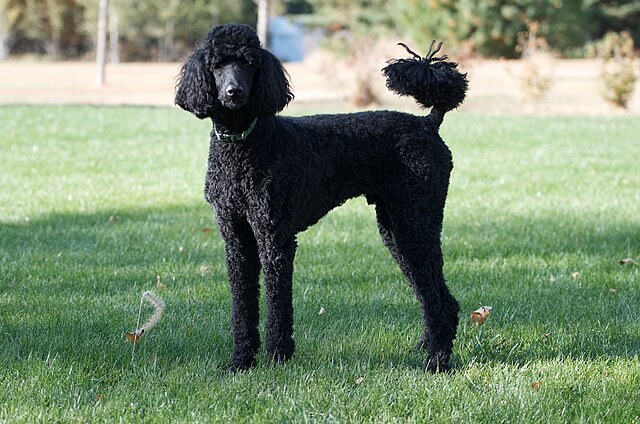
Many associate "Poodle" with French elegance, but the breed originally worked as a practical water retriever. Their intelligence ranks among the highest of all dog breeds, with exceptional ability to quickly learn commands and sense their owner's emotions. They bond easily with all family members, making them well-suited to households with children or elderly relatives.
Grooming (Cutting) Fundamentals
The most defining characteristic of Toy Poodles is their continuously growing curly coat. Since their fur doesn't naturally shed, regular professional grooming is essential for maintaining good health.
Grooming Frequency and Cost
- Recommended Frequency: Professional grooming every 2-3 months is the standard
- Estimated Cost: Approximately ¥5,000-10,000 (varies by location and service type)
Neglecting grooming leads to matting, which can cause skin problems. Additionally, overgrown hair around the eyes obstructs vision and causes stress, making regular care essential.
Popular Grooming Styles
| Style | Features |
|---|---|
| Teddy Bear Cut | Adorable classic style with a round, fluffy face |
| Lamb Cut | Short and clean all over; popular for summer and active dogs |
| Afro Cut | Bold style with voluminous head area |
Consulting with a groomer while showing photos helps ensure you get your preferred style.
Daily Home Care
In addition to professional grooming, brush your Toy Poodle daily at home. Using a slicker brush to gently comb along the hair direction prevents matting. Hair inside the ears requires regular removal to maintain airflow and prevent ear mites and ear infections. Request this during grooming appointments or develop a habit of checking at home.
Diet Management and Nutritional Considerations
Many Toy Poodles are picky eaters with inconsistent appetites. Proper diet management tailored to their growth stage is the foundation for building a healthy body.
Feeding by Life Stage
- Puppy Stage (up to 12 months): Feed 3-4 times daily in small portions to minimize digestive stress. Choose high-protein, high-calorie puppy formulas.
- Adult Stage (1-8 years): Feed twice daily as standard. Adjust portions to approximately 2-3% of body weight to prevent obesity.
- Senior Stage (8 years and older): Transition to easily digestible, low-calorie senior food. Formulas with joint support and antioxidants are recommended.
Foods to Avoid
The following foods can be toxic to dogs. Never feed them:
- Chocolate and cocoa
- Xylitol (found in gum and candy)
- Onions and chives
- Grapes and raisins
- Macadamia nuts
- Alcohol and caffeine
Dental Care as Part of Diet Management
While true for small breeds in general, Toy Poodles are particularly prone to tartar buildup. Brushing teeth 2-3 times weekly prevents periodontal disease and bad breath. Using dog-specific toothpaste and brushes, and accustoming puppies to mouth handling from a young age, makes this easier.
Training and Socialization
Toy Poodles have exceptionally high learning ability among dog breeds, making training relatively straightforward with the right approach. However, their intelligence means boredom can lead to behavioral problems, so providing mental stimulation is essential.
Teaching Basic Commands
Teach the four basic commands—sit, wait, down, and come—from the puppy stage. Positive reinforcement training (praise and reward-based) is particularly effective, while punishment or physical correction damages trust and should be avoided. Keep training sessions short (5-10 minutes) and practice daily for best results.
Addressing Separation Anxiety
Affectionate Toy Poodles with strong bonds to their owners often struggle with time alone. Progressive separation anxiety can lead to excessive barking, destructive behavior, and loss of appetite. Gradually building alone time from puppyhood and introducing solo play with toys like Kongs helps prevent this.
The Importance of Socialization Training
The period from 3 to 12 weeks of age is called the "socialization window," when puppies are most receptive to new experiences. Exposing them to other dogs, people, traffic sounds, and household noises during this time helps them grow into confident, well-adjusted adults. Active participation in dog parks and puppy classes is highly recommended.
Health Management and Diseases to Watch For
Regular health checks and early disease intervention are essential for a long life together. Knowing health conditions common to Toy Poodles helps you spot problems early.
Common Health Issues
- Patellar Luxation (Patella): A joint disorder common in small breeds. Consult a vet if you notice limping or favoring of hind legs. Severe cases may require surgery.
- Ear Infection (Otitis Externa): Poor ear ventilation from drooping ears and hair growth makes infection common. Watch for odor and scratching behavior.
- Cataracts and Progressive Retinal Atrophy (PRA): Eye diseases with genetic factors. Seek veterinary care if you notice cloudiness in the eyes.
- Periodontal Disease: As mentioned earlier, small breeds face high risk.
Prevention and Regular Check-ups
- Administer combination vaccines and rabies vaccine annually
- Administer heartworm prevention and flea/tick medication regularly
- Have annual or bi-annual health check-ups including blood work at a veterinary clinic
Consider pet insurance early. Patellar luxation surgery alone can cost ¥100,000-200,000, and insurance provides peace of mind for unexpected medical expenses.
BreederDirect's Safety and Trust System
When bringing home a Toy Poodle, obtaining a puppy directly from a trustworthy breeder is crucial for ensuring a healthy individual. BreederDirect is a breeder-direct marketplace platform that supports these meaningful connections.
Benefits of Using BreederDirect
- Direct Communication with Breeders: Discuss specific preferences in detail—color, size, lineage, temperament, and more.
- Transparency of Sellers: Breeders' profiles and track records are publicly available for confidence.
- Fair Pricing: Without intermediaries, you benefit from reduced distribution costs.
- Performance-Based Model: Listings are free with fees only upon sale, ensuring serious, quality listings from breeders.
Because your Toy Poodle will become a cherished family member, choose a trustworthy breeder where you can verify upbringing environment and health status. Find your perfect match on BreederDirect today.