Complete Guide to Raising Akita Dogs | Understanding the Personality, Training, and Health Management of Japan's Representative Large Breed
A comprehensive guide to raising Japan's national dog, the Akita (Akita Inu). Covers the breed's loyal yet independent personality, proper training methods, seasonal grooming during shedding periods, and prevention and management of common health issues including autoimmune and joint diseases.
Key Takeaways
A comprehensive guide to raising Japan's national dog, the Akita (Akita Inu). Covers the breed's loyal yet independent personality, proper training methods, seasonal grooming during shedding periods, and prevention and management of common health issues including autoimmune and joint diseases.
The Akita (Akita Inu) is a large dog breed native to Japan and designated as a National Treasure in 1931, representing one of Japan's most iconic dog breeds. Made famous worldwide through the story of Hachiko, the Akita is now beloved not only in Japan but around the globe. Loyal, brave, and noble in nature, Akitas become wonderful companions when raised in appropriate living conditions and with proper knowledge. This article provides detailed explanations from the breed's characteristics to daily care and management.
✍️
BreederDirect Editorial
The BreederDirect editorial team specializes in care information for animals, covering veterinary care and breeding to deliver beginner-friendly guides.
Find Dogs on BreederDirect
Buy directly from verified breeders
Browse Related Listings
Find Dogs listings related to this article on BreederDirect. Buy directly from verified breeders.
The Akita originates from Akita Prefecture (formerly Ugo Province) and was historically used as a hunting dog for large game such as bears and wild boars. During the Edo period, they were also used as fighting dogs, but in modern times they are valued as faithful family and guard dogs.
Physical Build and Appearance
Height: Males 64–70 cm, Females 58–64 cm
Weight: Males 45–59 kg, Females 32–45 kg
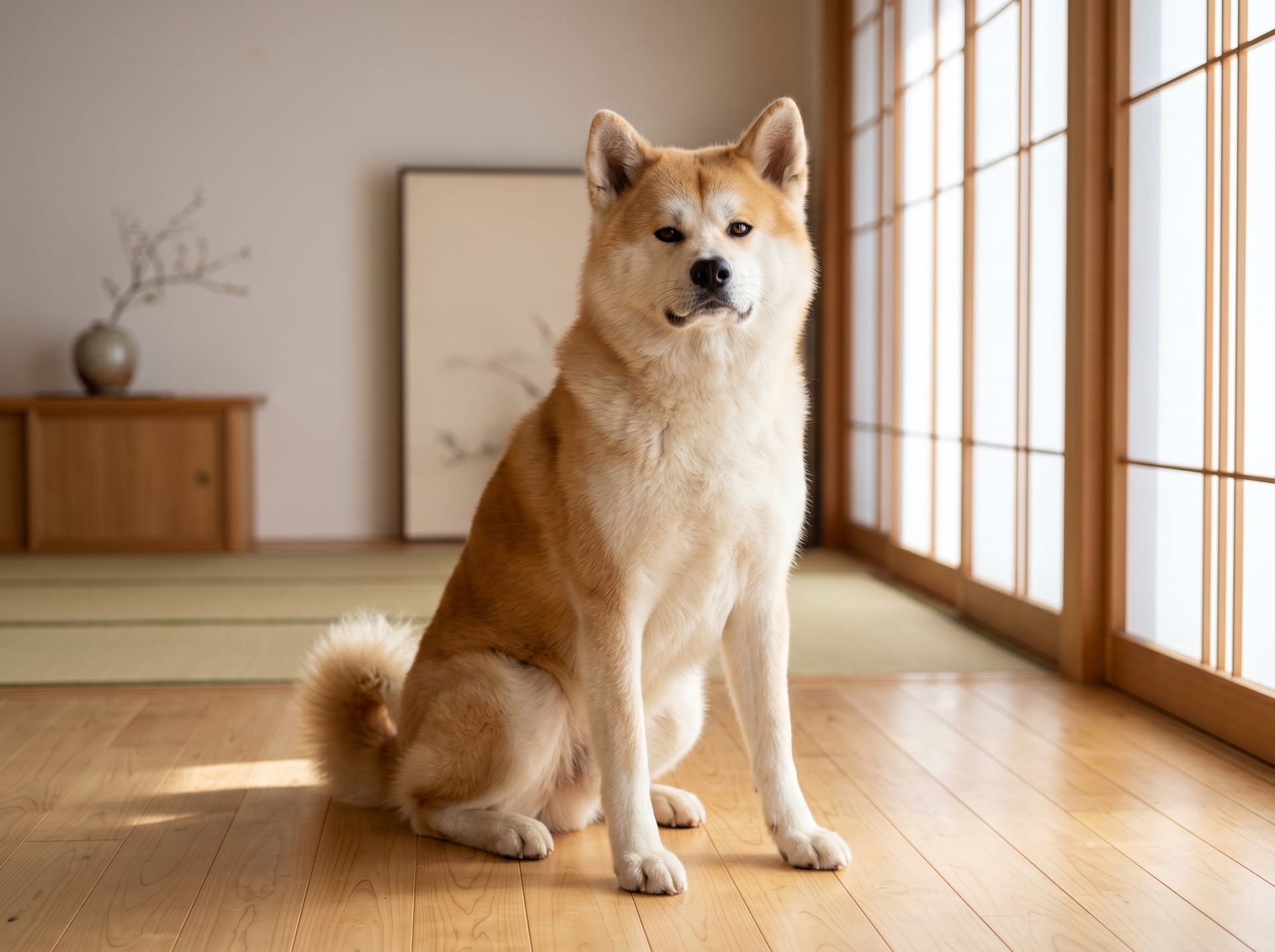
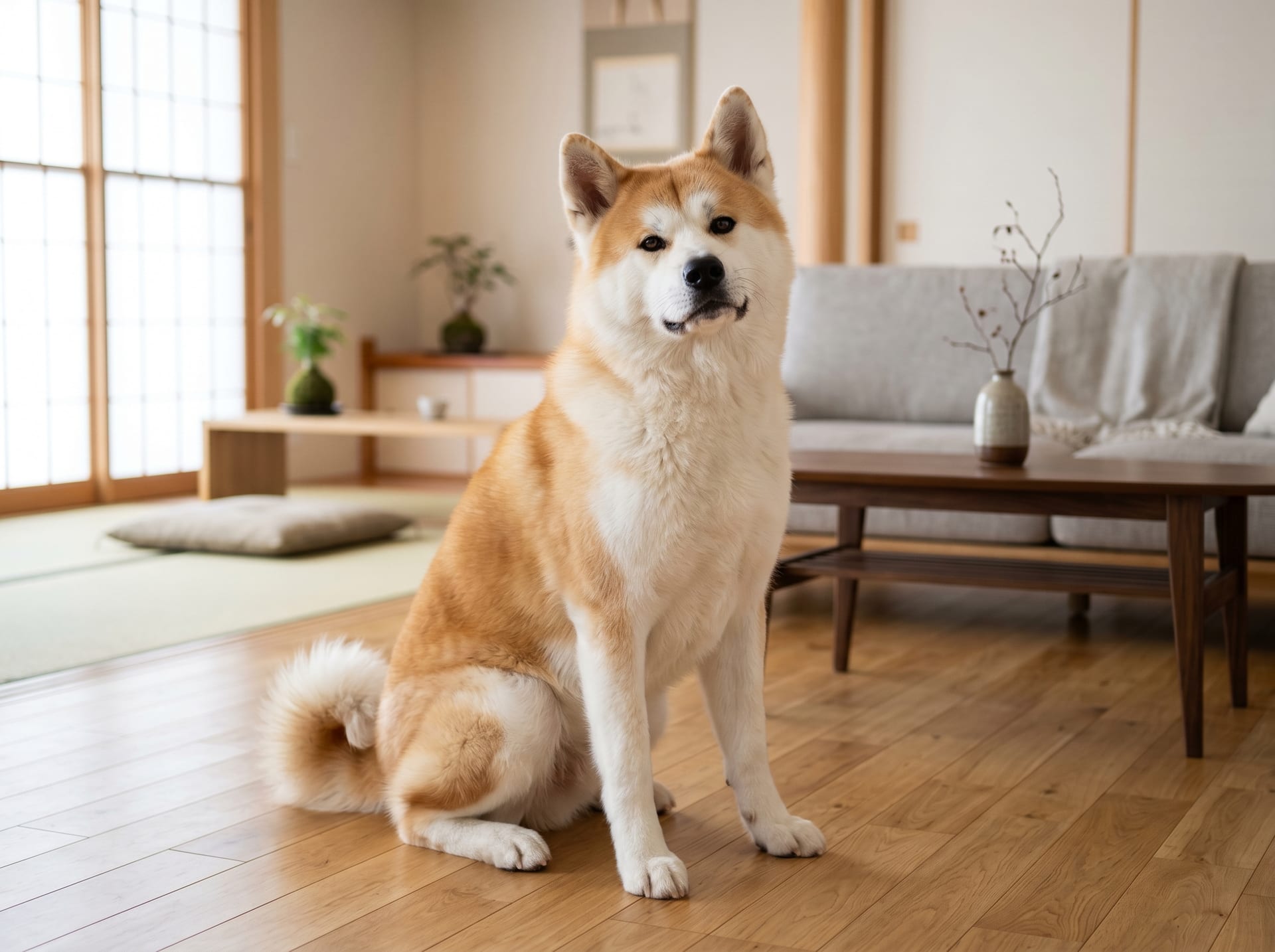
Coat: Double-layered structure. Hard outer coat (overcoat) and soft undercoat. Colors include red, white, brindle, and sesame.
Build: Sturdy, muscular body type. Tail characteristically curled (spiral tail).
Face: Triangular erect ears, small almond-shaped eyes, and firm muzzle create a dignified expression.
International Classification of Akitas
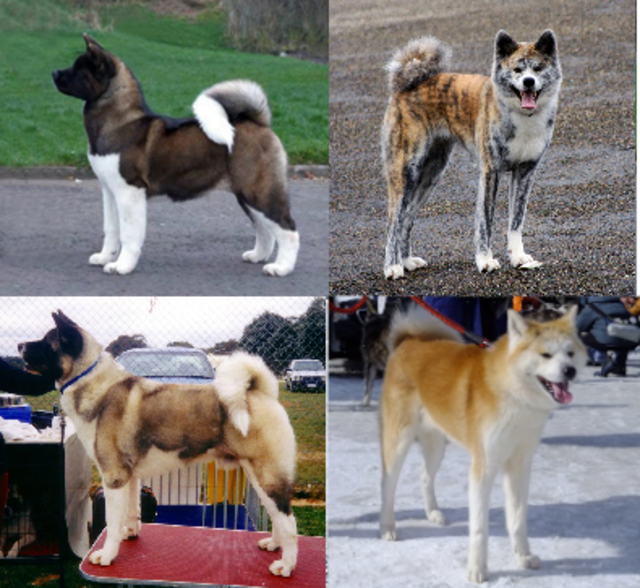
There are two types of Akitas in the world: "Japanese Akita" and "American Akita (Great Japanese Dog)."
Akita (Japan Kennel Club certified): The original breed preserving Japanese bloodlines, primarily found in Japan.
American Akita: Akitas taken to America after World War II developed independently. They have somewhat different proportions and tend to be heavier. The FCI (Fédération Cynologique Internationale) recognizes them as a separate breed.
This article primarily covers the Japanese Akita.
Akita Personality
Understanding the Akita's personality correctly is the first step to proper care.
Loyalty: Their devotion to their owner is extremely strong, showing deep obedience once a bond is formed. The story of Hachiko is a symbol of this loyalty.
Independence: Due to their hunting dog heritage, they have a strong independent nature and tend to make their own judgments. They may not always respond immediately to commands.
Protective Instinct: They have strong territorial awareness and are cautious of strangers and other animals. Insufficient socialization can lead to aggressive behavior.
Gentle Side: They show a calm and affectionate side toward family members and can develop good relationships with children, though caution is needed due to their large size when interacting with young children.
Suitability for Beginners: Given their strength and independent nature, they are a challenging breed for those without experience handling large dogs.
Training Tips
Early Socialization (Most Important)
It is extremely important to expose Akitas to various people, dogs, and environments from a young age.
Socialization Period: The critical socialization window is 3 to 14 weeks of age. Provide as many positive experiences as possible during this time.
Experiences to Provide:
Various people (children, elderly individuals, people wearing hats, people in uniforms)
Different dogs and other animals
Urban sounds (cars, motorcycles, construction noise)
Trains, buses, and crowds
Animal hospitals, pet shops, and parks
Note: Forced experiences can backfire. It's important for all experiences to be remembered as positive.
Basic Training Principles
Positive Reinforcement: Reward good behavior with treats, praise, or play. Punishment-based training often backfires with Akitas.
Consistency: Apply rules consistently. Inconsistency in rules causes confusion. All family members should use the same approach.
Leadership: Akitas understand hierarchy within a group. The owner must establish themselves as a calm yet clear leader.
Ongoing Training: While intelligent, Akitas require continued training in basic commands (sit, down, stay, come) even into adulthood.
Compatibility with Other Dogs
Akitas may have poor compatibility with dogs of the same sex, especially males with males. Multi-dog households require careful management and separate living spaces must be available.
Exercise and Lifestyle Management
Required Exercise
As large dogs, Akitas require adequate exercise.
Recommended Exercise: 1-2 hours total daily of walking and running
Types of Exercise: Leashed walks, off-leash play in dog parks, and scent-based activities
Note: Intense exercise during growth (up to 1 year) can strain joints. Keep exercise moderate.
Living Environment
Housing: Akitas need adequate space due to their size. Apartment living is often difficult; a house with a yard is ideal.
Temperature Tolerance: Their double coat makes them sensitive to heat. Air conditioning is essential in summer (28°C or lower recommended).
Outdoor Living: While outdoor housing was once common, indoor living is now recommended for proper socialization, bonding, and health management.
Grooming
The Akita's double coat sheds heavily during shedding seasons (spring and fall).
Brushing Frequency: 2-3 times weekly during normal periods, daily during shedding seasons
Tools: Use slicker brushes and combs. An undercoat rake is also effective for removing undercoat.
Bathing: 1-2 times monthly. Use dog shampoo to protect the coat's natural oils. Insufficient drying can cause skin problems.
Nail Trimming: 1-2 times monthly
Ear Cleaning: Check and clean 1-2 times monthly
Teeth Brushing: Daily if possible (for periodontal disease prevention)
Health Management and Common Diseases
Breed-Specific Diseases
VKH Syndrome (Voigt-Koyanagi-Harada-like Disease): An autoimmune condition where the immune system attacks melanocytes in the skin, eyes, and nervous system. Symptoms include loss of hair pigmentation (depigmentation), uveitis, and skin lesions. Common in Akitas. Requires immunosuppressive therapy.
Pemphigus: An autoimmune skin disease causing blisters, erosions, and crusts on the skin. Managed with steroids and immunosuppressive medications.
Hypothyroidism: Decreased metabolism leading to obesity, lethargy, and skin problems. Managed with hormone replacement therapy.
Joint and Skeletal Diseases
Hip Dysplasia (HD): A hereditary condition common in large breeds. Malformed hip joints cause lameness and pain. Managed through exercise control, weight management, and sometimes surgery.
Elbow Dysplasia (ED): Malformation of the elbow joint, with foreleg lameness as the primary symptom.
Osteoarthritis: Common in aging dogs. Managed through weight management, low-impact exercise, and supplements (glucosamine, etc.).
Other Health Concerns
Skin Diseases: The double coat makes them prone to dermatitis in hot, humid environments.
Gastric Dilation-Volvulus (GDV): An emergency condition common in large breeds. Avoid vigorous exercise after meals.
Eye Diseases: Including cataracts and progressive retinal atrophy (PRA).
Nutrition Management
Feeding Amount: Adjust based on weight, age, and activity level. Use dry food package guidelines as reference and adjust based on body condition.
Obesity Prevention: Excess weight puts significant strain on joints. Maintaining ideal body condition is crucial.
Feeding Frequency: Adults should be fed twice daily. Avoid vigorous exercise immediately after meals due to GDV risk.
Food Selection: Large-breed dry food with high-quality protein and joint support nutrients is recommended.
With proper knowledge and care, Akitas become reliable companions for life. Their dignified presence and deep loyalty bring great joy to their owners. Through BreederDirect, you can connect directly with responsible Akita breeders and consult in detail about pedigree, health certifications, and the temperament of parent dogs before making your decision.