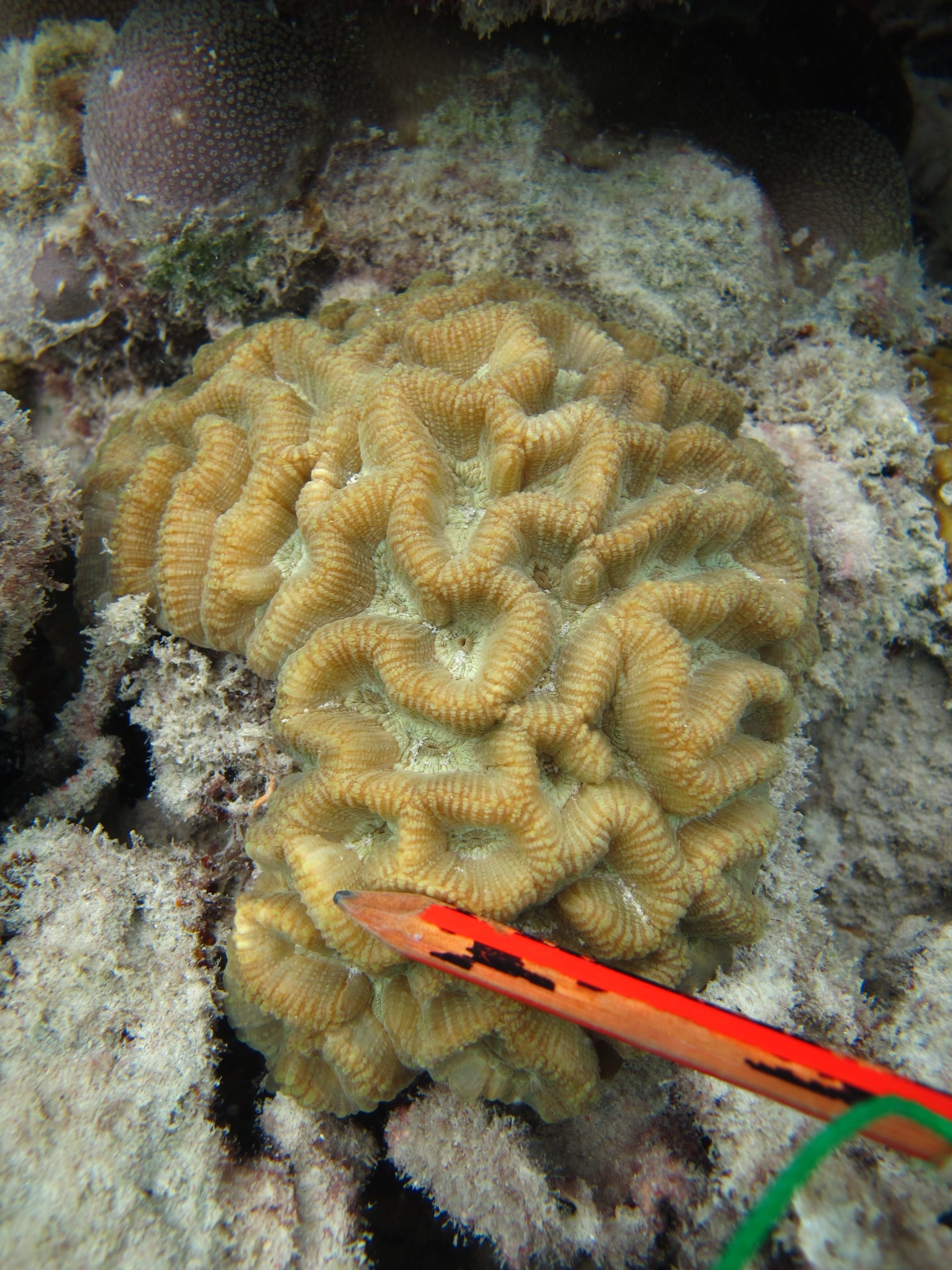
 © Kerryn Johns / CC BY 4.0
Paragoniastrea Australensis
The Lesser Star Coral (Paragoniastrea australensis) is a reef-building coral in the family Merulinidae. Its defining feature is that its corallites never fully separate, instead winding together in short, meandering ridges that give the colony a distinctive undulating surface. Found across shallow reefs of the Indo-Pacific, it typically grows into hemispherical colonies in shades of brown or green. Thanks to its hardy nature, it tolerates a range of aquarium conditions reasonably well, making it a popular choice for those new to coral keeping. Its subdued coloring and sturdy form give it a quiet but solid presence in any reef tank.
View Paragoniastrea Australensis encyclopedia →0% commission on your first sales!Register by September 30, 2026 and your first 2 sales are commission-free!
Breeder Wanted!
List on BreederDirect and sell directly to customers nationwide!
Br-Choku's 6 Transparency Standards
Our Breeder sellers disclose detailed care specs for all Coral listings. We prioritize Aquacultured/CB specimens, verify WYSIWYG photos, and provide difficulty ratings—avoiding wild-caught.
- Aquacultured
- WYSIWYG Photo
- Difficulty Disclosed
- Frag/Colony
- Care Info Included
- Trade name shown
Browse all 210 breeds
Difficulty
No listings match your filters
Adjust your filters, or get notified when new listings arrive.
Getting alerts is free with a member account. When new listings match your saved search, we'll notify you by email and in-app.
Browse other categories
Verified breeders (preview)
Paragoniastrea Australensis key facts
- Care level
- Beginner-friendly
- Size
- Colonies to several tens of cm
- Temperature
- 24〜27℃
- Diet
- Mainly nutrition from symbiotic zooxanthellae, supplemented with meaty coral foods offered at night.
- Lighting
- LiveAquaria gives moderate lighting for this group of brain corals. Reduce the light at first and raise it to the target position over several weeks.
- Flow & Placement
- Medium flow. Detritus collects in the valleys between the ridges, so give it randomised flow strong enough to keep them clear.
- Water Temperature & Quality
- Water 24-26C, specific gravity 1.023-1.025, salinity 33-35 ppt, KH 8-12. It consumes calcium and magnesium, so test and replenish them regularly.
- Feeding
- Most of its nutrition comes from its zooxanthellae. It extends its polyps at night, so meaty coral food after lights-out speeds its growth.
- Notes
- The ridged skeleton is easily confused with Platygyra, and the coral is often traded under its former genus Goniastrea. As a scleractinian it is on CITES Appendix II and international trade requires permits.
About Paragoniastrea Australensis
A hardy reef-building coral known for its short, meandering ridges. Found on shallow Indo-Pacific reefs, it forms brown or green hemispherical colonies and suits beginner coral keepers well.
7 things to know before welcoming a Paragoniastrea Australensis
1The Meandering Ridge Pattern
In this species, corallites never fully separate but instead wind together in short, meandering ridges across the colony surface. This undulating pattern is the source of its Japanese name and one of its most distinctive visual features.
2Hardy and Beginner-Friendly
This species is generally considered suitable for beginners thanks to its tolerance of varying water quality and light levels. It's a forgiving choice for those just starting out with coral keeping.
3Preferred Light and Flow
Like many corals in the Merulinidae family, it tends to prefer moderate, stable lighting and gentle water flow rather than intense conditions. When introducing it to a new tank, acclimate it gradually to avoid sudden changes.
4Colonies Reach Tens of Centimeters
Mature colonies can reach several tens of centimeters in diameter. Even a small starter piece can grow steadily over time into an impressive centerpiece.
5Brown or Green Coloring
Colonies typically appear in shades of brown or green, forming a calm, understated presence in the tank. Coloration can vary depending on the individual and its environment.
6Give It Room from Neighbors
Like many reef-building corals, it can sting neighboring colonies that grow too close using its tentacles. Leave adequate spacing between it and other corals, accounting for its eventual size.
7Acclimate Slowly After Arrival
After bringing it home, keep an eye on polyp extension and coloration to check how well it's adjusting. Even though it's a hardy species, take your time with the acclimation process rather than rushing it.
Frequently asked questions about Paragoniastrea Australensis
- Q.Is this coral suitable for beginners?
- A.Yes, it's generally considered a hardy, beginner-friendly species. As long as you avoid sudden changes in water quality or lighting, basic saltwater aquarium knowledge is enough to keep it well.
- Q.How large does it grow?
- A.Mature colonies can reach several tens of centimeters in diameter. Growth speed varies with tank conditions, so it helps to plan for extra space in advance.
- Q.Can it be kept with other corals?
- A.Yes, but neighboring colonies can sting each other through contact. It's best to leave enough space between this coral and others, accounting for its eventual size.
- Q.What tank conditions does it need?
- A.It generally prefers moderate, stable lighting and gentle water flow rather than intense conditions. Keeping water parameters stable and avoiding abrupt changes is key to its health.
- Q.Are there any import or ownership restrictions?
- A.Paragoniastrea Australensis is listed in CITES Appendix II. International trade requires a permit from the exporting country, but as far as CITES is concerned, no registration is needed to buy or sell individuals already legally in Japan.
Useful tools for Paragoniastrea Australensis care
Learn more about Paragoniastrea Australensis in the encyclopedia
View Paragoniastrea Australensis encyclopedia entry →
Care difficulty, lifespan, size and diet — all basics covered.
More in this category
Can't find the one you're looking for?
Post your wishes for free and breeders with matching animals will contact you with introductions.