Source: Wikimedia Commons
Paragoniastrea Australensis
BeginnerParagoniastrea australensis
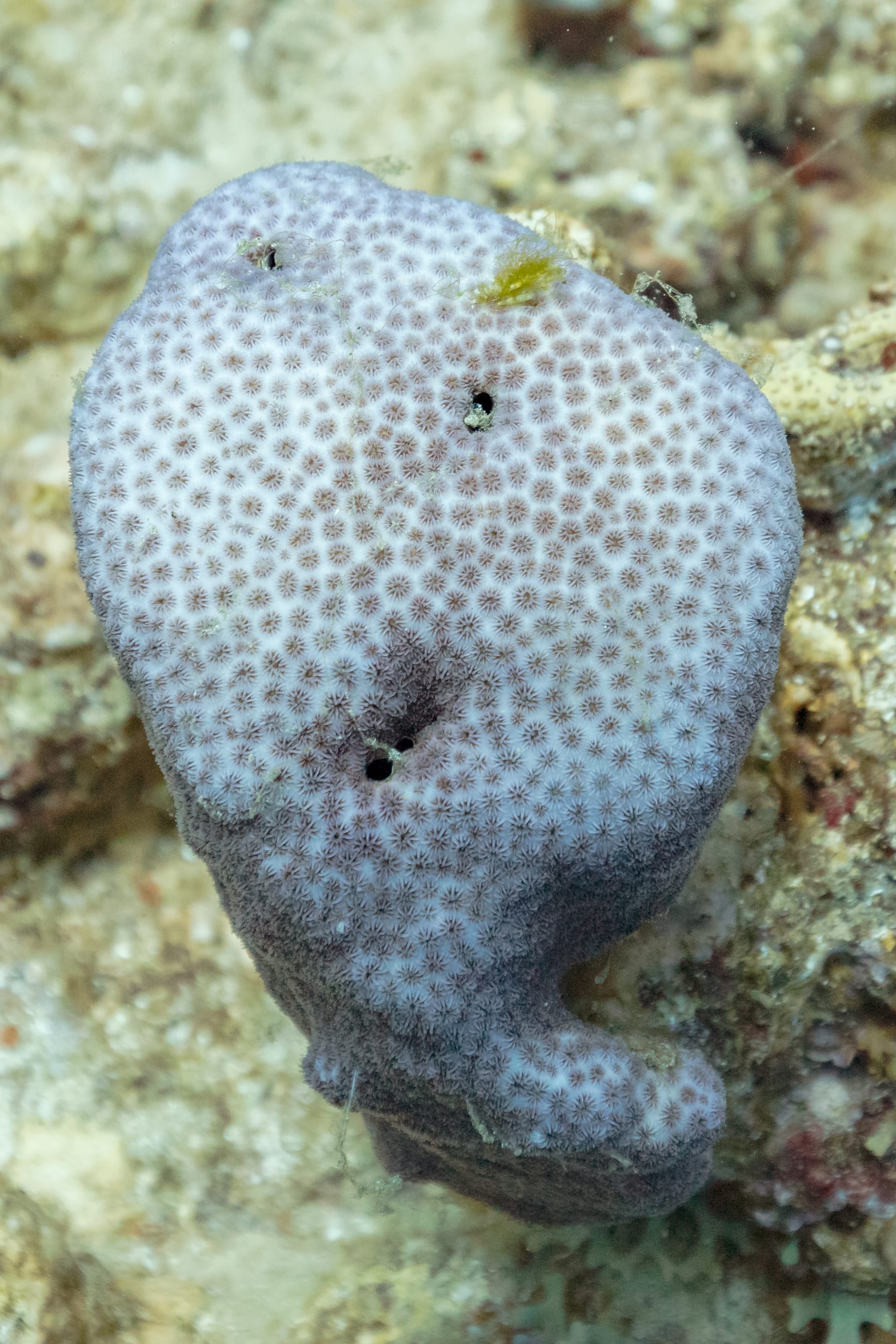
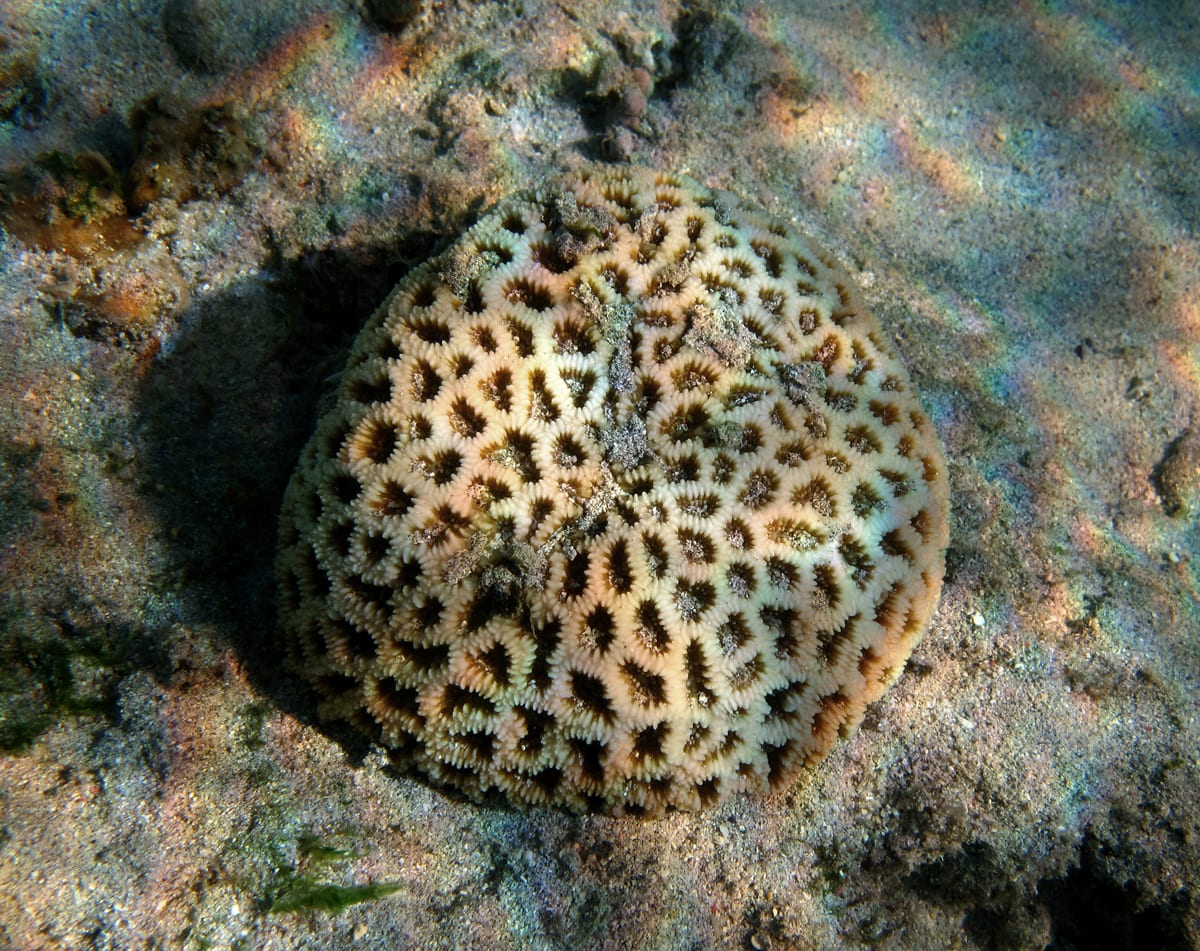
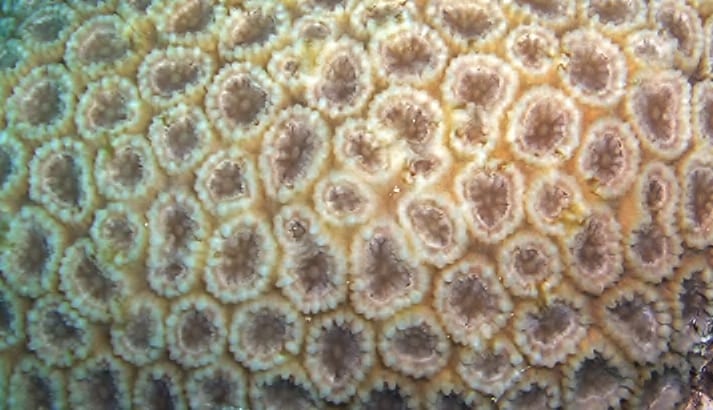
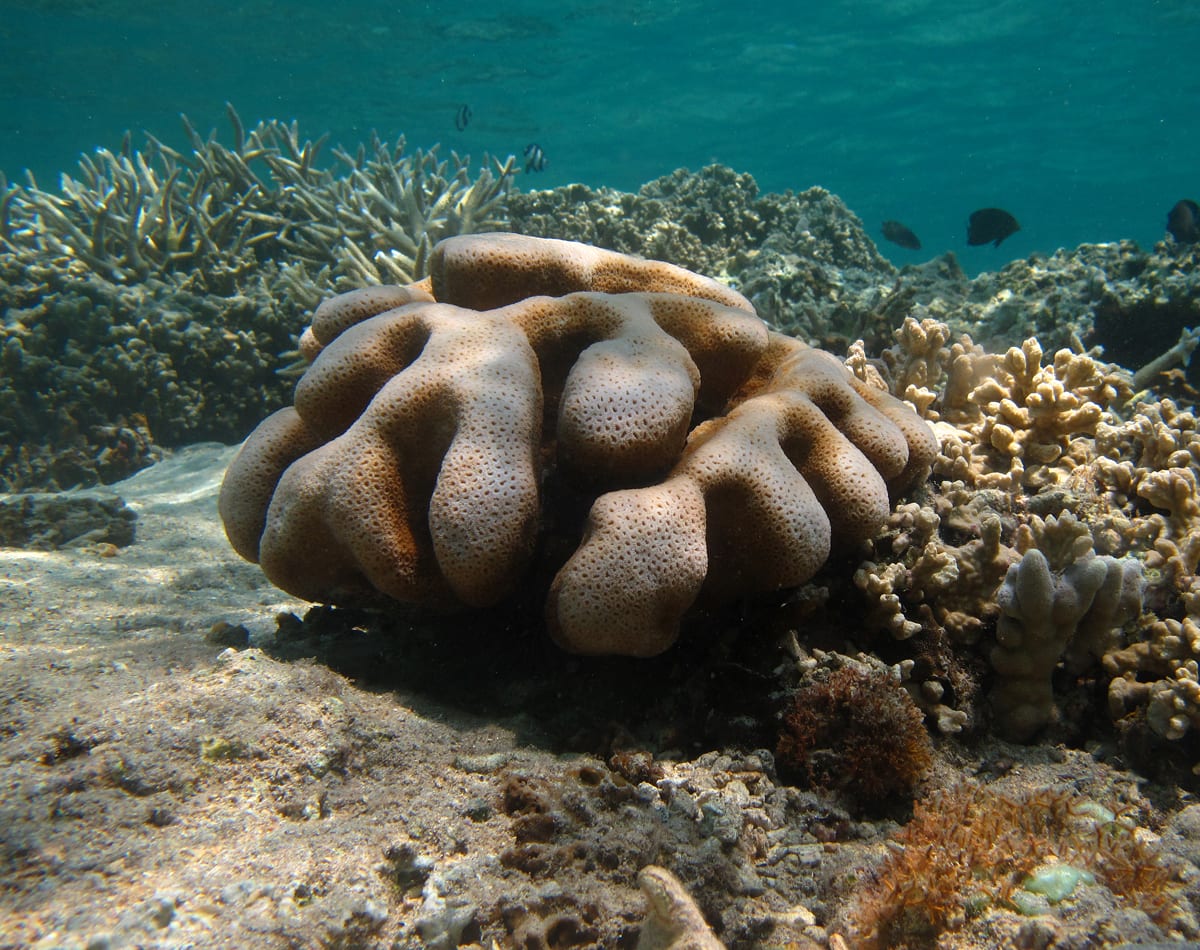
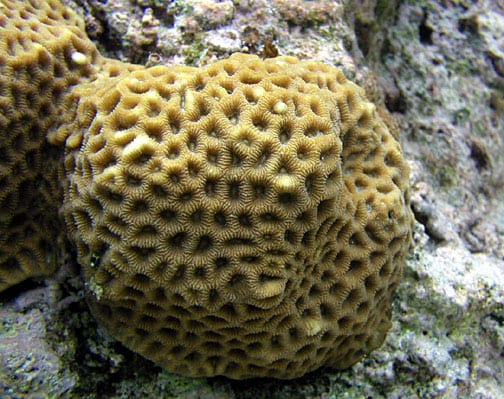
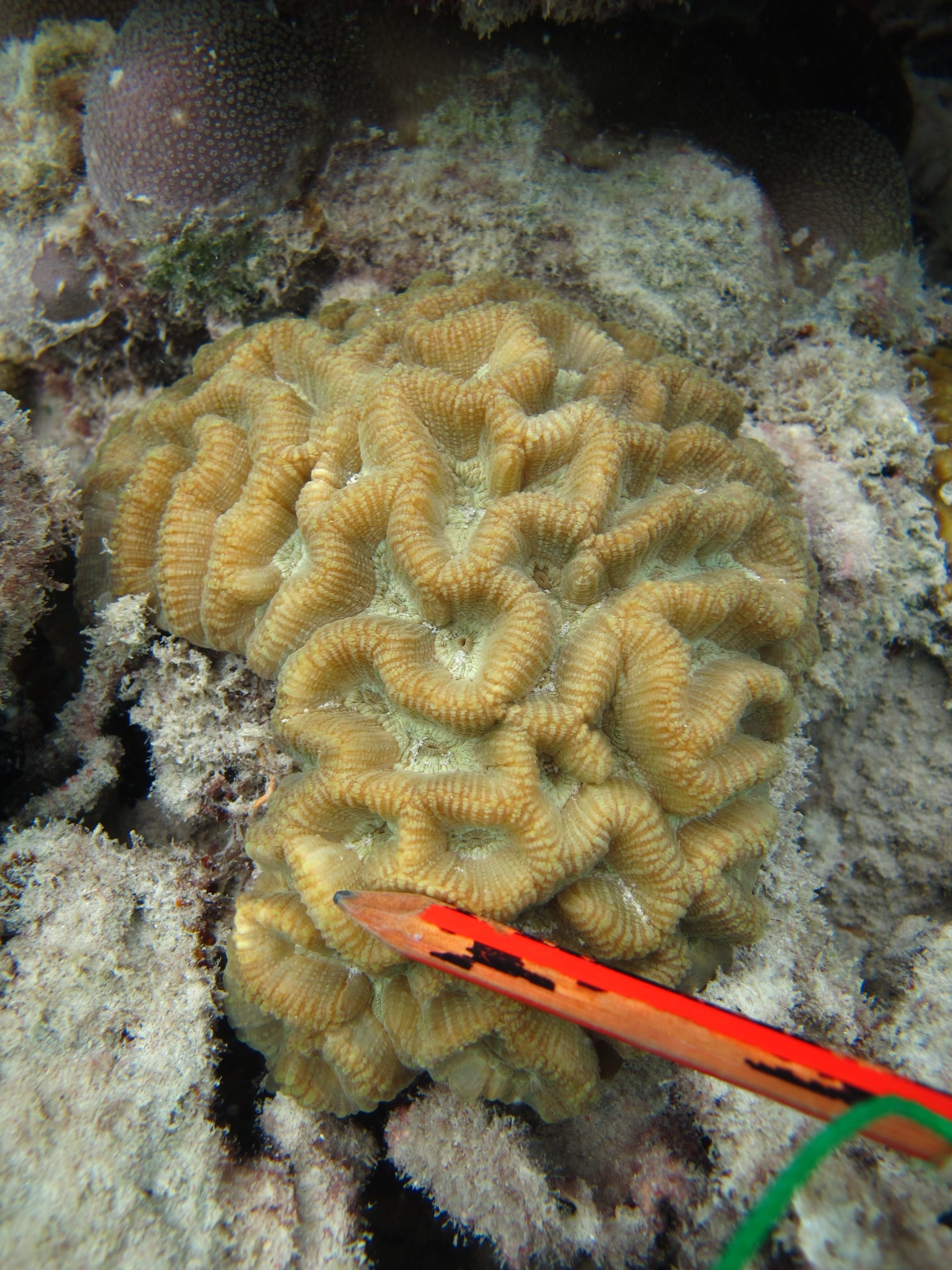
A merulinid reef coral whose corallites run together into short meandering ridges. Called the lesser star coral in English, it lives in shallow Indo-Pacific water and forms hardy brown or green hemispherical colonies.
Difficulty
Beginner
Temperature
24〜27℃
Size
Colonies to several tens of cm
Diet
Mainly nutrition from symbiotic zooxanthellae, supplemented with meaty coral foods offered at night.
About
Paragoniastrea australensis is a reef-building merulinid coral of shallow Indo-Pacific waters. Milne Edwards and Haime described it in 1857, and it was long treated as Goniastrea australensis before molecular work placed it in Paragoniastrea. Colonies are hemispherical to dome-shaped, and the corallites do not fully separate: they join into short meanders that raise the surface into ridges, which distinguishes this coral from the true moon corals of the family. Colonies are usually brown or greyish green, sometimes with the valleys and ridges differently coloured. The IUCN rates it Least Concern. In the aquarium it is stable under moderate light and moderate flow and is not fussy about placement, but space must be left around it because the sweeper tentacles it extends at night damage neighbouring corals. As a scleractinian it is on CITES Appendix II.
Source: Wikipedia (CC BY-SA 4.0)
Temperature & humidity for the Paragoniastrea Australensis
The ideal temperature for the Paragoniastrea Australensis is 24〜27℃.
Basic Info
Origin
Shallow water across the Indo-Pacific
Size
Colonies to several tens of cm
Temperature
24〜27℃
Diet
Mainly nutrition from symbiotic zooxanthellae, supplemented with meaty coral foods offered at night.
Care Guide
Care Specifications
- Carbonate (KH)
- 8–12 dKH
- Water Temp.
- 24–27℃
- Specific Gravity
- 1.023–1.025
- Salinity
- 33–35 ppt
- Calcium (Ca)
- 380–450 ppm
- Magnesium (Mg)
- 1200–1400 ppm
LPSLight: Medium (PAR 50-150)Flow: MediumPlacement: Flexible
Sources: LiveAquaria / AlgaeBarn: Calcium Supplementation / WoRMS (World Register of Marine Species)
References & Sources
Edited & verified by: BreederDirect editorial team
The taxonomic, regulatory, and husbandry data on this page are compiled and verified against the authoritative primary sources below.
Taxonomy & Authority
Accepted name: Paragoniastrea australensis (Haime & Milne Edwards, 1857)
Synonyms: Goniastrea australensis (Haime & Milne Edwards, 1857), Coeloria australensis (Haime & Milne Edwards, 1857), Goniastrea benhami Vaughan, 1917
Authority databases: WoRMS
Nomenclature follows global taxonomic authority databases.
Regulations & Conservation Status
CITES Appendix IIIUCN LC · Least Concern
Sources: CITES Appendix II (Scleractinia spp. listed as an order) / IUCN Red List
Regulations may change. Always verify the latest information with the relevant authorities.
Paragoniastrea Australensis Listings
Loading latest listingsFind listings for this species