AI-generated image
Caulastrea Curvata
BeginnerAstraeosmilia curvata
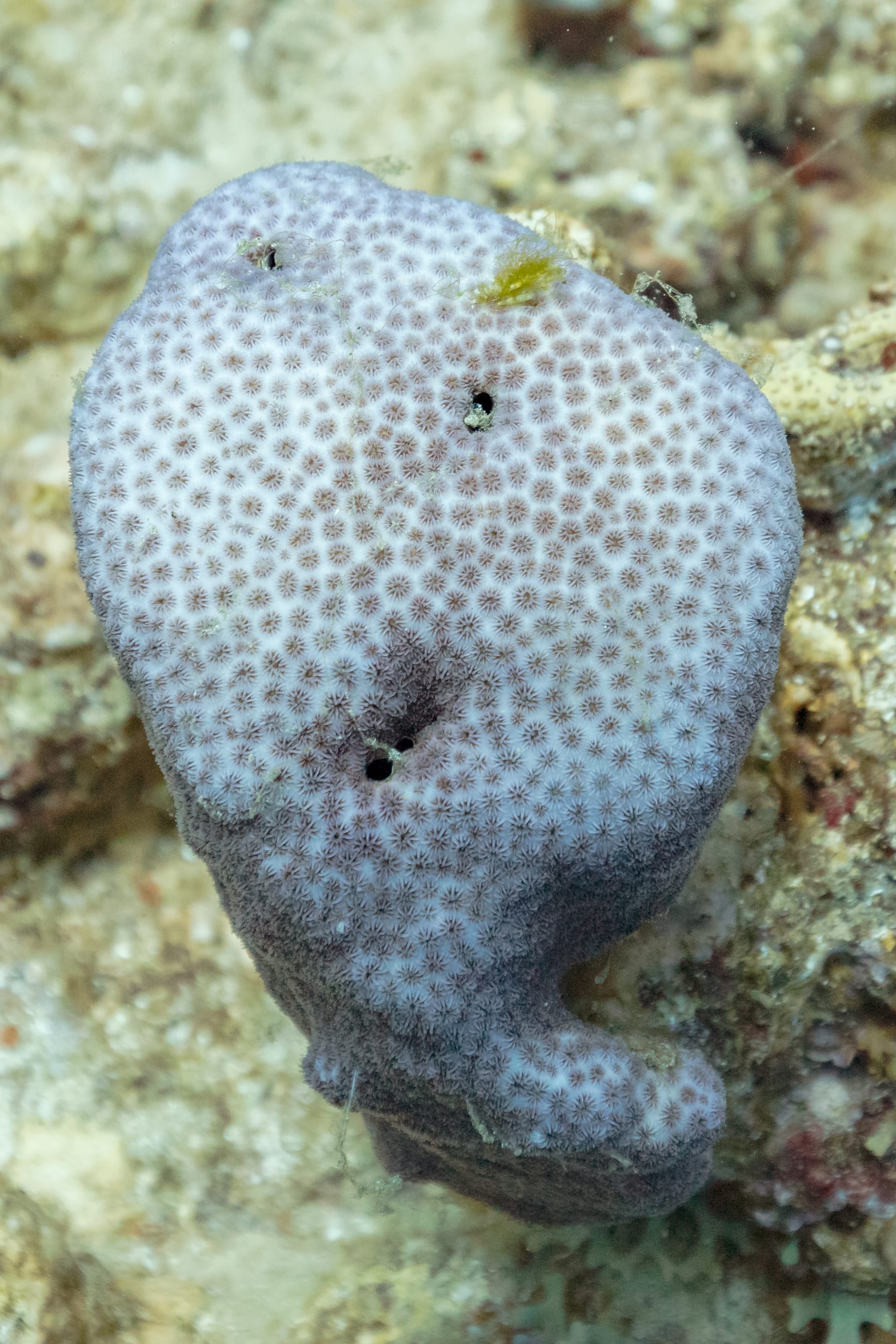
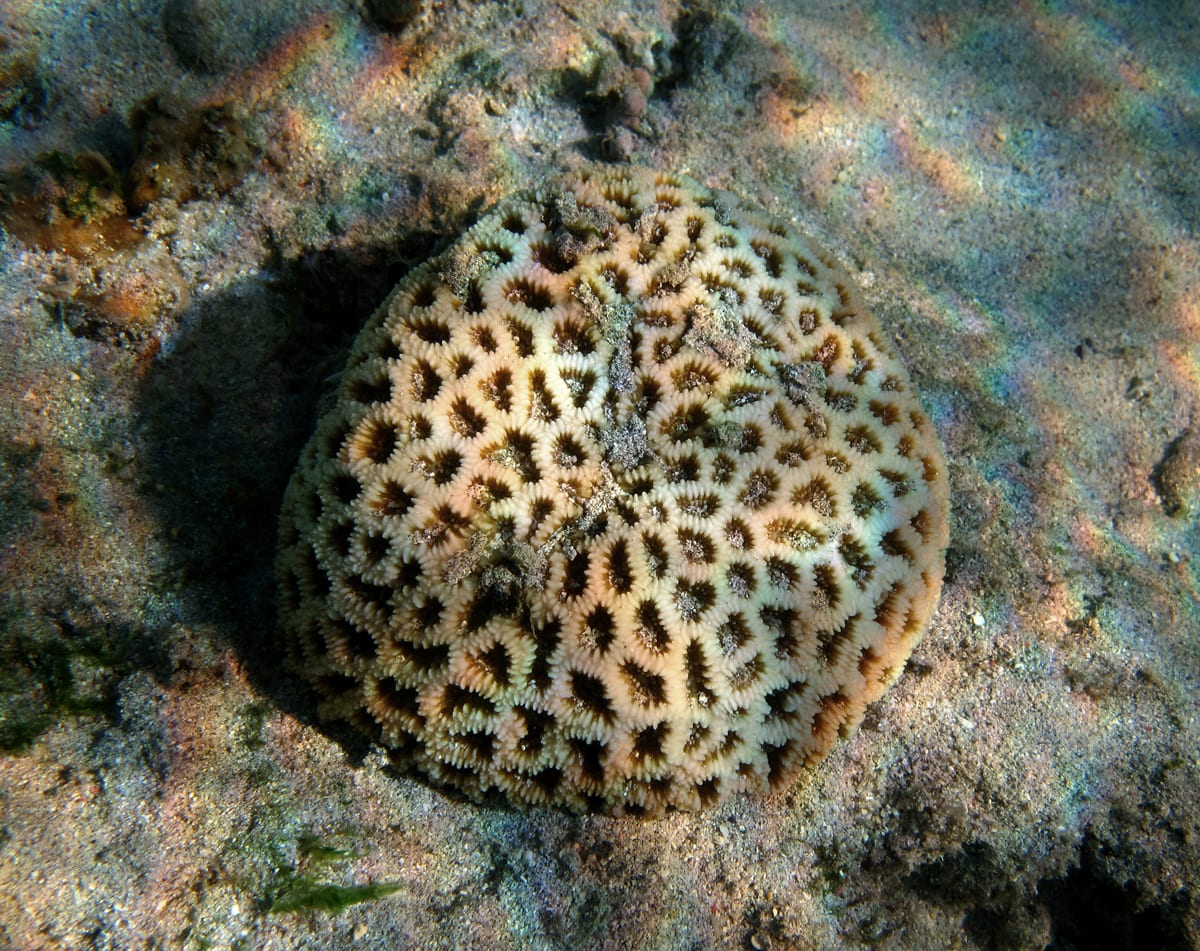
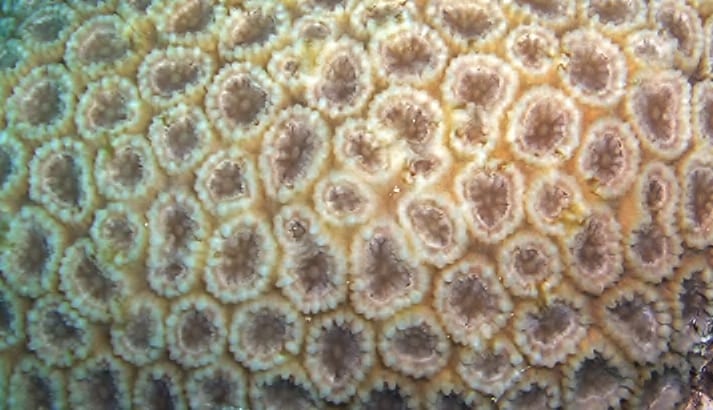
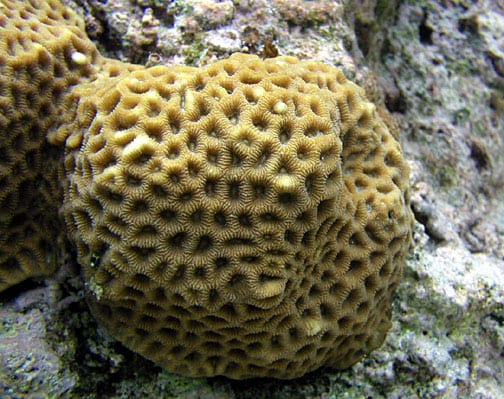
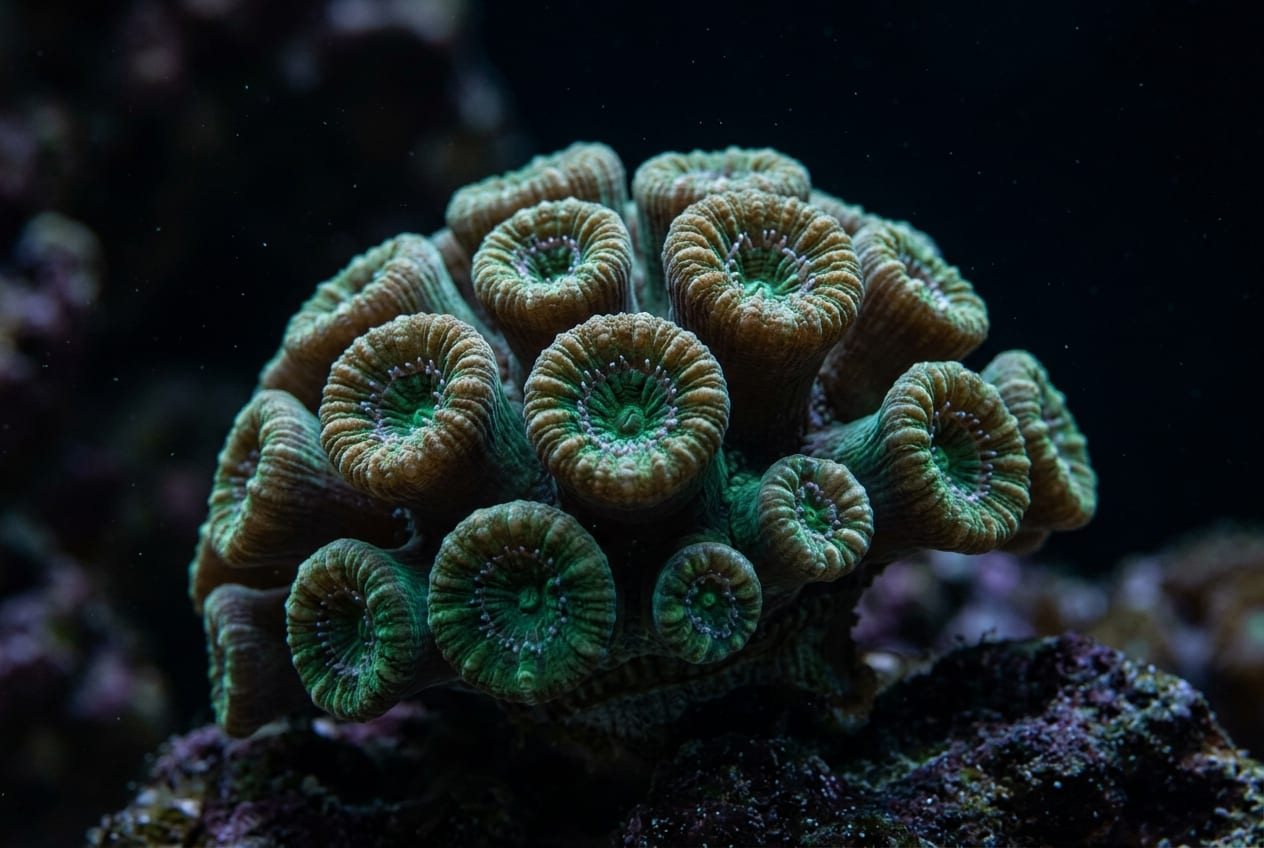
A stony coral whose colonies consist of rounded polyps borne on tubular stalks. It belongs to the candy cane coral group, and the curved stalks give the species its epithet. Most records come from Australia and New Caledonia.
Difficulty
Beginner
Temperature
24〜26℃
Size
Colonies to around 10-20 cm across
Diet
Mainly nutrition from symbiotic zooxanthellae, supplemented with meaty coral foods offered at night.
About
Astraeosmilia curvata was described by Wijsman-Best in 1972 as Caulastraea curvata, and WoRMS now places it in Astraeosmilia. The specimen records aggregated by GBIF are dominated by Australia, followed by New Caledonia and Indonesia, with further records from Papua New Guinea, Fiji, Japan, the Philippines, Palau, Vanuatu, Malaysia and the Solomon Islands. Colonies consist of tubular stalks that rise from the base and carry a rounded, swollen polyp at the tip; the curve of those stalks gives the species its epithet curvata. Corals of this form are widely traded as candy cane or trumpet corals, and LiveAquaria rates the group as easy to keep, with moderate lighting, medium flow and a peaceful temperament. As a scleractinian it is on CITES Appendix II.
Source: Wikipedia (CC BY-SA 4.0)
Size of the Caulastrea Curvata
The Caulastrea Curvata grows to Colonies to around 10-20 cm across.
Temperature & humidity for the Caulastrea Curvata
The ideal temperature for the Caulastrea Curvata is 24〜26℃.
Basic Info
Origin
Australia, New Caledonia, Indonesia, Papua New Guinea, Fiji, Japan, the Philippines, Palau and Vanuatu, among others
Size
Colonies to around 10-20 cm across
Temperature
24〜26℃
Diet
Care Specifications
- Carbonate (KH)
- 8–12 dKH
- Water Temp.
- 24–26℃
- Specific Gravity
- 1.023–1.025
- Salinity
- 33–35 ppt
- Calcium (Ca)
- 380–450 ppm
- Magnesium (Mg)
- 1200–1400 ppm
LPSLight: Medium (PAR 50-150)Flow: MediumPlacement: Flexible
Sources: LiveAquaria / AlgaeBarn: Calcium Supplementation / WoRMS (World Register of Marine Species) /
References & Sources
Edited & verified by: BreederDirect editorial team
The taxonomic, regulatory, and husbandry data on this page are compiled and verified against the authoritative primary sources below.
Taxonomy & Authority
Accepted name: Astraeosmilia curvata (Wijsman-Best, 1972)
Synonyms: Caulastrea curvata Wijsman-Best, 1972, Caulastraea curvata Wijsman-Best, 1972
Authority databases: WoRMS
Nomenclature follows global taxonomic authority databases.
Regulations & Conservation Status
CITES Appendix II
Sources: CITES Appendix II (Scleractinia spp. listed as an order)
Regulations may change. Always verify the latest information with the relevant authorities.
Caulastrea Curvata Listings
Loading latest listingsFind listings for this species