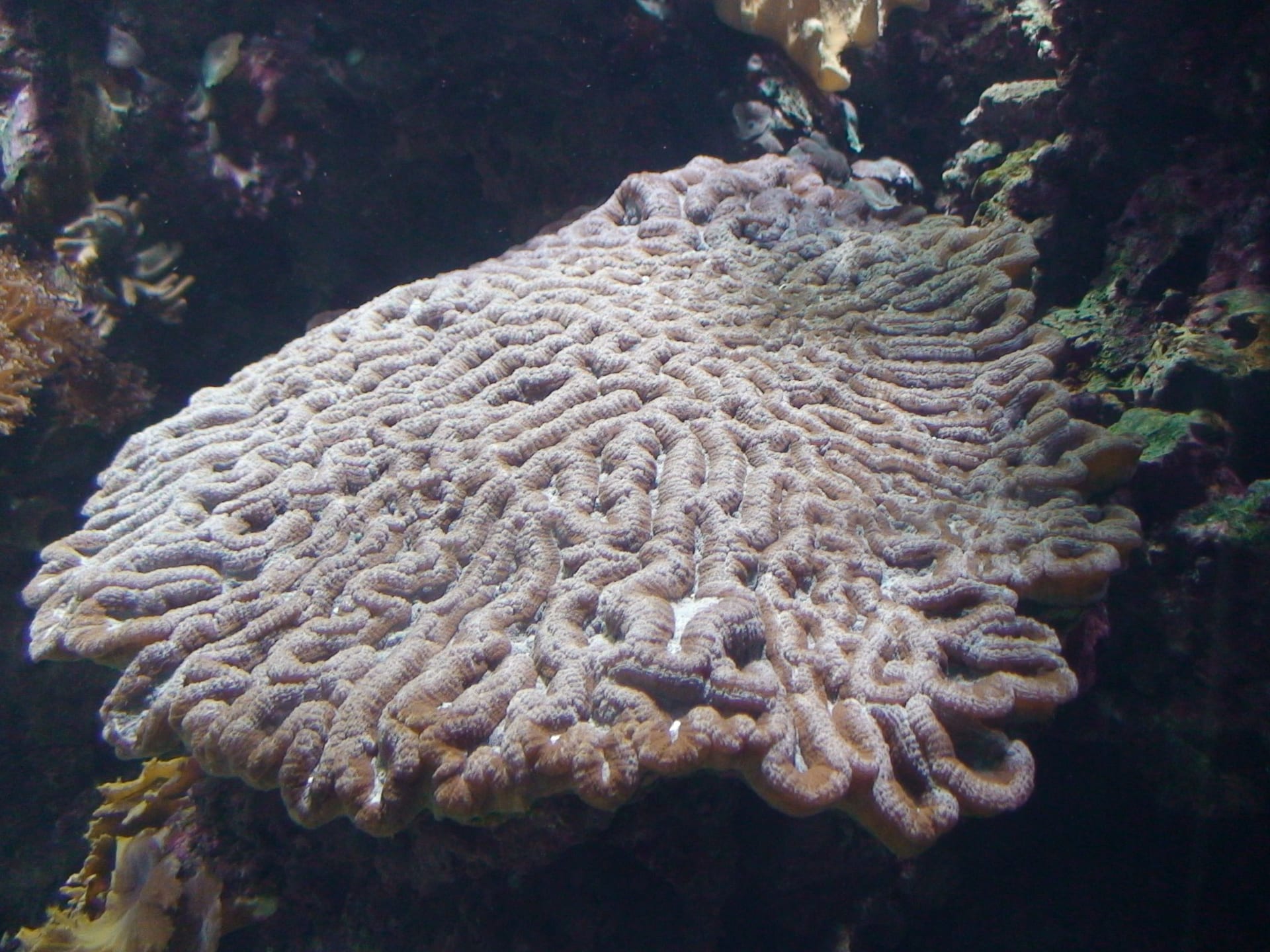
 © Júlio Reis / CC BY-SA 3.0
Oulophyllia
Oulophyllia, also known as the Intermediate Valley Coral, is a reef-building coral in the family Faviidae, recognized by its distinctive skeleton of wide, sweeping valleys separated by sharp ridges. During the day the surface shows this bold ridged pattern, but after dark the coral extends large, fleshy polyps with white-tipped tentacles across its surface, giving it a completely different look at night. Colonies can eventually grow past 1m in diameter, though Red Sea specimens tend to stay much smaller, around 20cm, so final size can vary a lot depending on origin and tank conditions. It's generally considered a coral for intermediate keepers, best suited to those who already have some experience managing water quality and lighting.
View Oulophyllia encyclopedia →0% commission on your first sales!Register by September 30, 2026 and your first 2 sales are commission-free!
Breeder Wanted!
List on BreederDirect and sell directly to customers nationwide!
Br-Choku's 6 Transparency Standards
Our Breeder sellers disclose detailed care specs for all Coral listings. We prioritize Aquacultured/CB specimens, verify WYSIWYG photos, and provide difficulty ratings—avoiding wild-caught.
- Aquacultured
- WYSIWYG Photo
- Difficulty Disclosed
- Frag/Colony
- Care Info Included
- Trade name shown
Browse all 210 breeds
Difficulty
No listings match your filters
Adjust your filters, or get notified when new listings arrive.
Getting alerts is free with a member account. When new listings match your saved search, we'll notify you by email and in-app.
Browse other categories
Verified breeders (preview)
Oulophyllia key facts
- Care level
- Intermediate
- Size
- Colonies over 1 m across, but seldom more than 20 cm in the Red Sea
- Temperature
- 24〜27℃
- Diet
- Mainly nutrition from symbiotic zooxanthellae, supplemented with meaty coral foods given to the large polyps at night.
- Lighting
- LiveAquaria gives moderate lighting for brain corals of this type. The species grows down to 30 m, so strong light is unnecessary; place it from mid-height downwards.
- Flow & Placement
- Medium flow, randomised, because detritus collects in the broad valleys. Leave enough space that the fleshy polyps, which swell at night, cannot touch a neighbour.
- Water Temperature & Quality
- Water 24-26C, specific gravity 1.023-1.025, salinity 33-35 ppt, KH 8-12. It consumes calcium and magnesium, so test and replenish them regularly.
- Feeding
- The polyps open only at night, so give meaty coral food to the extended tentacles after lights-out; daytime feeding achieves nothing.
- Notes
- The IUCN assessed it as Endangered in 2024, so it is worth checking where and how a specimen was collected. As a scleractinian it is on CITES Appendix II and international trade requires permits.
About Oulophyllia
Oulophyllia is a Faviidae coral with a bold ridged-and-valleyed skeleton that opens large, white-tipped polyps only at night. Best suited to intermediate keepers; colonies can eventually exceed 1m across.
7 things to know before welcoming a Oulophyllia
1Polyps Only Open at Night
Oulophyllia keeps its polyps retracted during the day, showing off the ridged valley pattern of its skeleton. At night, large fleshy polyps expand fully, revealing white-tipped tentacles across the colony. Feeding and close observation are best timed after the lights go down.
2A Bold Ridged Skeleton
The coral's defining feature is its skeleton of wide valleys separated by sharp ridges, which can look quite different depending on the viewing angle. Choosing a placement that shows off this texture makes the most of its visual appeal.
3Best for Intermediate Keepers
This coral is generally considered suitable for intermediate-level keepers, requiring steady attention to water quality and lighting. It's best approached after gaining some experience keeping other corals.
4Final Size Varies by Origin
Colonies can eventually grow past 1m across, though Red Sea specimens are reported to stay much smaller, around 20cm. Growth rate and final size can differ noticeably depending on tank conditions and where the coral originated.
5Give It Room From Neighbors
When polyps extend at night, their tentacles can reach out and contact nearby corals. Leaving generous spacing around it — with future growth in mind — helps avoid contact with neighboring colonies.
6Prefers Moderate Light and Flow
As a coral with large, fleshy polyps, it tends not to do well under very strong flow or intense direct lighting. It's best to introduce it to a spot and adjust light and flow gradually while watching its response.
7Acclimate Slowly After Arrival
Right after introduction, polyps may stay closed for a while due to the stress of the move. A slow, gradual acclimation to the new tank's lighting and flow helps the coral settle in and recover more reliably.
Frequently asked questions about Oulophyllia
- Q.How large does Oulophyllia coral grow?
- A.Colonies can eventually exceed 1m in diameter. However, Red Sea specimens are reported to stay around 20cm, so final size varies depending on origin and tank conditions.
- Q.Is this coral suitable for beginners?
- A.It's generally considered suitable for intermediate-level keepers. It's best to gain some experience with water quality and lighting management before taking this one on.
- Q.Why don't I see the polyps open during the day?
- A.That's normal — this coral keeps its polyps retracted during the day, showing its ridged skeleton pattern. At night, large fleshy polyps expand and reveal their white-tipped tentacles.
- Q.Is it okay to place it close to other corals?
- A.Since its polyps extend at night and may contact neighboring colonies, it's best to leave generous spacing between it and other corals.
- Q.Is this species subject to any regulations?
- A.Oulophyllia is listed in CITES Appendix II. International trade requires a permit from the exporting country, but as far as CITES is concerned, no registration is needed to buy or sell individuals already legally in Japan.
Useful tools for Oulophyllia care
Learn more about Oulophyllia in the encyclopedia
View Oulophyllia encyclopedia entry →
Care difficulty, lifespan, size and diet — all basics covered.
More in this category
Can't find the one you're looking for?
Post your wishes for free and breeders with matching animals will contact you with introductions.