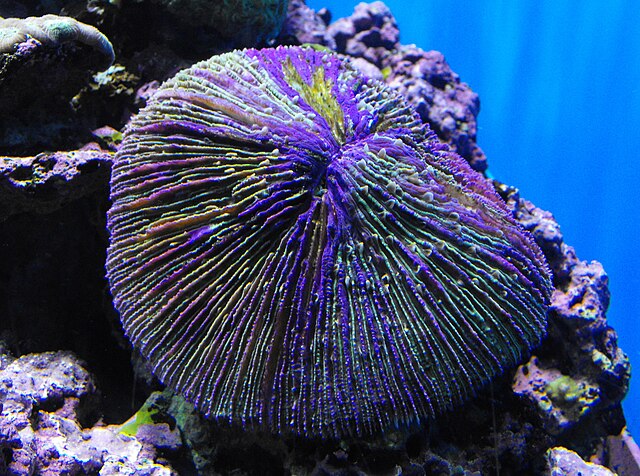
 © Josuevg / CC BY-SA 3.0
Fungia (Plate Coral)
Fungia, also known as Plate Coral, is a unique LPS coral with a disc-shaped body that can actually move across the sandbed on its own. Unlike most corals that stay fixed to rock, it repositions itself to catch better water flow and light, making it fascinating to watch over time. It's considered beginner-friendly and can be fed both through photosynthesis and liquid food. With a lifespan of 10+ years and an adult size of 5-20cm, this solitary coral makes a striking standalone piece or a nice accent alongside other corals.
View Fungia (Plate Coral) encyclopedia →0% commission on your first sales!Register by September 30, 2026 and your first 2 sales are commission-free!
Breeder Wanted!
List on BreederDirect and sell directly to customers nationwide!
Br-Choku's 6 Transparency Standards
Our Breeder sellers disclose detailed care specs for all Coral listings. We prioritize Aquacultured/CB specimens, verify WYSIWYG photos, and provide difficulty ratings—avoiding wild-caught.
- Aquacultured
- WYSIWYG Photo
- Difficulty Disclosed
- Frag/Colony
- Care Info Included
- Trade name shown
Browse all 210 breeds
Difficulty
No listings match your filters
Adjust your filters, or get notified when new listings arrive.
Getting alerts is free with a member account. When new listings match your saved search, we'll notify you by email and in-app.
Browse other categories
Verified breeders (preview)
About Fungia (Plate Coral)
Fungia (Plate Coral) is a disc-shaped LPS coral that moves across the sandbed. Beginner-friendly, 10+ year lifespan, grows to 5-20cm, feeds via photosynthesis and liquid food.
7 things to know before welcoming a Fungia (Plate Coral)
1Keep It on the Sandbed
Unlike most corals, Fungia isn't glued to rockwork — it's simply placed on the sandbed, which is its natural style of keeping. Since it can move on its own to find a spot it likes, give it plenty of open space around it.
2A Coral That Moves on Its Own
Fungia can slowly relocate itself by inflating its tissue or using its tentacles. If it doesn't like the flow or lighting in a spot, it will naturally move away, so you can let it fine-tune its own position.
3A Striking Solitary Form
Fungia doesn't form colonies — each individual grows as a single disc-shaped polyp. This means it stands out on its own rather than blending into a bed of other corals.
4Watch for Sand or Debris Buildup
Because it lives on the sandbed, sand or detritus can settle on its surface. If water flow isn't clearing it naturally, gently removing debris by hand can help.
5Give It Distance from Other Corals
Since it can move around, contact with neighboring corals may cause stress to both sides. When planning your tank layout, leave generous spacing around it.
6Combining Light and Feeding
Fungia gets much of its energy from photosynthesis via the zooxanthellae in its tissue, but supplemental feeding with liquid food can help it stay in better condition. Balance lighting and feeding based on how it responds.
7A Coral for the Long Term
With a lifespan of 10 or more years, Fungia is a long-lived coral that reaches an adult size of roughly 5-20cm. In a stable environment, you can enjoy the same individual for many years.
Frequently asked questions about Fungia (Plate Coral)
- Q.Does it really move on its own?
- A.Yes, it can slowly move on its own by inflating its tissue or using its tentacles, often relocating away from spots with unfavorable flow or lighting.
- Q.Do I need to glue it to rock?
- A.No, the typical way to keep Fungia is simply placing it on the sandbed. It moves on its own to find a spot it prefers, so gluing isn't necessary.
- Q.Is it suitable for beginners?
- A.Fungia is considered beginner-friendly. It relies on photosynthesis but also accepts liquid food, making it manageable once you understand the basics of its environment.
- Q.How large does it grow?
- A.Adult Fungia typically reaches about 5-20cm across. It grows as a single disc-shaped individual and does not form colonies.
- Q.Can it be kept alongside other corals?
- A.Yes, but since it can move on its own, it's important to leave enough space so it doesn't come into contact with neighboring corals. Plan your layout with some room to spare.
Useful tools for Fungia (Plate Coral) care
Learn more about Fungia (Plate Coral) in the encyclopedia
View Fungia (Plate Coral) encyclopedia entry →
Care difficulty, lifespan, size and diet — all basics covered.
Fungia (Plate Coral) related articles
Complete Feeding Strategy Guide for Azooxanthellate Corals (Without Zooxanthellae) | Goniopora, Fungia, and Menebripora
A comprehensive guide to keeping azooxanthellate corals that survive on planktonic feeding without zooxanthellae. Practical introduction to feeding schedules, nutritional management, lighting requirements, and long-term survival tips.
Keeping Fungia (Wedge Coral): Care Guide | Water Flow, Lighting, and Feeding for Plate Corals
Fungia (Fungia sp.) is a solitary LPS coral in the Fungiidae family, a unique plate coral with the ability to move. This guide explains the essential knowledge for long-term care, including proper placement to avoid contact with other corals, gentle indirect water flow, and target feeding techniques.
More in this category
Can't find the one you're looking for?
Post your wishes for free and breeders with matching animals will contact you with introductions.