 © Anne Hoggett / CC BY 3.0
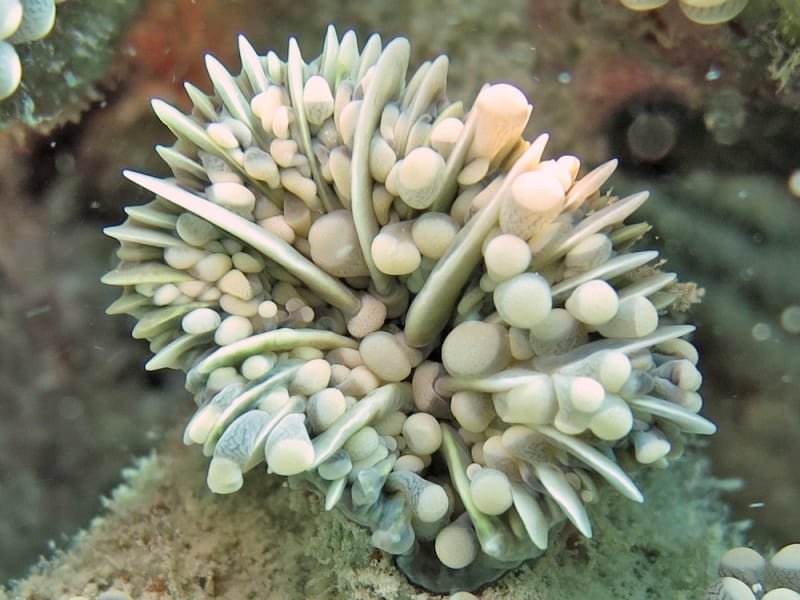
Grape Coral (Euphyllia Cristata)
The Grape Coral (Euphyllia cristata) is an LPS coral in the Euphylliidae family, found in shallow reef habitats across the Indo-West Pacific. Its short, densely packed tentacles swell into tight, grape-like clusters, giving it a more compact and tidy form than its relatives, hammer and torch coral. While its range is broad, the species is not especially abundant and can be hard to track down even at its source, making it something of a connoisseur's pick. Its soft coloring and plump tentacle texture bring a gentle, textured presence to a reef tank, rewarding close observation. Care is generally considered intermediate-level, so it suits keepers who already have a handle on basic water quality management.
View Grape Coral (Euphyllia Cristata) encyclopedia →0% commission on your first sales!Register by September 30, 2026 and your first 2 sales are commission-free!
Breeder Wanted!
List on BreederDirect and sell directly to customers nationwide!
Br-Choku's 6 Transparency Standards
Our Breeder sellers disclose detailed care specs for all Coral listings. We prioritize Aquacultured/CB specimens, verify WYSIWYG photos, and provide difficulty ratings—avoiding wild-caught.
- Aquacultured
- WYSIWYG Photo
- Difficulty Disclosed
- Frag/Colony
- Care Info Included
- Trade name shown
Browse all 210 breeds
Difficulty
No listings match your filters
Adjust your filters, or get notified when new listings arrive.
Getting alerts is free with a member account. When new listings match your saved search, we'll notify you by email and in-app.
Browse other categories
Verified breeders (preview)
Grape Coral (Euphyllia Cristata) key facts
- Care level
- Intermediate
- Temperature
- 24〜27℃
- Diet
- Photosynthesis via zooxanthellae plus zooplankton feeding
- Lighting
- Moderate LED lighting; avoid excessive intensity, which causes bleaching of colour.
- Flow & Placement
- Low to moderate flow so the tentacles sway gently; direct jets damage them.
- Water Temperature & Quality
- Keep 24-27 C with KH 7-12 and calcium 400-450 ppm, held stable.
- Feeding
- Besides its zooxanthellae, weekly or twice-weekly zooplankton or pellet feeding improves growth and colour.
- Notes
- Sweeper tentacles sting neighbours, so leave ample space. As a scleractinian it is CITES Appendix II. The trade name grape coral is also applied to corals of other genera such as Plerogyra, so it does not identify the species on its own; check for the scientific name Euphyllia cristata.
About Grape Coral (Euphyllia Cristata)
A guide to the Grape Coral (Euphyllia cristata), an Indo-Pacific LPS coral: its key features, care essentials, and what to know before adding one to your reef tank.
7 things to know before welcoming a Grape Coral (Euphyllia Cristata)
1Grape-like clustered tentacles
Its defining feature is the short, densely packed tube tentacles that puff up into grape-like clusters. The look changes noticeably depending on how far the polyps extend, giving keepers plenty to observe day to day.
2Keep distance from other corals
Euphyllia tentacles can irritate neighboring corals within reach, so leave generous spacing when placing it in the tank. Plan the layout based on the tentacles' fully extended reach, not their resting size.
3Prefers gentle water flow
Constant strong flow can keep the polyps retracted, so aim for gentle, indirect water movement instead. After placement, adjust pump direction and strength while watching how the coral responds.
4Avoid overly intense lighting
Overly intense lighting can cause the polyps to shrink or lose color, so start with moderate light levels and adjust from there. Pay extra attention to lighting changes right after introducing it to the tank.
5Stable water parameters matter
As a skeleton-building coral, keeping calcium, alkalinity, and related parameters stable is fundamental to its health. Sudden shifts in water chemistry can stress the coral, so regular testing is worthwhile.
6Quarantine after arrival
When introducing a new specimen, a quarantine period with careful observation helps avoid affecting other tank inhabitants. Also allow time for it to recover from the stress of transport.
7Scarce even in its native range
Although its range is wide, the species isn't especially numerous and can be hard to find even where it naturally occurs. If you come across one, it's worth enjoying the individual variation in color and shape.
Frequently asked questions about Grape Coral (Euphyllia Cristata)
- Q.How difficult is the Grape Coral to keep?
- A.It's generally considered an intermediate-level coral. It's best approached once you're already comfortable managing water quality and lighting.
- Q.Can it be kept alongside other corals?
- A.Its tentacles can irritate nearby corals, so it's best placed with generous spacing from neighbors. Plan the layout with the tentacles' fully extended reach in mind.
- Q.What water flow and lighting suit it best?
- A.It tends not to do well under strong flow or overly intense light, favoring gentle flow and moderate lighting instead. Fine-tune both after placement based on how it responds.
- Q.Where does the name "Grape Coral" come from?
- A.The name comes from its tentacles, which swell into grape-like clusters. Its scientific name is Euphyllia cristata.
- Q.Are there any legal regulations on this species?
- A.Grape Coral (Euphyllia Cristata) is listed in CITES Appendix II. International trade requires a permit from the exporting country, but as far as CITES is concerned, no registration is needed to buy or sell individuals already legally in Japan.
Useful tools for Grape Coral (Euphyllia Cristata) care
Learn more about Grape Coral (Euphyllia Cristata) in the encyclopedia
View Grape Coral (Euphyllia Cristata) encyclopedia entry →
Care difficulty, lifespan, size and diet — all basics covered.
More in this category
Can't find the one you're looking for?
Post your wishes for free and breeders with matching animals will contact you with introductions.