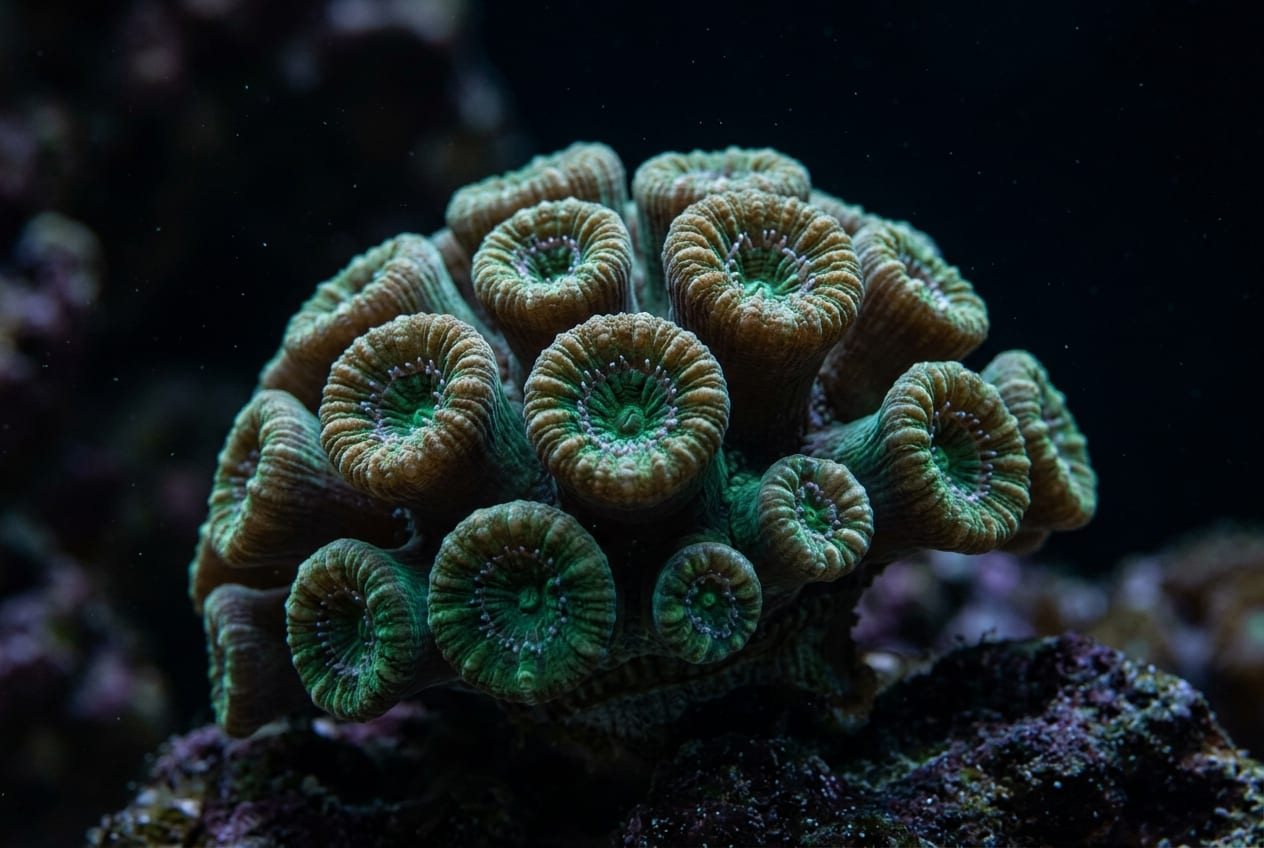
Caulastrea Curvata
Caulastrea Curvata is a stony coral that forms colonies of tube-like stalks topped with round, plump polyps. Known as a member of the candy cane coral group, its species name refers to the gentle curve of its stalks. It is frequently recorded from waters around Australia and New Caledonia. When the polyps expand, they give the colony a soft, rounded appearance that adds a distinctive presence to a tank. Considered beginner-friendly, it's a popular starting point for those new to keeping corals.
View Caulastrea Curvata encyclopedia →0% commission on your first sales!Register by September 30, 2026 and your first 2 sales are commission-free!
Breeder Wanted!
List on BreederDirect and sell directly to customers nationwide!
Br-Choku's 6 Transparency Standards
Our Breeder sellers disclose detailed care specs for all Coral listings. We prioritize Aquacultured/CB specimens, verify WYSIWYG photos, and provide difficulty ratings—avoiding wild-caught.
- Aquacultured
- WYSIWYG Photo
- Difficulty Disclosed
- Frag/Colony
- Care Info Included
- Trade name shown
Browse all 210 breeds
Difficulty
No listings match your filters
Adjust your filters, or get notified when new listings arrive.
Getting alerts is free with a member account. When new listings match your saved search, we'll notify you by email and in-app.
Browse other categories
Verified breeders (preview)
Caulastrea Curvata key facts
- Care level
- Beginner-friendly
- Size
- Colonies to around 10-20 cm across
- Temperature
- 24〜26℃
- Diet
- Mainly nutrition from symbiotic zooxanthellae, supplemented with meaty coral foods offered at night.
- Lighting
- LiveAquaria gives moderate lighting for candy cane corals of this form. Reduce the light at first and raise it to the target position over several weeks.
- Flow & Placement
- Medium flow, randomised so detritus does not collect between the stalks. Placement from the sand bed to mid-height is fine.
- Water Temperature & Quality
- Water 24-26C, specific gravity 1.023-1.025, salinity 33-35 ppt, KH 8-12. It consumes calcium and magnesium, so test and replenish them regularly.
- Feeding
- Most of its nutrition comes from its zooxanthellae. It extends its tentacles at night, so small amounts of meaty coral food after lights-out encourage new stalks.
- Notes
- Two genus names are in circulation: Astraeosmilia, which WoRMS accepts, and Caulastrea, which the trade still uses. As a scleractinian it is on CITES Appendix II and international trade requires permits.
About Caulastrea Curvata
Caulastrea Curvata is a colonial stony coral with round polyps atop curved, tube-like stalks. A candy cane coral relative, it's beginner-friendly and grows to a colony diameter of roughly 10-20 cm.
7 things to know before welcoming a Caulastrea Curvata
1Lighting: Moderate Is Fine
Caulastrea Curvata is a large-polyp stony (LPS) coral that doesn't do well under overly intense lighting. Moderate light levels are usually enough for the polyps to fully extend, making it easy to fit into a mixed-reef lighting setup.
2Prefers Gentle Water Flow
Strong water flow can prevent the polyps from opening fully, so this coral prefers gentle, stable flow. Choose a placement where flow isn't hitting it directly.
3Calcium Levels Matter
As a stony coral that builds a calcium-carbonate skeleton, it needs stable calcium, alkalinity, and magnesium levels to grow well. Regular water testing helps keep these parameters in range.
4Colonies Grow by Budding
New heads bud off from the base of existing stalks, gradually expanding the colony. Since it needs room to spread sideways as it grows, plan for extra space when placing it in your layout.
5Give Neighbors Space
While generally considered mild-mannered, it can sting or irritate neighboring corals through contact or sweeper tentacles. Leave adequate spacing around it to avoid conflicts.
6Polyps May Respond to Feeding
When its polyps are extended, it may respond to feedings of small zooplankton-type foods. Feeding isn't strictly necessary and can be adjusted based on your tank's conditions.
7Check Condition on Arrival
When bringing one home, check that the polyps extend well and that the tissue shows no bleaching or discoloration. It's normal for polyps to stay closed for a few days after the stress of transport before settling in.
Frequently asked questions about Caulastrea Curvata
- Q.Is this coral suitable for beginners?
- A.Yes, Caulastrea Curvata is considered a beginner-friendly coral. Its lighting and flow requirements are relatively moderate, making it a popular entry point into coral keeping.
- Q.How large does it grow?
- A.Colonies typically reach a diameter of roughly 10 to 20 centimeters. New heads bud from the base of existing stalks, causing the colony to spread outward over time.
- Q.Is it regulated under CITES?
- A.Caulastrea Curvata is listed in CITES Appendix II. International trade requires a permit from the exporting country, but as far as CITES is concerned, no registration is needed to buy or sell individuals already legally in Japan.
- Q.Can it be kept with other corals?
- A.It's generally considered mild-mannered, but contact or sweeper tentacles from neighboring corals can still cause irritation. Leave enough space around it when placing it in your tank.
- Q.What kind of lighting does it need?
- A.As a large-polyp stony coral, it can fully extend its polyps under moderate lighting without needing very intense light. This makes it easy to incorporate into a mixed lighting setup.
Useful tools for Caulastrea Curvata care
Learn more about Caulastrea Curvata in the encyclopedia
View Caulastrea Curvata encyclopedia entry →
Care difficulty, lifespan, size and diet — all basics covered.
More in this category
Can't find the one you're looking for?
Post your wishes for free and breeders with matching animals will contact you with introductions.