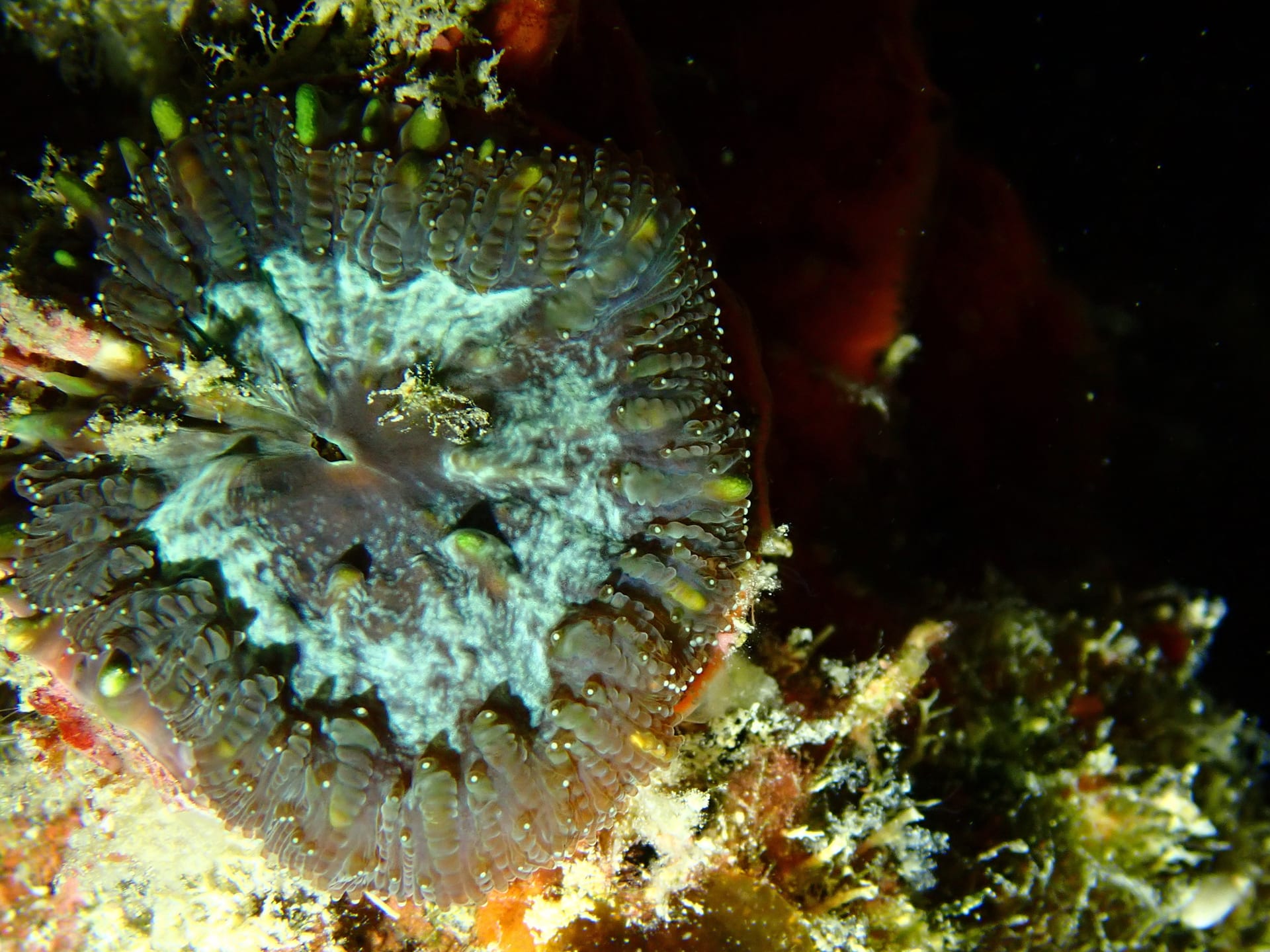
 © Debra Baker / CC BY 4.0
Blastomussa Vivida
Blastomussa Vivida — known in Japanese as Otabasango — is a stony coral in the genus Blastomussa, first described as a new species in 2014. It grows as a colony whose corallites extend from a shared base and gradually separate from one another as the colony matures, giving each specimen a distinctive, evolving look. Its vivid red and green coloration is a major draw, and how those colors read can shift depending on lighting. Most recorded specimens come from Japan, making it a familiar sight among Japanese reef keepers. It suits intermediate-level aquarists, rewarding their experience with a striking presence in the tank.
View Blastomussa Vivida encyclopedia →0% commission on your first sales!Register by September 30, 2026 and your first 2 sales are commission-free!
Breeder Wanted!
List on BreederDirect and sell directly to customers nationwide!
Br-Choku's 6 Transparency Standards
Our Breeder sellers disclose detailed care specs for all Coral listings. We prioritize Aquacultured/CB specimens, verify WYSIWYG photos, and provide difficulty ratings—avoiding wild-caught.
- Aquacultured
- WYSIWYG Photo
- Difficulty Disclosed
- Frag/Colony
- Care Info Included
- Trade name shown
Browse all 210 breeds
Difficulty
No listings match your filters
Adjust your filters, or get notified when new listings arrive.
Getting alerts is free with a member account. When new listings match your saved search, we'll notify you by email and in-app.
Browse other categories
Verified breeders (preview)
Blastomussa Vivida key facts
- Care level
- Intermediate
- Size
- Colonies to around 10-20 cm across
- Temperature
- 24〜26℃
- Diet
- Mainly nutrition from symbiotic zooxanthellae, supplemented with meaty coral foods offered at night.
- Lighting
- LiveAquaria gives moderate lighting for Blastomussa. Strong light makes the tissue contract and the colour fade, so place it low down where the light is gentle.
- Flow & Placement
- LiveAquaria calls for low flow and bottom placement. A direct stream damages the inflated tissue, so keep the flow indirect and gentle.
- Water Temperature & Quality
- Water 24-26C, specific gravity 1.023-1.025, salinity 33-35 ppt, KH 8-12. It consumes calcium and magnesium, so test and replenish them regularly.
- Feeding
- Most of its nutrition comes from its zooxanthellae. It extends its tentacles at night, so small amounts of meaty coral food after lights-out encourage new corallites.
- Notes
- The species was only described in 2014 and is often traded without being separated from B. merleti or B. wellsi. As a scleractinian it is on CITES Appendix II and international trade requires permits.
About Blastomussa Vivida
Blastomussa Vivida is a stony coral prized for its vivid red and green coloration, forming a colony whose corallites gradually separate as it matures — an intermediate-level species growing to a colony diameter of over ten centimeters.
7 things to know before welcoming a Blastomussa Vivida
1A Distinctive Growth Pattern
Blastomussa Vivida grows with corallites extending from a shared base, gradually separating from one another as the colony matures. Even within a single colony, different areas can take on distinct looks over time.
2Suited to Intermediate Keepers
This species is considered suitable for intermediate-level keepers who are already comfortable with basic reef tank water quality management. If you're new to coral keeping, it's a good idea to build experience with hardier species first.
3Vivid Red and Green Coloration
Its biggest draw is vivid red and green coloration, which varies from specimen to specimen. How the colors appear can shift depending on the type and angle of lighting, so it's worth observing and adjusting after placement.
4Colonies Reach Over 10 cm
Mature colonies can grow to a diameter of over ten centimeters. Leaving extra space around the coral as it grows can reduce the need for layout changes later on.
5Give It Space From Neighbors
Corals of various species can interfere with one another when placed too close together. When positioning Blastomussa Vivida, it's wise to leave enough distance from surrounding livestock.
6Feeding Can Support Color and Growth
Beyond photosynthesis, target feeding is thought to help support growth and coloration. Whether and how often to feed depends on your specific setup, so it helps to observe and adjust as you go.
7Stabilize Conditions Before Adding It
It's important to have stable water quality and lighting in place before bringing this coral home. It tends to be especially sensitive right after introduction, so watch its condition and water parameters closely during that period.
Frequently asked questions about Blastomussa Vivida
- Q.Is this coral suitable for beginners?
- A.Blastomussa Vivida is generally considered suitable for intermediate-level keepers. It's recommended to be comfortable with basic reef tank water quality management before bringing one home.
- Q.How large does it grow?
- A.Mature colonies reach a diameter of over ten centimeters. It helps to leave extra space around it as it grows.
- Q.Why does its coloration vary so much?
- A.Individual specimens show differences in red and green coloration. Even within the same specimen, how the colors appear can change depending on the lighting.
- Q.Is it regulated under CITES?
- A.Blastomussa Vivida is listed in CITES Appendix II. International trade requires a permit from the exporting country, but as far as CITES is concerned, no registration is needed to buy or sell individuals already legally in Japan.
- Q.Can it be kept alongside other livestock?
- A.Compatibility depends on the specific animals and tank environment. It's especially important to leave enough distance from neighboring corals to avoid interference.
Useful tools for Blastomussa Vivida care
Learn more about Blastomussa Vivida in the encyclopedia
View Blastomussa Vivida encyclopedia entry →
Care difficulty, lifespan, size and diet — all basics covered.
More in this category
Can't find the one you're looking for?
Post your wishes for free and breeders with matching animals will contact you with introductions.