 © Diego Delso / CC BY-SA 4.0
Palythoa Tuberculosa
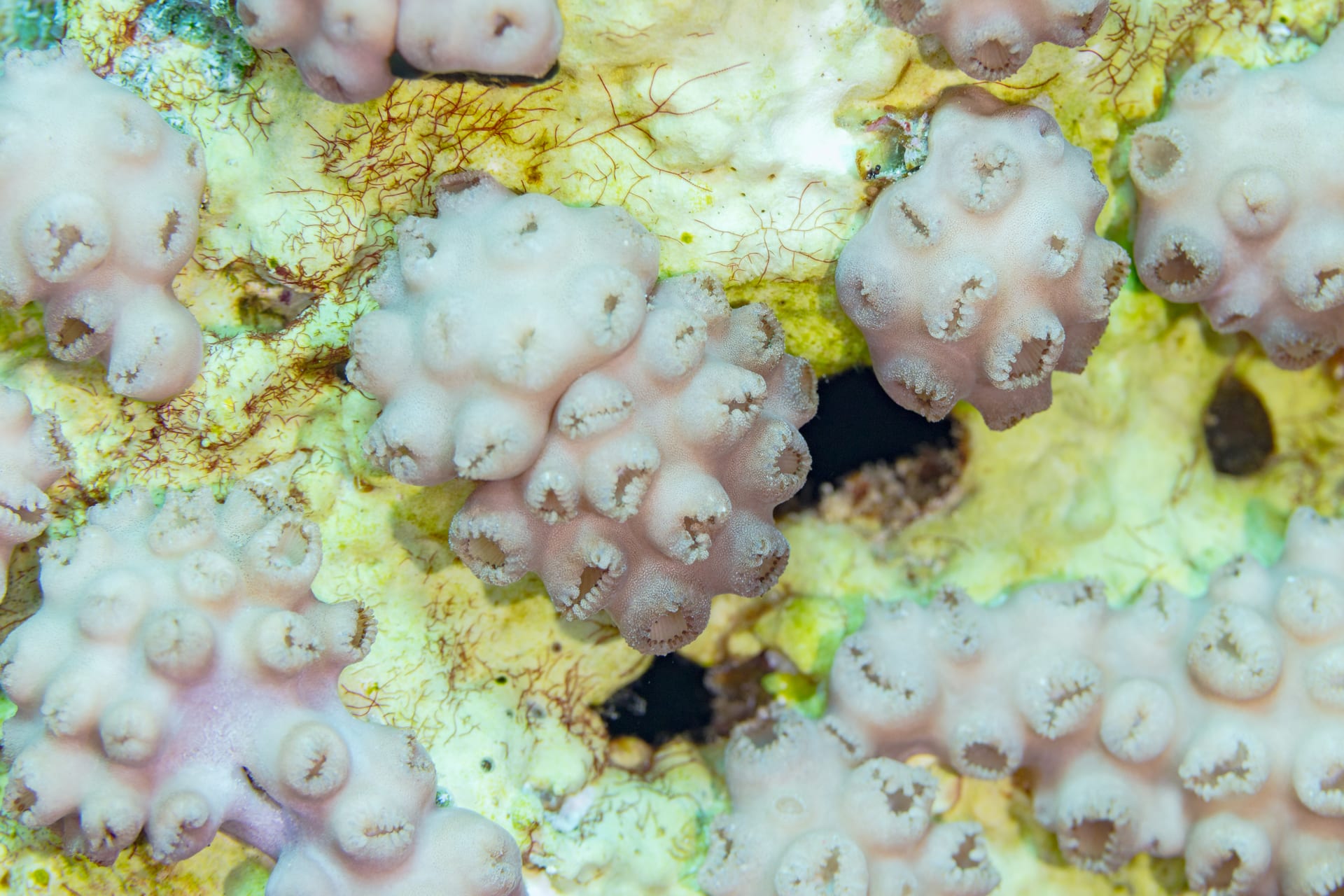
Palythoa Tuberculosa is a zoanthid relative that builds thick, mat-like colonies over rock, incorporating large amounts of sand into its coenenchyme. Its polyps are deeply embedded in this tissue, so only their oral discs show at the surface, giving the colony a distinctive encrusted look. It's considered beginner-friendly, and part of the appeal is watching the colony slowly spread across the rockwork over time. That said, this species is known to contain palytoxin, so it should always be handled with care.
View Palythoa Tuberculosa encyclopedia →0% commission on your first sales!Register by September 30, 2026 and your first 2 sales are commission-free!
Breeder Wanted!
List on BreederDirect and sell directly to customers nationwide!
Br-Choku's 6 Transparency Standards
Our Breeder sellers disclose detailed care specs for all Coral listings. We prioritize Aquacultured/CB specimens, verify WYSIWYG photos, and provide difficulty ratings—avoiding wild-caught.
- Aquacultured
- WYSIWYG Photo
- Difficulty Disclosed
- Frag/Colony
- Care Info Included
- Trade name shown
Browse all 210 breeds
Difficulty
No listings match your filters
Adjust your filters, or get notified when new listings arrive.
Getting alerts is free with a member account. When new listings match your saved search, we'll notify you by email and in-app.
Browse other categories
Verified breeders (preview)
Palythoa Tuberculosa key facts
- Care level
- Beginner-friendly
- Size
- Polyps 1-2cm across
- Temperature
- 24〜27℃
- Diet
- Mainly nutrition from symbiotic zooxanthellae, supplemented with liquid or powdered coral foods.
- Lighting
- Stable under moderate lighting. It grows into the intertidal zone and tolerates bright light, but it is hardy enough to hold across a wide range of intensities.
- Flow & Placement
- Give moderate randomised flow and place it at mid-height on the rockwork. It sheets thickly over rock, so in a reef tank keep it on an isolated rock to limit its spread.
- Water Temperature & Quality
- Water 24-27C, specific gravity 1.023-1.025 (33-35 ppt), KH 8-12. Colour and spread are steadier with a trace of nutrients present than in ultra-low-nutrient water.
- Feeding
- Most of its nutrition comes from photosynthesis. Liquid or powdered coral foods may be offered as a supplement, but it can be maintained without feeding.
- Notes
- This species is known to carry palytoxin, and poisonings have been reported from fragging it and from heat-treating colonised rock. Do not frag it bare-handed and never use boiling water or a pressure washer; wear gloves and eye protection. It is not listed in the CITES Appendices.
About Palythoa Tuberculosa
Palythoa Tuberculosa forms sand-flecked, encrusting colonies with only the oral discs visible. Hardy and beginner-friendly, but known to contain palytoxin, so handle with care.
7 things to know before welcoming a Palythoa Tuberculosa
1Encrusting Colony Growth
It grows by incorporating large amounts of sand into its coenenchyme and thickly encrusting rock, forming a mat-like colony. Because the polyps are deeply embedded in this tissue, only rows of oral discs are visible at the surface.
2Palytoxin Caution
This species is known to contain palytoxin. Avoid direct bare-hand contact and keep it away from cuts or mucous membranes, handling it with care at all times.
3Beginner-Friendly and Hardy
It's rated as beginner-friendly and tends to tolerate fluctuations in water quality reasonably well. With consistent basic water quality management, it's a species that's easy to keep without major issues.
4Deeply Embedded Polyps
Because its polyps sit deep within the coenenchyme, only the oral discs line the surface, giving it a distinctive appearance. It may close its oral discs when disturbed, which is a normal response.
5Lighting and Flow Placement
Since it spreads across rock as it grows, a spot with moderate light and water flow suits it well. Adjust placement while observing the colony, so overly strong flow doesn't peel back the tissue.
6Slow, Steady Spread
The colony gradually spreads across rock over time, covering it little by little. Growth speed varies with tank conditions, so it's best watched patiently over the long term.
7Before You Bring One Home
Given that this species contains palytoxin, it's reassuring to have handling gloves ready before bringing one home. It's also worth checking beforehand how it will fit with the rock or live rock you plan to place it on.
Frequently asked questions about Palythoa Tuberculosa
- Q.What is palytoxin, and is it dangerous?
- A.Palytoxin is a substance found in some cnidarians, including this species. Avoid bare-hand contact or accidental ingestion, and use gloves when handling it, taking care at all times.
- Q.Can beginners keep this species?
- A.Yes, it's rated as beginner-friendly and is a relatively hardy species. With consistent basic water quality management, it should be easy to keep without major trouble.
- Q.How large does it grow?
- A.Individual polyps are about 1-2cm across. The colony itself grows by slowly spreading across the rock over time.
- Q.What does it look like?
- A.It forms thick, mat-like colonies over rock, incorporating large amounts of sand into its tissue. The polyps are deeply embedded, so only rows of oral discs are visible at the surface.
- Q.What should I check before adding it to my tank?
- A.Since this species contains palytoxin, it helps to prepare safety measures like handling gloves in advance. It's also worth checking how it will suit the rock or live rock you plan to place it on.
Useful tools for Palythoa Tuberculosa care
Learn more about Palythoa Tuberculosa in the encyclopedia
View Palythoa Tuberculosa encyclopedia entry →
Care difficulty, lifespan, size and diet — all basics covered.
More in this category
Can't find the one you're looking for?
Post your wishes for free and breeders with matching animals will contact you with introductions.