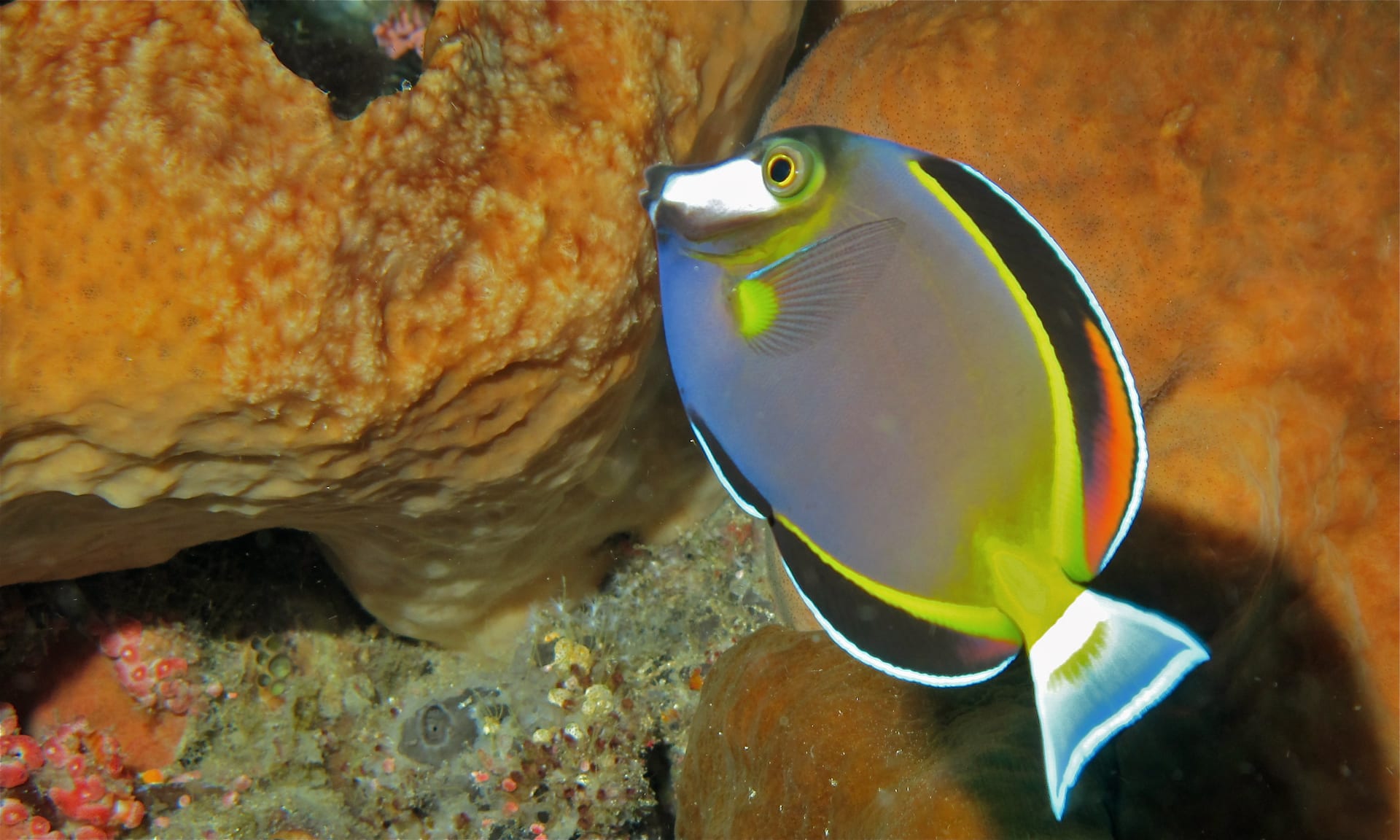
 © Bernard DUPONT / CC BY-SA 2.0
Japan surgeonfish
The Japan surgeonfish, known in Japan as Namida-kurohagi, is a surgeonfish from the western Pacific. Its body is a calm brown, with a white band running from below the eye to the upper lip that gives the face a tear-streaked look. A reddish band on the soft dorsal fin and a yellow tail base add subtle color. It is a reef-safe algae eater, so it is a natural candidate for coral tanks. Like other surgeonfishes, it carries a sharp spine at the base of the tail, so handle it with care. It grows to a maximum of 23 cm in total length and is rated for intermediate keepers, so give it a roomy tank and some experience with water quality.
View Japan surgeonfish encyclopedia →Breeder Wanted!
List on BreederDirect and sell directly to customers nationwide!
BreederDirect's 6 Transparency Commitments
Every Marine Fish listing shows Breeder's full disclosure. No wild-caught. Captive-bred priority, tank size guidance, temperament details—transparent aquaculture.
- Captive-bred
- WYSIWYG
- Reef-safe
- Care Info Included
- Origin Disclosed
- Temperament Listed
Browse all 215 breeds
Care Difficulty
Reef-safe
Temperament
Verified breeders wanted for Marine Fish
Breeders are signing up now ahead of launch. Subscribe to be notified when new listings go live.
Getting alerts is free with a member account. When new listings match your saved search, we'll notify you by email and in-app.
Browse other categories
Verified breeders (preview)
Are you raising marine fish?
Register as a breeder and connect with buyers directly.
Apply as a breederJapan surgeonfish key facts
- Care level
- Intermediate
- Lifespan
- Few reliable data
- Size
- Up to 23 cm TL (FishBase)
- Temperature
- 24〜28℃
- Diet
- Herbivore (marine algae, algae-based prepared foods)
- Water Temperature & Quality
- 24-28°C (FishBase). It prefers well-oxygenated, stable water.
- Aquarium
- An active swimmer that needs a large tank with plenty of open space, plus rockwork for shelter at night.
- Tank Mates & Compatibility
- It may fight other Acanthurus or similar-shaped fish; if keeping several tangs, provide ample space and add them together.
- Reef Compatibility
- An algae-eating herbivore that leaves corals and invertebrates alone; considered reef-safe.
- Diet & Feeding
- Base the diet on algae-rich prepared foods and dried seaweed, fed often, as it loses condition when underfed.
- Health & Cautions
- It has sharp scalpels at the tail base that can cut hands during handling. Collecting in Japanese waters must follow prefectural fisheries regulations.
About Japan surgeonfish
The Japan surgeonfish is a western Pacific surgeonfish with a brown body and a white band from eye to upper lip. A reef-safe algae eater, it grows to 23 cm and suits intermediate keepers.
7 things to know before welcoming a Japan surgeonfish
1Reef-safe algae eater
The Japan surgeonfish is regarded as a reef-safe grazer that feeds on algae, which makes it a candidate for coral tanks. You may see it picking at algae growing in the aquarium. Don't choose it only as an algae cleaner; the fish itself needs a properly prepared environment.
2Grows up to 23 cm
Adults reach a maximum total length of 23 cm (FishBase), so don't size the tank based on a juvenile. A tank with good width works best, leaving open swimming space while still providing rockwork for hiding.
3A plant-based diet
Its natural diet is algae, so offer dried seaweed and plant-based foods. Don't rely only on the algae growing in the tank. Feeding small amounts often while watching how well it eats helps keep it steady.
4Surgeonfish tank mates
It can get into territorial disputes with other surgeonfishes or fish of a similar body shape. If you are adding it to a tank that already holds a tang, check the tank size and hiding places first, and introduce it carefully while watching how the fish behave.
5White spot and quarantine
Surgeonfishes are considered prone to white spot disease. Quarantine a new fish in a separate tank, keep temperature and water quality stable, and watch the skin for early changes. If worrying symptoms persist, ask a specialist shop or an experienced fishkeeper.
6The tail spine
Surgeonfishes have a sharp spine at the base of the tail. It can snag in a net or cut your hand, so use a bag or container when moving the fish and handle it carefully.
7Intermediate difficulty
This species is rated for intermediate keepers. It is safest to consider it once you have a tank with stable water quality and are ready to care for an algae-eating surgeonfish. Little is documented about its lifespan, so plan on keeping it for the long term.
Frequently asked questions about Japan surgeonfish
- Q.Is it safe to keep in a coral tank?
- A.It is regarded as a reef-safe surgeonfish and is often considered for coral tanks. Individual fish and tank conditions can vary, so watch how it behaves with corals and other tank mates after introduction.
- Q.What does the Japan surgeonfish eat?
- A.It is an algae eater, so dried seaweed and plant-based foods should make up most of its diet. Algae in the tank may not be enough, so feed according to how much it eats.
- Q.How large does it grow?
- A.Adults reach a maximum total length of 23 cm (FishBase). Plan your tank size on the assumption that it will grow larger than it is when you bring it home.
- Q.Can a beginner keep it?
- A.It is rated for intermediate keepers. We suggest considering it after you are comfortable with saltwater water-quality management and quarantining new arrivals.
- Q.How long does it live?
- A.Little is documented about its lifespan, so there is no reliable figure. Keep up good water quality and feeding, and plan to care for it over the long term.
Useful tools for Japan surgeonfish care
Learn more about Japan surgeonfish in the encyclopedia
View Japan surgeonfish encyclopedia entry →
Care difficulty, lifespan, size and diet — all basics covered.
More in this category
Can't find the one you're looking for?
Post your wishes for free and breeders with matching animals will contact you with introductions.