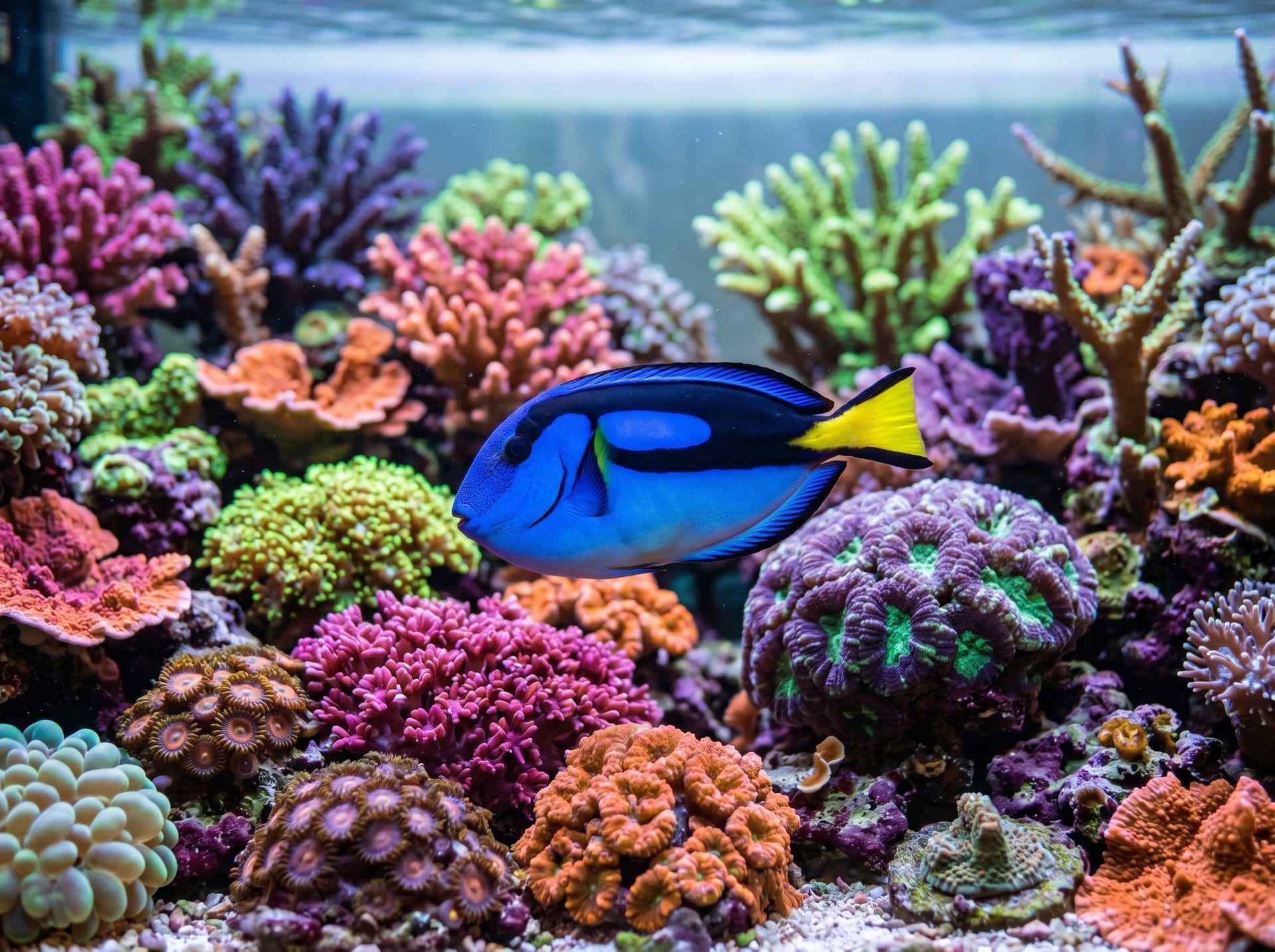
Tang / Surgeonfish
Tangs and surgeonfish are vibrant, active marine fish that bring energy and color to any reef aquarium. Named for the sharp, scalpel-like spine near their tail, they require careful handling. Many species are relatively hardy and popular with beginners, though their eventual size means a spacious tank is essential.
0% commission on your first sales!Register by September 30, 2026 and your first 2 sales are commission-free!
Breeder Wanted!
List on BreederDirect and sell directly to customers nationwide!
BreederDirect's 6 Transparency Promises
Every Marine Fish & Coral listing shows Breeder's full disclosure. No wild-caught. Captive-bred priority, tank size guidance, temperament details—transparent aquaculture.
- Captive-bred
- WYSIWYG
- Reef-safe
- Care Info Included
- Origin Disclosed
- Temperament Listed
Browse all 42 breeds
Care Difficulty
Reef-safe
Temperament
Verified breeders wanted for Marine Fish & Coral
Breeders are signing up now ahead of launch. Subscribe to be notified when new listings go live.
Getting alerts is free with a member account. When new listings match your saved search, we'll notify you by email and in-app.
Browse other categories
Verified breeders (preview)
Are you raising marine fish & coral?
Register as a breeder and connect with buyers directly.
Apply as a breederAbout Tang / Surgeonfish
Tangs and surgeonfish belong to the family Acanthuridae and are found throughout coral reefs of the Indo-Pacific region. With over 100 known species — including the Blue Tang, Rainbow Tang, and Unicornfish — they bring vivid blues, yellows, and striped patterns to the aquarium. Their most distinctive feature is the scalpel-like spine on the caudal peduncle, used for defense and territorial disputes. As devoted herbivores, they graze continuously on reef algae, playing a vital role in maintaining ecosystem balance. Curious and quick to recognize their keepers, they can nonetheless be highly territorial, particularly toward related species. With an appropriately sized tank and stable water parameters, tangs reward dedicated hobbyists with dynamic movement and stunning color for many years.
7 things to know before welcoming a Tang / Surgeonfish
1Tank Size Matters
Many tangs grow to 20–30 cm and require a minimum of 150 liters, ideally over 200 liters. Insufficient swimming space can cause stress, weakened immunity, and color loss over time.
2Beware the Tail Spine
Tangs have a sharp, scalpel-like spine on the caudal peduncle that can be deployed when threatened or agitated. Avoid placing bare hands near the fish during netting or tank maintenance to prevent injury.
3Same-Species Aggression
Tangs of the same or similar species often become territorial, especially in smaller tanks. If keeping multiple tangs, provide ample space, hiding spots, and ideally introduce them simultaneously to reduce aggression.
4Herbivore Diet Needs
Tangs are primarily herbivores and thrive on a diet rich in algae, including dried nori, spirulina-based pellets, and marine greens. Relying solely on meaty foods leads to nutritional deficiencies, faded coloration, and increased disease susceptibility.
5Prone to White Spot
Tangs are notoriously susceptible to marine ich (Cryptocaryon irritans). A mandatory quarantine period of at least two weeks in a separate treatment tank is strongly recommended before introducing any new fish to your display tank.
6Water Quality and Flow
Tangs prefer well-oxygenated water with strong circulation, mimicking their natural reef environment. A high-capacity protein skimmer and circulation pumps are essential to maintain low nitrates and support long-term health.
7Estimated Setup Costs
Common species like blue tangs and yellow tangs typically range from a few thousand to around 10,000 yen, while rare or large species can cost significantly more. Full equipment setup, including tank, skimmer, and circulation pumps, can easily exceed 100,000 yen in initial investment.
Frequently asked questions about Tang / Surgeonfish
- Q.Are tangs suitable for beginner saltwater hobbyists?
- A.Some species like the Blue Tang are relatively hardy, but tangs are prone to parasites and require stable water quality. It is advisable to gain some experience with marine fish keeping before attempting tangs. Starting with hardier species can help build the necessary skills.
- Q.What minimum tank size do tangs need?
- A.Smaller species generally need at least 200–300 liters, while larger species benefit from 500 liters or more. Providing ample swimming space is one of the most important factors for keeping tangs healthy long-term.
- Q.Can multiple tangs be kept together?
- A.Tangs from different genera with distinct body shapes tend to coexist more peacefully. Keeping the same or closely related species together often leads to territorial conflict. A large tank with ample hiding spots and careful introduction order can reduce aggression.
- Q.Can the caudal spine cause injury to handlers?
- A.Yes, tangs can extend and slash with their caudal spine when stressed or excited, potentially cutting hands or arms. Avoid bare-hand handling and use a deep container or plastic tools when catching or moving them for safety.
Useful tools for Tang / Surgeonfish care
Tang / Surgeonfish related articles
Moray Eel Tankmate Compatibility Guide | Fish You Can Keep Together, Species to Avoid, and Risk Management Practices
A comprehensive guide to tankmate compatibility between striking moray eels suitable for saltwater aquariums and other fish species. Covers breed-specific compatibility (Snowflake Moray, Spotted Moray, etc.), concrete examples of mid to large fish that can coexist (Tangs, Foxface, large wrasses), species to absolutely avoid, and practical risk reduction through feeding management and cave layouts.
Complete Guide to White Spot & Velvet Disease Management for Tangs and Yellow Tangs | Quarantine, Treatment & Prevention
Comprehensive guide to infectious disease management for tangs (Yellow Tangs, Sailfin Tangs, etc.) susceptible to white spot disease (Cryptocaryoniasis) and velvet disease (Oodiniosis). Learn specific procedures for copper treatment, hyposalinity, and temperature management, why tangs are prone to Ich, essential quarantine (QT) processes, and how to maintain immune function through proper tank mate management.
Marine Fish Guide | Characteristics and Care of Popular Species
A curated guide to popular species in marine aquarium keeping, including Ocellaris Clownfish, Palette Surgeonfish, Yellow Tang, and Blue Damselfish. Detailed explanations of each species' characteristics, care difficulty, compatibility with tank mates, and recommended tank sizes.
Powder Blue Tang (Acanthurus leucosternon) Care Guide | Beautiful Blue Coloration and Ich Prevention
Learn how to care for the stunning Powder Blue Tang with its vibrant blue coloration. This guide covers required tank size, water parameters, managing susceptibility to ich disease, feeding strategies, and tankmate compatibility—perfect for beginner to intermediate aquarists.
Saltwater Fish Compatibility Guide: Quick Reference Table by Aggression & Size
A comprehensive guide with a quick reference table organizing saltwater fish compatibility by aggression, size, and diet. Detailed explanations of compatibility and precautions for popular species like Clownfish, Blue Tangs, and Yellow Tangs.
Large Saltwater Fish Care Guide | Characteristics and Management of Napoleon Wrasse, Naso Tang, and Corallia Butterflyfish
A comprehensive guide to caring for large saltwater fish species (60cm and larger), including Napoleon wrasse, Naso tangs, and garden eels. Covers large aquarium tank design, powerful filtration systems, feeding methods, and essential considerations for transport and quarantine. This guide encompasses all the information you need to know before bringing a large fish into your home.
More in this category
Can't find the one you're looking for?
Post your wishes for free and breeders with matching animals will contact you with introductions.