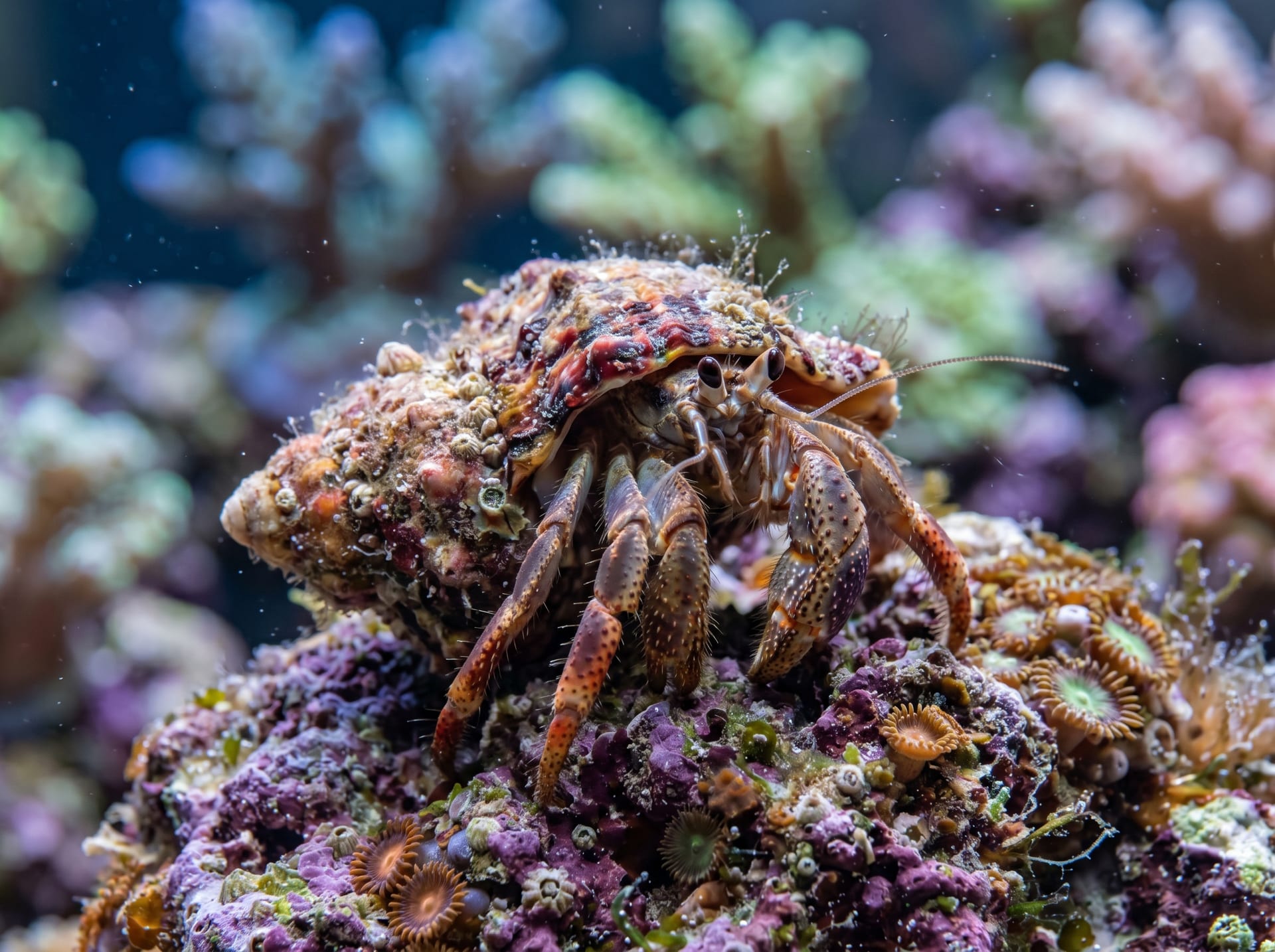
Crab / Hermit Crab

Crab / Hermit Crab

Crabs and hermit crabs are popular cleanup crew members in marine aquariums, helping control algae and consuming leftover food while delighting keepers with their fascinating movements and vibrant colors. Because compatibility with corals and small fish varies by species, it is important to research suitable tankmates before bringing them home.

View Crab / Hermit Crab encyclopedia →
Limited Time Offer

0% commission on your first sales!Register by September 30, 2026 and your first 2 sales are commission-free!

Breeder Wanted!

List on BreederDirect and sell directly to customers nationwide!

Free registrationNo monthly feesCommission on sales only
Register Now for Free

BreederDirect's 6 Transparency Promises

Every Marine Fish & Coral listing shows Breeder's full disclosure. No wild-caught. Captive-bred priority, tank size guidance, temperament details—transparent aquaculture.

  • Captive-bred
  • WYSIWYG
  • Reef-safe
  • Care Info Included
  • Origin Disclosed
  • Temperament Listed

Recommended Tank Size

0 items

Verified breeders wanted for Marine Fish & Coral

Breeders are signing up now ahead of launch. Subscribe to be notified when new listings go live.

Getting alerts is free with a member account. When new listings match your saved search, we'll notify you by email and in-app.

Browse other categories

Verified breeders (preview)

Are you raising marine fish & coral?

Register as a breeder and connect with buyers directly.
Apply as a breeder

Crab / Hermit Crab key facts

Care level
Beginner-friendly
Diet
Omnivorous: leftovers, algae and sinking prepared foods
Housing
They work as a clean-up crew for the substrate and live rock. Hermit crabs move into larger shells as they grow, so keep several empty shells in the tank.
Diet & Feeding
Omnivores that clean up leftovers and algae. Scraps alone are not enough, so supplement with a small amount of sinking food.
Tank Mates & Compatibility
Some crab species will go after small fish or corals. For a reef tank, check the species' habits before choosing.
Health & Cautions
Sensitive to copper-based medications, so keep them out of tanks being treated. Fairly hardy, but proper water quality is still required.

About Crab / Hermit Crab

Crabs and hermit crabs belong to the crustacean family and are found across tropical and subtropical coastlines worldwide, from shallow tidal zones to deeper reef environments. In the aquarium hobby they are prized primarily as cleanup crew members, grazing on algae and consuming leftover food to help maintain biological balance in the tank. Their appearance varies widely by species, ranging from vivid reds and blues to purples, and the sight of hermit crabs carrying and swapping shells offers a uniquely engaging observation experience. Most species are naturally cautious and often nocturnal, spending daytime hours tucked behind rocks, though they become more active and visible as they settle into their environment. Their relatively low price and ease of entry make them an attractive first step into marine keeping, and even a single specimen can meaningfully reduce maintenance. That said, understanding their specific needs—molting care, shell selection, and tankmate compatibility—is the key to long-term success.

7 things to know before welcoming a Crab / Hermit Crab

  1. 1Stable Water Quality Is Essential

    Maintaining a specific gravity of 1.023–1.025, water temperature of 24–26°C, and zero ammonia or nitrite is fundamental. Crabs and hermit crabs are fairly sensitive to water quality changes, and sudden temperature swings or low oxygen levels can quickly affect their health. Regular water changes and consistent filter maintenance are essential.

  2. 2Never Disturb During Molting

    Crabs and hermit crabs molt periodically as they grow. During molting their new shell is extremely soft, and any disturbance can be fatal. The shed exoskeleton is often consumed as a calcium source, so leave it in the tank rather than removing it immediately.

  3. 3Provide Spare Shells for Hermit Crabs

    Hermit crabs regularly move into larger shells as they grow. Without a selection of appropriately sized spare shells in the tank, they may attempt to steal shells from other inhabitants. When using natural shells, boil them first to sanitize before placing them in the aquarium.

  4. 4Check Compatibility With Corals

    Some species nip at coral polyps or knock over live rock, damaging small corals in the process. Choose species known to be reef-safe, such as certain dwarf hermit crabs, or confirm compatibility with your coral selection at the shop. As a general rule, avoid species with a known tendency to feed on corals in reef tanks.

  5. 5Choose Tankmates Carefully

    Crabs are opportunistic omnivores and may prey on slow-moving bottom-dwelling fish or weakened tankmates. Housing them with small shrimp also poses a predation risk. Pairing them with peaceful mid-water fish or keeping a species-only setup simplifies management.

  6. 6Understand Setup and Ongoing Costs

    Setting up a marine aquarium requires specialized equipment such as a protein skimmer, live rock, and a refractometer, making initial costs higher than freshwater setups. While crabs and hermit crabs themselves are relatively affordable, budget for ongoing consumables like synthetic sea salt, additives, and spare shells. Ongoing costs vary significantly depending on tank size.

  7. 7Secure Your Tank Against Escapes

    Crabs and hermit crabs are surprisingly active climbers and can escape by scaling the tank walls, especially at night. A secure, well-fitted lid with no gaps is essential. Exposure to dry air for extended periods carries a high risk of death, making escape prevention a fundamental part of keeping them safely.

Frequently asked questions about Crab / Hermit Crab

Q.Can crabs and hermit crabs be kept in the same tank?
A.Some combinations can coexist, but crabs may attack hermit crabs or steal their shells. Choosing small, peaceful species and providing plenty of hiding spots and spare shells helps reduce conflict.
Q.What should I feed crabs and hermit crabs?
A.They generally feed on algae and leftover food in the tank, but if supplies run low, small amounts of sinking marine flakes or dried seaweed make suitable supplements. Avoid overfeeding, as uneaten food will deteriorate water quality—remove any leftovers promptly.
Q.Should I remove the molted shell from the tank?
A.There is no need to remove it immediately. The shed exoskeleton contains calcium that the animal often eats to replenish minerals. If it remains untouched after a few days, it is fine to remove it then.
Q.Can beginners keep crabs and hermit crabs in a marine tank?
A.Many species are fairly hardy and are considered beginner-friendly cleanup crew members. However, they do require a stable marine setup with proper water quality and consistent salinity. Prior experience with freshwater aquariums provides a helpful foundation.
Q.What tank size is recommended for crabs and hermit crabs?
A.Small hermit crabs can be kept in a 30–45 cm tank, but a 60 cm or larger aquarium is recommended for easier water quality stability. Greater water volume buffers against sudden parameter shifts, making long-term care more manageable.

Useful tools for Crab / Hermit Crab care

💧Aquarium Volume CalculatorCalculate water volume, weight, and heater wattage from tank dimensions🧪Water Quality CheckerFind compatible fish, shrimp, plants & corals based on pH, temperature & hardness🍽️Feeding GuideCheck feeding frequency, portion sizes & supplements by species and growth stage🤝Compatibility CheckerCheck compatibility between two species on a 5-level scale📊Fish Compatibility MatrixCheck fish compatibility at a glance with our matrix chart🔄Nitrogen Cycle GuideAuto-calculate bacteria colonization timeline for new tank cycling🗓️Seasonal Care CalendarMonthly care events and seasonal management tips at a glance🚿Water Change CalculatorAuto-calculate optimal water change frequency and volume by tank size and fish count🐠Stocking CalculatorCalculate max fish capacity for your tank size with overstocking alerts🏞️Tank Layout PlannerGet substrate, plant & hardscape suggestions based on tank size and style🧮Care Cost SimulatorEstimate initial, monthly & annual costs by category, care level and quantity⚖️Species Comparison ToolCompare two species side by side: care difficulty, size, lifespan & temperature🎯Pet Match DiagnosticAnswer 7 questions to find your top 3 perfect pets🚚Transport Safety CheckerCheck transport safety score and precautions by category, season, method and distance⏱️Quarantine & Acclimation TimerManage quarantine periods and acclimation steps with countdown timers. Includes recommended durations by species

Learn more about Crab / Hermit Crab in the encyclopedia

View Crab / Hermit Crab encyclopedia entry →

Care difficulty, lifespan, size and diet — all basics covered.

Crab / Hermit Crab related articles

See more Crab / Hermit Crab articles →

More in this category

Can't find the one you're looking for?

Post your wishes for free and breeders with matching animals will contact you with introductions.