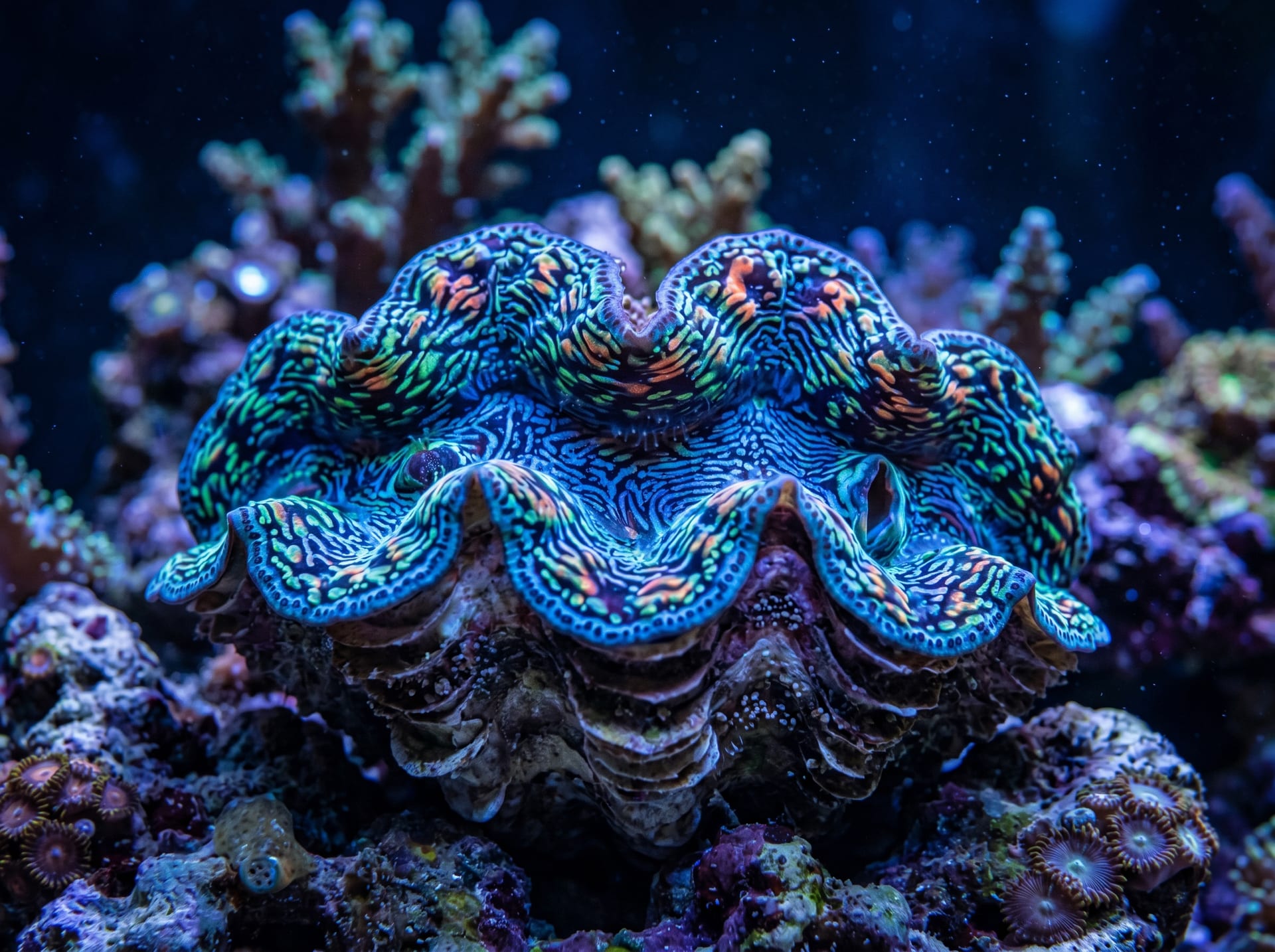
Tridacna Clam
Bivalve with brilliantly colored mantle. Photosynthetic and requires strong lighting. Jewel of the reef tank.
View Tridacna Clam encyclopedia →0% commission on your first sales!Register by September 30, 2026 and your first 2 sales are commission-free!
Breeder Wanted!
List on BreederDirect and sell directly to customers nationwide!
BreederDirect's 6 Transparency Promises
Every Marine Fish & Coral listing shows Breeder's full disclosure. No wild-caught. Captive-bred priority, tank size guidance, temperament details—transparent aquaculture.
- Captive-bred
- WYSIWYG
- Reef-safe
- Care Info Included
- Origin Disclosed
- Temperament Listed
Browse all 42 breeds
Care Difficulty
Reef-safe
Temperament
Verified breeders wanted for Marine Fish & Coral
Breeders are signing up now ahead of launch. Subscribe to be notified when new listings go live.
Getting alerts is free with a member account. When new listings match your saved search, we'll notify you by email and in-app.
Browse other categories
Verified breeders (preview)
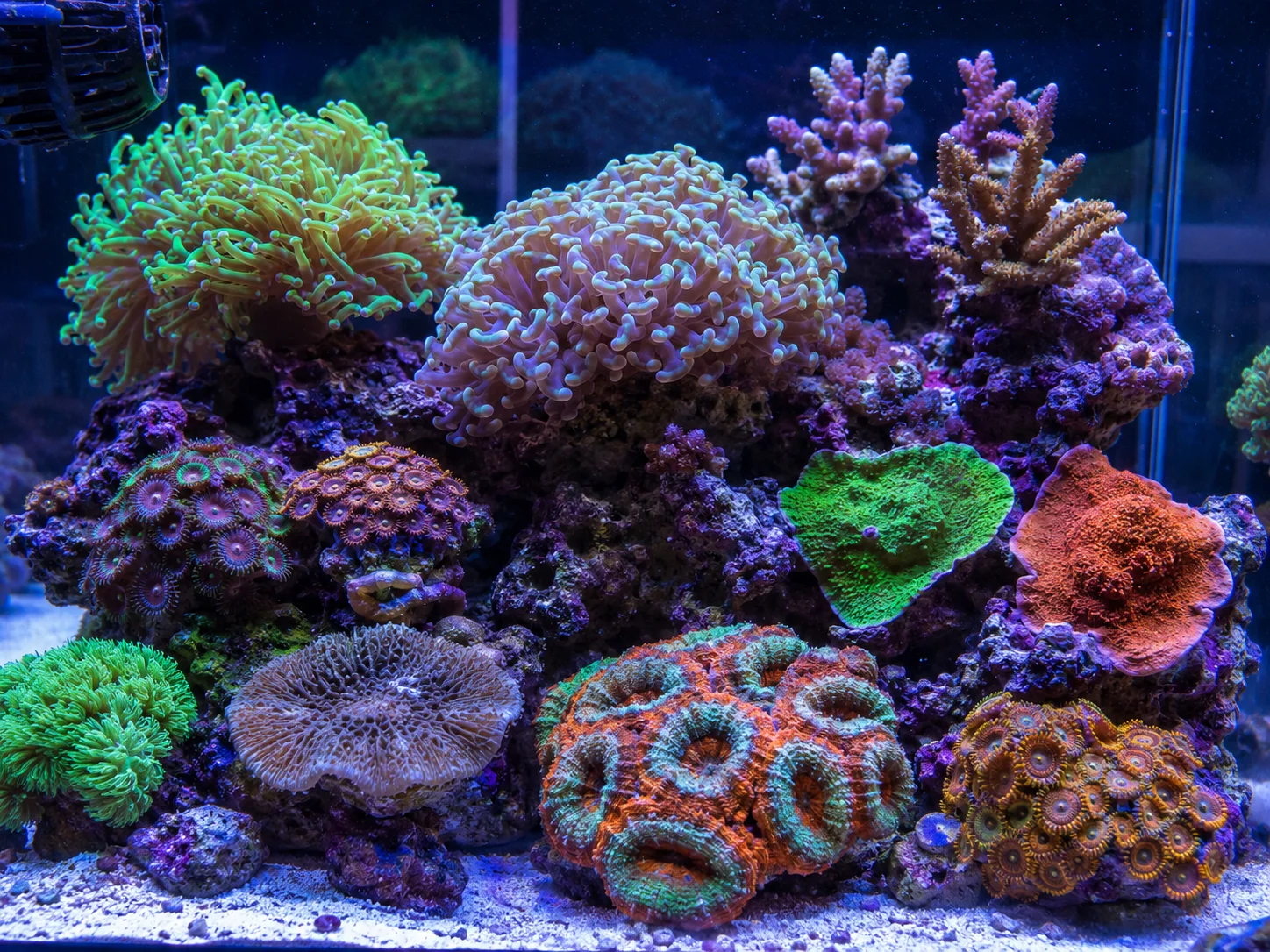
Are you raising marine fish & coral?
Register as a breeder and connect with buyers directly.
Apply as a breederTridacna Clam key facts
- Care level
- Intermediate
- Lifespan
- 10+ years with proper care
- Size
- 5-30cm (varies by species)
- Temperature
- 24〜27℃
- Diet
- Primarily photosynthesis + trace elements
- Lighting
- Strong lighting essential (metal halide or powerful LED)
- Water Quality
- Ca 400-450ppm, KH 7-11 required
- Placement
- Upper tank where light is strongest
- Growth
- Slow but steady growth
- Notes
- Do not forcibly detach byssal threads
About Tridacna Clam
Giant clams belong to the family Tridacnidae and are found across tropical coral reefs of the Indo-Pacific, with species such as Tridacna crocea, T. maxima, and T. squamosa commonly available in the hobby. Historically prized as food, decorative material, and even carved into holy-water fonts in European churches, they carry rich cultural significance. Their defining visual feature is the mantle—a fleshy curtain of electric blues, greens, purples, and golds that differs strikingly between individuals, like living abstract art. Like corals, they harbor symbiotic zooxanthellae that photosynthesize and share nutrients with the host. Peaceful and largely stationary, they suit a "place and admire" keeping style. Provided with strong reef lighting and stable, high-quality water, a well-situated giant clam can thrive for a decade or more as a true centerpiece of the reef aquarium.
7 things to know before welcoming a Tridacna Clam
1Lighting Is Everything
Giant clams derive most of their energy from photosynthesizing zooxanthellae, so powerful LED or T5 lighting with a PAR value above 150 is essential. Insufficient light causes the mantle to fade and the clam to gradually weaken. Aim for 10 to 12 hours of illumination per day.
2Stable Water Quality
Maintain a specific gravity of 1.025–1.026, temperature of 24–26°C, and pH of 8.1–8.3. Stable calcium (400–450 ppm) and alkalinity (8–10 dKH) are directly tied to healthy shell growth. Perform water changes gradually in small increments to avoid sudden parameter swings.
3Choosing the Right Spot
Giant clams anchor themselves to sand or rock with byssal threads. Small species such as Tridacna maxima do well placed on live rock, while larger species are typically set directly on the sandbed. Avoid moving them once established, as relocation causes significant stress — choose the right spot from the start.
4Minimal Feeding Required
Under adequate lighting, photosynthesis supplies most of their nutritional needs and supplemental feeding is generally unnecessary. Phytoplankton naturally present in the water column and trace elements serve as supplementary nutrients. If you do feed, a small dose of liquid phytoplankton is sufficient — excess organics will degrade water quality.
5Tankmate Compatibility
Angelfish and butterflyfish are known to nip at clam mantles and are poor tankmates. Small fish such as gobies and clownfish, along with most corals, coexist without issue. Sea urchins and certain starfish can also damage the mantle, so monitor their interactions carefully.
6Reading Health Signals
A healthy clam extends its mantle fully toward light and displays vibrant coloration. Quickly closing its shell in response to disturbance is also a good sign. A mantle that remains retracted, significant color loss, or erosion along the shell edge indicate deteriorating health — check water parameters immediately.
7Size and Long-Term Commitment
Adult size varies widely by species, from around 5 cm for Tridacna crocea to over 30 cm for Tridacna gigas. Confirm the maximum size before purchasing and ensure your tank can accommodate it. Because giant clams can live more than 10 years under good conditions, plan for long-term equipment investment and ongoing maintenance from the outset.
Frequently asked questions about Tridacna Clam
- Q.Can giant clams be kept with corals?
- A.Yes, giant clams are generally compatible with reef aquariums. However, keep them spaced away from stony corals, as direct contact between sweeper tentacles and the mantle can cause tissue damage to both animals.
- Q.Do giant clams need to be fed?
- A.Under adequate lighting, photosynthesis from zooxanthellae provides most of their nutritional needs, so active feeding is not strictly necessary. They do filter nanoplankton and dissolved organics from the water, but avoid heavy direct feeding as it can degrade water quality.
- Q.Is it abnormal if the mantle stays retracted?
- A.Newly introduced clams often keep their mantle retracted while acclimating, typically opening within a few days to a week. If the mantle remains closed beyond one to two weeks, or shows bleaching and tissue loss, check for insufficient lighting, poor water quality, or fish harassment.
- Q.Are giant clams suitable for beginners?
- A.They are approachable for hobbyists with coral-keeping experience, but the requirements for high-intensity lighting, stable water chemistry, and careful tankmate selection make them challenging for complete beginners. It is advisable to gain experience running a reef tank before adding a giant clam.
- Q.What are signs that a giant clam is dying?
- A.Warning signs include mantle bleaching (loss of color), persistent retraction, a shell that remains gaping and cannot close, and a foul odor from decaying tissue. Early identification of the cause—whether lighting, water quality, or predation—and prompt correction give the best chance of recovery.
Useful tools for Tridacna Clam care
Learn more about Tridacna Clam in the encyclopedia
View Tridacna Clam encyclopedia entry →
Care difficulty, lifespan, size and diet — all basics covered.
More in this category
Can't find the one you're looking for?
Post your wishes for free and breeders with matching animals will contact you with introductions.